5 Essential Tips for First-Time Liquidation Shoppers

Most People Are Shopping Liquidation Stores Wrong
Most first-time shoppers walk into a liquidation store expecting a chaotic mess of broken junk and walk out empty-handed or frustrated. And honestly, that's a fair assumption if nobody ever explained how these places actually work. But here's the reality: with a little preparation, shopping at a discount liquidation store, closeout store, or surplus store can save you serious money on things you actually need, and some people have built entire side businesses buying liquidation items and reselling them for profit.

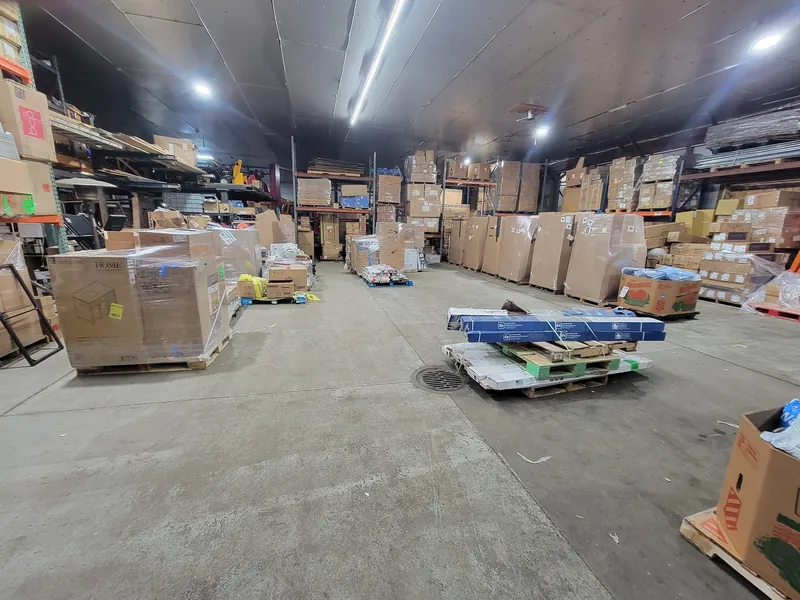
Liquidation stores go by a lot of names. You might search for a bargain store near you, or look up overstock store deals online, or maybe you've seen signs for a closeout sale at a discount outlet store in a strip mall. All of those are basically the same category of retail, just branded differently depending on what the store specializes in or where their inventory comes from. Some focus on returned Amazon goods. Others take in retailer overstock from major chains. A few deal in furniture, appliances, or even groceries. The category is wider than most people realize.
And the category is growing. A lot. More consumers are looking for ways to stretch their budgets, and traditional retail has gotten expensive enough that the idea of buying the same brand-name products at 40% to 70% off is genuinely appealing. That's exactly why directories like Liquidation Store Pal exist, to help people actually find reputable discount retail stores instead of just stumbling into the wrong place and getting burned.
So here's what this article is going to cover: five practical, specific tips that will make your first liquidation shopping trip a lot better than average. Not vague advice. Real stuff you can actually use.
Understanding How Liquidation Stores Actually Work
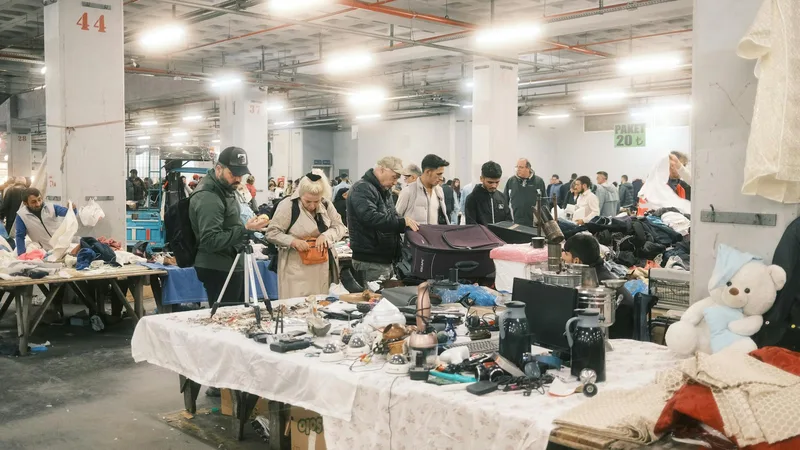
Before any of the tips make sense, you need to understand where the merchandise comes from. A traditional retail store buys products from manufacturers or distributors at wholesale prices, marks them up, and sells them to you at full price. Simple chain. A discount liquidation store or surplus store is basically buying the leftovers from that chain at a steep discount and passing some of that savings along to you.
Those leftovers come from a few different places. Retailer overstock is probably the biggest source, stuff that a Target or Walmart or Home Depot over-ordered and couldn't sell through before the season ended. Store closures generate big lots of product that need to move fast. Customer returns are another huge source, and this is where it gets complicated, because some returns are completely fine and some are missing pieces or have obvious damage. Surplus inventory from manufacturers rounding out a production run also ends up in these stores.
Here's what most first-timers don't expect: the inventory changes constantly. Not weekly. Sometimes daily. A shipment arrives, gets priced and put out, and within a few days half of it is gone. You cannot walk into a discount outlet store on Tuesday and expect the same selection on Saturday. That unpredictability is actually part of what makes it exciting for regulars, but it can feel disorienting if you're expecting a normal shopping experience.
Pricing works differently too. Most of these stores don't use manufacturer suggested retail prices as their baseline. They buy in bulk lots and price by the piece, sometimes using a percentage-off-retail model and sometimes just flat pricing based on what they paid. You'll often see stickers showing the original retail price crossed out, which gives you a quick sense of the discount. Just keep in mind those original prices are self-reported by the store. Most of the time they're accurate, but it's worth knowing that context.
Product condition is the other thing that surprises people. Items might be in original packaging, or they might be loose. They might be tested and verified working, or they might be untested customer returns. Good stores label this clearly. Not all stores do. That's why inspection matters, which we'll get into in a minute.
Liquidation shopping is not a replacement for traditional retail if you need something specific on a specific date. It rewards flexible shoppers who can adapt to what's available. Go in with a general wish list, not a hard requirement.
Tip 1: Do Your Research Before You Even Leave the House
This is the step that separates people who consistently find great deals from people who waste an afternoon driving to a sketchy warehouse that turned out to be closed on Tuesdays. Research matters more here than it does with traditional retail, because the quality and honesty of liquidation stores varies enormously from one place to the next.
Start with a directory. Liquidation Store Pal lists 247 businesses, with an average rating of 4.3 stars across all listed locations. That average is actually pretty encouraging, it means most of these places are legitimately good, but it also means some aren't. Before you search for liquidation sales near me on Google and just click the first result, take a few minutes to read actual customer reviews on a verified directory. You want to know if a store is honest about product conditions, if pricing is fair, and if staff are helpful. Those three things come up over and over in reviews at the better stores.
Call ahead. This sounds obvious and almost nobody does it. A quick two-minute phone call can tell you whether the store got a new shipment recently, what categories are in stock right now, and whether they have anything in the specific area you're looking for, like tools, furniture, or kitchen appliances. Some stores are also happy to tell you when their busiest shipment days are, which lets you plan your visit for when selection is freshest. Staff at places like A&R Legendary Sales in Delta, Ohio (a perfect 5.0 stars across 114 reviews) are exactly the kind of people who will actually answer that call and give you a useful answer.
Check social media too. A lot of these smaller discount retail stores post photos of new shipments on Facebook or Instagram almost in real time. Following a few local stores means you'll sometimes see a photo of exactly what you're looking for getting unloaded off a truck and you can be there the same day.
And if you're someone who also shops for discounted food and grocery items, it's worth knowing that the same research approach applies to salvage grocery stores, which operate on similar principles. You can browse salvage grocery options in your area to see what's available near you before making a trip.
Tip 2: Inspect Everything Like You're Getting Paid To Find Problems
No, seriously. Every item.
First-time shoppers at a bargain store or closeout store often get excited by the prices and stop looking closely at the actual product. That's how you end up with a blender that's missing the blade assembly, a jacket with a broken zipper, or a box of cereal that expired eight months ago. The savings disappear fast when you buy something you can't use.
There are a few different condition categories you'll run into at most liquidation stores. Shelf-pulls are items that were on a retail store's shelves but never sold, usually these are in great shape, maybe a little dusty or with some shelf wear on the packaging. Open-box means someone bought it, opened it, and returned it, which could mean it was barely touched or could mean it was used for six months before the return window closed. Customer returns are the wildcard category, the condition varies the most and the reason for the return is often unknown. Some stores mark these clearly. When they don't, assume the worst and inspect accordingly.
Bring a phone charger if you're looking at electronics. A small USB cable and a charging brick take up almost no space in a bag and will let you confirm a phone or tablet powers on before you buy it. For appliances, ask if there's a test outlet available. Many of the better stores have one somewhere near the register for exactly this purpose. For clothing, check for stains under the arms and along collar lines, and check that all buttons and zippers work. For anything with batteries, check the battery compartment for corrosion.
Expiration dates on food, supplements, cleaning products, and beauty items need a look every single time. Surplus stores sometimes carry items that are close to or past their best-by dates, which matters a lot for some products and not at all for others (canned goods versus medication, for example, are very different situations).
One thing worth checking that most guides skip: look at the bottom of boxes. Damage often shows up there first, and a crushed corner can mean the product inside took an impact. Not always a dealbreaker, but worth knowing before you commit.
Phone charger or short USB cable for testing electronics. A small flashlight (your phone works fine) for checking inside appliances or dark corners of boxes. A shopping list written out before you leave. And cash if you can manage it, more on that in the next section.
Tip 3: Set a Budget and Treat It Like It's Not Negotiable
Low prices are dangerous. Not in a dramatic way, just in the "I came in for a coffee maker and left with seventeen things I didn't plan to buy" way that is very easy to do at a buy liquidation items kind of store.
In practice, the psychology here is well-documented. When something is marked 60% off retail, your brain codes it as a win even if you didn't need the thing at all. Multiply that feeling by a hundred products spread across a warehouse floor and you can see how a $40 budget turns into $140 before you've made it to the back of the store. Bargain stores specifically, and overstock stores in general, are designed (whether intentionally or not) to create this effect. Typically, the deals feel urgent because the inventory changes. You start to feel like if you don't grab something now, it'll be gone tomorrow. And sometimes that's true. But often it is not.
Write a list before you go. Not a vague "I need some kitchen stuff" list. A specific list: kitchen trash can, bath towels if under $8 each, power strip. Give yourself a "if I see it" category for a couple of items you'd like but don't need urgently, and give that category a hard dollar cap.
Cash works better than cards here. There's something about physically counting out bills that creates a natural brake on spending. Once the cash is gone, the trip is over. Cards make it too easy to go "just a little over" five or six times until you're significantly over budget. I would pick cash over cards every time for this kind of shopping trip.
Some people also find it helpful to do a full loop of the store before putting anything in a cart. See everything first, note what you actually want, then go back and get the things that made the list. That one habit alone prevents a lot of impulse buys.
Tip 4: Know the Return Policy Before You Hand Over Money
This is genuinely the most important tip for avoiding regret, and it's the one most first-time shoppers skip entirely.
Many discount liquidation stores, closeout stores, and similar formats sell items as-is with absolutely no returns. Not "no returns without a receipt." No returns, period. You buy it, you own it. For some categories, like shelf-pull household goods that you can inspect fully before buying, this is fine. For electronics and appliances, it matters a lot, because even a thorough inspection doesn't guarantee something works correctly once you get it home and actually use it.
Ask the question directly before you buy anything expensive. "What is your return policy on this item?" Not a rude question. A normal one. Staff at good stores will answer clearly. If someone hedges or gives you a vague answer, treat that as useful information about how a potential dispute might go.
Warranty coverage is the follow-up question. Some items at these stores still have valid manufacturer warranties, especially shelf-pulls that are relatively recent. Some do not. Some electronics sold in open-box condition have been registered already by the original buyer and the warranty is no longer transferable. Knowing this before you pay is better than finding out when you're trying to get something repaired.
Ask whether the item comes with original packaging if that matters to you. For some electronics, the original box has cables, documentation, and mounting hardware that you'd have to buy separately otherwise. Stores sometimes have the box but keep it in a back room. Worth asking.
Policies vary significantly across these stores. Woocky Wholesale in Omaha, Nebraska and Ohio Wholesale Liquidation Services in Columbus, Ohio (both sitting at perfect 5.0 ratings) tend to be transparent about their policies because their reputation depends on it. Smaller, less-reviewed operations might not be. This is another reason why reading directory reviews before you visit actually saves time.
Tip 5: Shop Consistently and Get to Know the Staff
As a rule, the regulars at a good liquidation store or surplus store are there for a reason. Consistent shopping is how you actually find the best stuff, because the best stuff moves fast and doesn't wait for occasional visitors.
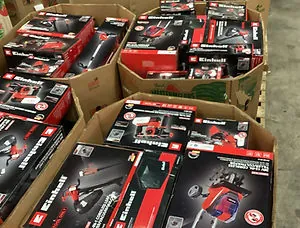
Inventory turnover at these places is genuinely unpredictable. A pallet of premium tools might come in on a Wednesday. By Friday it's half gone. By the following Monday someone got the last piece. If you're only going once a month, you're seeing the leftovers of the leftovers. Visiting every week or two changes your odds dramatically, especially if you're looking for specific categories like furniture, electronics, or tools.
Getting to know store staff is underrated as a strategy. These aren't faceless corporate employees; at most liquidation stores they know their regular customers, and they know what people are looking for. If you mention to someone at the register that you're always on the lookout for power tools, there's a real chance they'll remember that when the next tool pallet comes in. Some stores will literally hold items for regular customers or give them a heads-up before something gets put out. That's not a formal policy anywhere, it's just the natural result of being a real person instead of a stranger who walks in once.
Sign up for newsletters if the store has them. Follow them on Facebook. A lot of smaller surplus stores post photos of new arrivals, announce special sales, or let followers know about upcoming liquidation events. Haus Origins Furniture Liquidation Outlet in Vineyard, Utah (5.0 stars, 22 reviews) is a good example of a specialty store where staying connected through their social channels would absolutely pay off for someone in the market for furniture.
Peak Stack Wholesale in Round Rock, Texas has 23 reviews and a perfect rating, which is the kind of track record that comes from repeat customers who trust the place. That trust gets built over multiple visits, not one.
Liquidation Shopping by the Numbers
Numbers are useful here because they tell you something about how real and widespread this category has become. Liquidation Store Pal currently lists 247 businesses across multiple cities, with an average star rating of 4.3 across all of them. That is a meaningful number, because it means the typical listed store is genuinely good, not a marginal or questionable operation.
| Business Name | Location | Rating | Reviews |
|---|---|---|---|
| A&R Legendary Sales - Pallet Liquidation | Delta, OH | 5.0 ★ | 114 |
| Woocky Wholesale | Omaha, NE | 5.0 ★ | 60 |
| Ohio Wholesale Liquidation Services | Columbus, OH | 5.0 ★ | 34 |
| Peak Stack Wholesale | Round Rock, TX | 5.0 ★ | 23 |
| Haus Origins Furniture Liquidation Outlet | Vineyard, UT | 5.0 ★ | 22 |
Top cities in the directory right now include Phoenix with 4 listings, New Castle and Atlanta each with 3, and South Gate and St. Peters each with 2. That spread across different regions, from Ohio to Texas to Utah to Georgia, shows that this isn't a regional trend limited to one corner of the country. People everywhere are buying liquidation items and finding value in it.
A&R Legendary Sales in Delta, Ohio has 114 reviews at a perfect 5.0, which is a genuinely impressive track record. For context, most traditional retail stores don't get anywhere near that number of Google reviews, let alone a perfect score across all of them. That kind of consistency tells you something about how they operate.
If you're new to this and not sure where to begin, start with the directory. Filter by city, check the ratings, read a few reviews, and pick one or two places to try first. You don't have to commit to any single store. Try a few over a month or two and see which ones feel honest and have inventory you care about.
What This Means For You
Liquidation shopping done right is genuinely one of the better ways to save money on things you were going to buy anyway. Done carelessly, it's a way to fill your house with stuff you didn't need and can't return. For most shoppers, the difference between those two outcomes is almost entirely preparation.
Research the stores before you go. Use a directory with real ratings. Inspect everything before it goes in your cart. Set a firm budget, write a list, and bring cash. Ask about return policies on anything expensive. And then go back regularly, meet the staff, and treat it as an ongoing relationship rather than a one-time experiment.
Most five tips in this article aren't complicated. But most first-time shoppers at a discount liquidation store skip two or three of them and wonder why the experience was disappointing. Follow them all, even the boring-sounding ones like "call ahead" and "ask about the return policy," and your results will be noticeably better from your very first visit.
What is the difference between a liquidation store and a thrift store?
Thrift stores typically sell donated goods, often used items from individual households. Liquidation stores sell excess or returned merchandise from retailers and manufacturers. Liquidation inventory is often brand new or like new, while thrift store items are almost always pre-owned. Pricing models are also different: thrift stores price individually by donation, while liquidation stores buy in bulk lots and price accordingly.