Benefits of Shopping at Bargain Stores Explained
Why So Many Shoppers Are Rethinking Where They Buy
Picture this: someone walks past a discount liquidation store, glances at the hand-painted sign in the window, and keeps moving. They assume the stuff inside must be damaged, out of date, or just not worth the hassle. Maybe that sounds familiar. But here's the actual situation: that same store might be selling the exact same brand-name kitchen appliances, power tools, or clothing that a big-box retailer had sitting in a warehouse too long, and they're moving it at 40, 50, sometimes 70 percent off original retail price. The assumption was wrong. And it's costing people real money every week.

Bargain stores go by a lot of names. You might search for a closeout store in one city, an overstock store in another, or just type "liquidation sales near me" into your phone and see what pops up. Surplus store, discount outlet store, discount retail store, all of these generally describe the same kind of place: a shop that buys excess, returned, or surplus inventory from major retailers and manufacturers, then sells it to regular shoppers at a steep discount. Different names, same basic idea. And consumer interest in this kind of shopping has grown a lot in recent years, driven by tighter household budgets, a general tiredness with paying full price, and honestly, the thrill of finding something great for almost nothing.
This article covers the real financial benefits of shopping this way, what the business model actually looks like, the environmental upside that most people don't think about, and some practical tips for getting the most out of every visit. There's also real data from the Liquidation Store Pal directory, including ratings and city-level information, woven in throughout.
What a Bargain Store Actually Is and How the Business Model Works
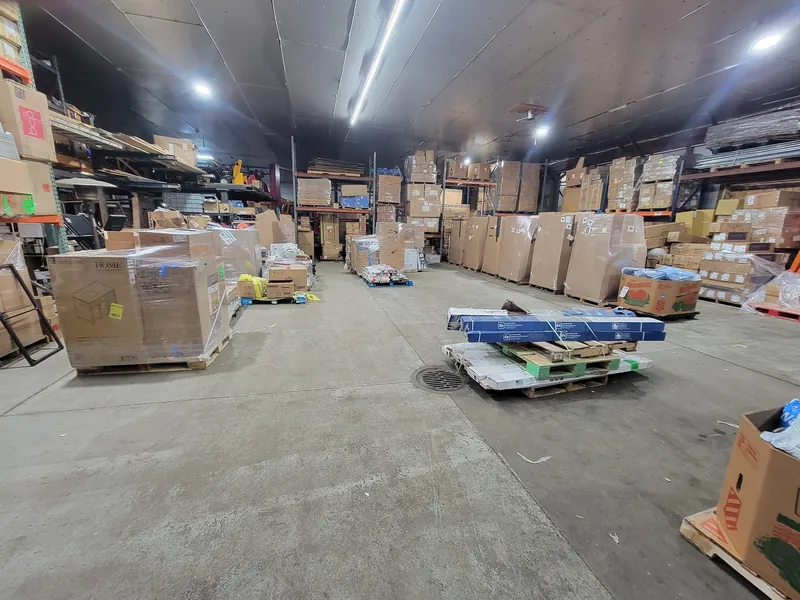
Most people have a fuzzy understanding of where liquidation merchandise comes from, and that fuzziness is part of why the stigma sticks. Here's the cleaner picture. Major retailers, big manufacturers, and online sellers regularly end up with inventory they can't or won't sell at full price. That could be seasonal overstock that didn't move, customer returns that are perfectly functional but can't go back on the shelf as "new," shelf pulls when a store remodels, or surplus stock from a product line that's being discontinued. All of that merchandise has to go somewhere.
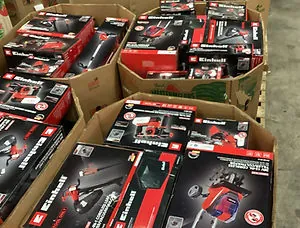
Liquidation businesses buy that inventory, usually in pallets or truckloads, at deeply reduced prices. Then they sort it, sometimes inspect and test it, and put it out for shoppers at their stores. Because their acquisition cost is low, they can sell at prices that traditional retailers simply cannot match. That's the whole engine running under the hood of every discount outlet store you've ever seen.
Now, not every store operates exactly the same way. Some focus almost entirely on customer returns, which means you might find open-box electronics or a blender with a small scratch on the base that works perfectly fine. Others deal primarily in true overstock, goods that were never opened, never returned, just sitting in a warehouse. And some mix both, along with surplus items from restaurant supply chains, hotel closeouts, or manufacturer seconds. Walking into one for the first time, you genuinely don't know what you'll find, and honestly, that's part of what makes it interesting.
One thing worth clearing up: "discount" does not mean "broken." A lot of people conflate the two, and it's a mistake. Some products at these stores are absolutely flawless. Others might have cosmetic damage, like a dented box or a minor scratch, while the product inside functions exactly as it should. A good surplus store will usually indicate which products have been inspected and which are sold as-is.
Inventory at bargain and liquidation stores changes constantly. What's on the shelf today might be gone tomorrow, and something completely different takes its place. Go in with an open mind about product categories, and plan to spend a bit more time looking than you would at a regular retail store. The browsing is part of the experience.

The Real Financial Benefits: Numbers That Actually Matter
Let's talk money, because that's usually why people get interested in these places to begin with.
Savings at a legitimate bargain store typically range from 30 percent to 80 percent off original retail prices, depending on the category and how the store acquired the merchandise. Electronics and appliances often sit in that 40-60 percent range. Clothing and home goods can go even deeper. Tools, furniture, cleaning supplies, seasonal decorations, all of it shows up at these stores, and all of it is cheaper than what you'd pay at a traditional retailer.
What people don't always think about is how those savings compound. If you're buying household goods, cleaning products, small appliances, and clothing all from the same store, and each item is 50 percent off, you've effectively cut your household spending in half on those categories. Over a year, that adds up to a meaningful amount of money. Not a rounding error. Real money back in your pocket.
Product variety is genuinely wide at most of these stores. In one visit to a well-stocked closeout store, you might walk out with a name-brand coffee maker, a set of dish towels, a pair of work boots, and a bag of light bulbs, all at a fraction of what they'd cost at a department store. Across 13 businesses listed in the Liquidation Store Pal directory, average customer ratings sit at 4.1 stars, which is not a number you'd expect if these stores were delivering a mediocre experience. Shoppers are satisfied. That number reflects real visits, real purchases, real opinions.
A 4.1-star average across a directory of stores spanning multiple states is actually a strong signal. It's not the inflated rating you see on a product page where the manufacturer controls the reviews. These are independent customer ratings from people who drove to the store, browsed the shelves, and came home with something. Or didn't, and said so. That context matters.
And if you're someone who also watches the grocery budget closely, it's worth knowing that a similar approach, buying surplus and salvage goods, applies in the food world too. Sites like Salvage Grocery Stores list places where you can find discounted pantry staples, canned goods, and packaged food from the same kind of overstock and closeout sourcing. In practice, the savings philosophy transfers well across categories.
A Look at Real Stores and Real Data
Data is more useful than vague praise, so here's what the Liquidation Store Pal directory actually shows.
Right now, 13 liquidation and bargain stores are listed across five cities: Columbus, Dothan, Elkville, Indianapolis, and Anniston. These aren't temporary operations or pop-up tents in a parking lot. These are established businesses with physical addresses, customer reviews, and ongoing reputations to maintain. That's an important distinction, because one of the most common hesitations people express about buying liquidation items is that they don't know if the store will still be there next month.
| Business Name | Location | Rating | Reviews |
|---|---|---|---|
| Ohio Wholesale Liquidation Services | Columbus, OH | 5.0 ★ | 34 |
| KAPS Wholesale Liquidators, LLC | West Monroe, LA | 5.0 ★ | 1 |
| Southern Illinois Liquidation Outlet | Elkville, IL | 4.8 ★ | 15 |
| Uniontown Liquidation Outlet | Uniontown, PA | 4.7 ★ | 18 |
| The Liquidation Warehouse | South Houston, TX | 4.5 ★ | 52 |
Ohio Wholesale Liquidation Services in Columbus holds a perfect 5.0 stars across 34 reviews. Thirty-four reviews is enough of a sample to take seriously. Southern Illinois Liquidation Outlet in Elkville comes in at 4.8 stars with 15 reviews. Uniontown Liquidation Outlet sits at 4.7 across 18 reviews. And The Liquidation Warehouse in South Houston, which has the largest review count in the directory at 52, still holds a 4.5 rating. That's impressive. Getting 52 people to leave a review and still averaging above 4.5 is not easy. Clearly, people are having good experiences at these stores and feeling motivated enough to say so publicly.
Forty-two people gave Ohio Wholesale a perfect score. Okay, that's an extrapolation, but the point stands. These aren't fly-by-night operations. They're community businesses with track records.
The Environmental Angle Nobody Talks About Enough
Here's something that often gets left out of the conversation about bargain and closeout stores: buying this way is genuinely good for the environment.
Every year, massive amounts of perfectly usable merchandise get destroyed, thrown away, or buried in landfills because retailers couldn't sell it at full price and didn't have a better option. Some companies have made headlines for shredding unsold clothing. Others incinerate electronics. Typically, the scale of this waste is enormous and mostly invisible to regular shoppers who never see what happens behind the scenes at major distribution centers.
When a discount liquidation store buys that inventory instead, those products get a second chance. They go to someone's kitchen, garage, or closet instead of a landfill. That's a genuinely circular outcome. Shoppers get a deal, the original retailer recovers some value from inventory they'd otherwise write off, and the planet doesn't absorb another pile of functional goods turned into garbage.
For shoppers who care about their environmental footprint, this is actually one of the most direct actions available. You don't need to buy organic or spend extra on eco-labeled products. Just buying liquidation items instead of new retail stock reduces demand for fresh manufacturing and keeps existing goods in use longer. That's the straightforward version of what sustainability looks like in everyday shopping.
And it's not just about the products themselves. Manufacturers and retailers who can reliably offload surplus through the liquidation channel are less likely to destroy it. As a rule, the market for these stores creates an incentive to route goods toward resale rather than disposal. So shopping at a surplus store has a broader effect than just the individual purchase.
Shopping at overstock and closeout stores is one of the most accessible ways to reduce consumer waste. No special certifications required. Just show up, find something useful, and pay less than you would anywhere else. For most shoppers, the environmental benefit is built into the business model.
Tips for Getting the Most Out of Every Visit
First visit tips aren't complicated, but they do make a difference.
Go often. Seriously. Inventory at these stores turns over fast, sometimes weekly, sometimes even faster depending on what pallets came in. A store that had nothing interesting three weeks ago might have a full shipment of name-brand cookware today. People who find the best deals are almost always the ones who visit regularly rather than treating it as a one-time errand.
Arrive early when you can. Most first shoppers of the day get first pick, and at a popular discount outlet store, that genuinely matters. Good items move quickly. Afternoons on weekends can get picked over.
Inspect before you buy. Not everything at a liquidation store is in perfect shape, and that's fine as long as you know what you're getting. Check that electronics power on if the store allows it. Look for cracks, missing parts, or damage that would affect usability. A small cosmetic scratch is usually worth the discount. A cracked hinge on a tool handle probably isn't.
Ask about return policies before you commit to a larger purchase. Return policies at these stores vary a lot. Some offer no returns at all, especially on as-is merchandise. Others have a window of a few days. Knowing this upfront saves frustration later.
Use the Liquidation Store Pal directory to find stores near you and check their ratings before you drive out. A quick look at reviews can tell you a lot: whether the store is clean, how staff treats customers, whether pricing is fair, and whether the product mix is worth your time. Reading a handful of reviews for a place like The Liquidation Warehouse in South Houston, 52 reviews, 4.5 stars, gives you a pretty reliable picture of what to expect. You can also browse similar discount-focused directories, like checking out salvage grocery options in your area if you want to extend the savings mentality into your weekly food shopping too.
Set a budget and bring cash if the store accepts it. It's surprisingly easy to load up a cart at these places because everything feels like a deal. Having a firm number in mind keeps you from accidentally spending more than you saved.
Keeping an open mind about product categories is probably the most underrated tip of all. Going in specifically hunting for one item often leads to disappointment because inventory is unpredictable. Going in curious about what's there almost always leads to finding something worthwhile.
Frequently Asked Questions
What is the difference between a liquidation store, a closeout store, and an overstock store?
These terms overlap a lot in practice, and most stores that use one label could reasonably use another. A liquidation store typically refers to a place that buys large lots of merchandise from retailers or manufacturers that need to quickly move inventory, often because of bankruptcy, discontinuation, or seasonal clearance. A closeout store usually focuses on end-of-line products, things a manufacturer is no longer making. An overstock store deals primarily in excess inventory that retailers ordered too much of. In real life, most discount retail stores in this category carry a mix of all three types of merchandise. These labels are more about marketing than strict categories. All of them offer deep discounts compared to traditional retail.
Are products at bargain stores lower quality than what you'd find at a regular retailer?
Not inherently, no. A lot of what ends up at these stores is perfectly functional merchandise that simply couldn't be sold at full retail for logistical or business reasons. Overstock goods were never opened. Many customer returns work fine. That said, some items at bargain stores are sold as-is and may have cosmetic damage or missing packaging. Generally, the key is to inspect items before buying and understand what the store's condition descriptions mean. A 4.1-star average rating across the stores in the Liquidation Store Pal directory suggests that most customers are happy with what they're getting, which is a reasonable indicator of overall quality.
How do I find a good liquidation or surplus store near me?
Directories like Liquidation Store Pal are built specifically for this. Search by city, check ratings, and read a few recent reviews to get a feel for what a particular store is like. If you're searching on your own, terms like "liquidation sales near me," "closeout store," "surplus store," or "discount outlet store" will usually surface local options. Once you find a few candidates, look at their review counts alongside their ratings. A store with 50 reviews at 4.5 stars is a more reliable choice than one with 2 reviews at 5.0 stars.
Can I resell items I buy at liquidation stores?
Yes, many people do exactly that. Buying liquidation items in bulk and reselling them on platforms like eBay, Facebook Marketplace, or at flea markets is a legitimate small business model. Some stores cater specifically to resellers and sell merchandise by the pallet. If reselling is your goal, look for stores that offer wholesale or bulk buying options, and make sure you understand what the return rate on opened or returned goods typically looks like before investing heavily in a particular category.
What kinds of products can I expect to find at a discount outlet store?
In practice, the range is genuinely wide. Household goods, cleaning supplies, small and large appliances, clothing and shoes, tools, hardware, sporting goods, toys, electronics, furniture, and food-adjacent products like cookware and storage containers all show up regularly. What's available on any given day depends entirely on what pallets or lots the store recently acquired. That unpredictability is part of the appeal for regular shoppers, and part of the frustration for people who want a guaranteed selection. If you're looking for something specific, calling ahead or visiting the store's social media page (if they have one) can give you a sense of recent inventory.
More Ways to Save
Find a Bargain Store Near You
Browse our directory of 13 listed liquidation, closeout, and surplus stores across multiple cities. Real ratings, real reviews, real savings waiting.
Search the Directory