Clearance Outlets Sell Discontinued Products, Not Damaged Ones — Here's the Difference
Someone walks into a clearance outlet for the first time, picks up a perfectly good blender still in its original box, and immediately flips it over looking for cracks or missing parts. They assume something must be wrong with it. Why else would it be this cheap? They put it back down and leave empty-handed, which is honestly a shame, because that blender was probably just the last two units of a color the manufacturer stopped making.

That misunderstanding costs people real money. Clearance outlets operate on a completely different logic than surplus stores or salvage shops, and once you get that straight, these places start to make a lot more sense.
What a Clearance Outlet Actually Sells
Clearance outlets exist to move products that retailers or manufacturers need off their books. Not broken things. Not returned things. Products that are discontinued, end-of-season, overstocked, or simply being replaced by a newer version.
Think about what happens when a shoe brand retires a colorway, or when a kitchen appliance company releases a new model. The old stock does not disappear. It gets funneled somewhere, and clearance outlets are often that somewhere. You might find a 55-inch TV that retailed for $700 sitting on a shelf for $310, not because it's defective, but because the store that originally ordered it went out of business or the product line got discontinued mid-season.
Honestly, the pricing can feel almost suspicious at first. But the economics are straightforward: the seller paid very little to acquire the inventory, so the margin works even at steep discounts.
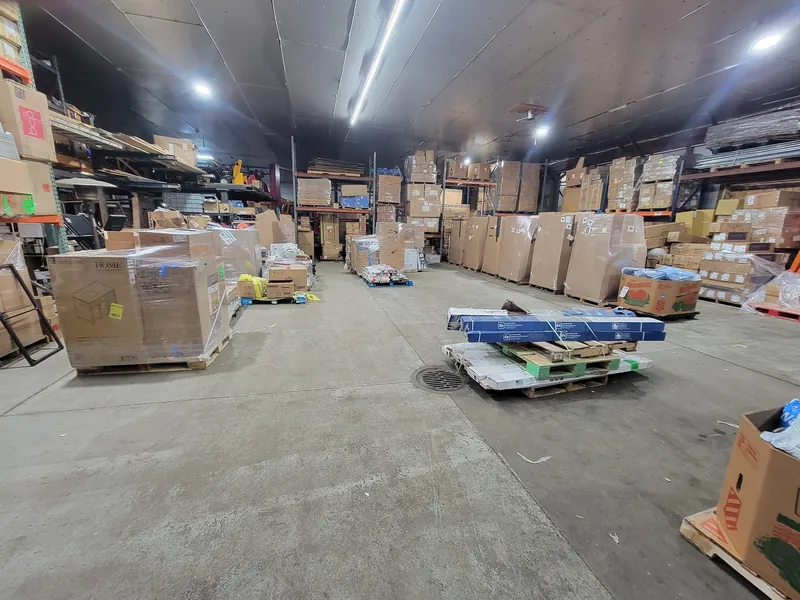
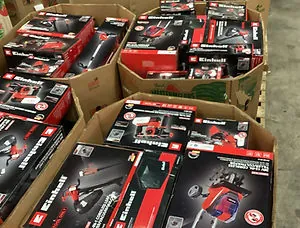
Walking into one for the first time, the variety can catch you off guard. Appliances next to bedding next to power tools. That is not disorganization; it reflects whatever the outlet sourced that week. Inventory rotates fast, sometimes within days.
How Clearance Outlets Differ From Similar Store Types
People mix up clearance outlets with liquidation stores, thrift stores, and outlet malls constantly. They're related but not the same thing.
A liquidation store typically buys bulk lots, often mixed manifests from Amazon returns or department store overstock. You get a wider range of conditions, from open-box to brand new. A thrift store sells donated secondhand goods. An outlet mall sells brand-overstock directly from the manufacturer, usually in a dedicated retail space with polished fixtures and full staff.
Clearance outlets sit in their own category. They focus specifically on last-chance merchandise, products that are being permanently retired from regular retail. The condition is almost always new or near-new, but do not expect the store itself to look like a mall shop. Fluorescent lighting, metal shelving, handwritten price tags, that's standard. In practice, the experience is more warehouse than boutique.
And that's fine. Better than fine, actually.
Because these products are genuinely new, you usually still get manufacturer warranties on electronics and appliances. That's a meaningful difference from buying salvage or thrift. Worth asking the staff before you buy, but in most cases the warranty transfers.
What to Expect When You Visit
Prices are not always tagged the way you'd expect. Some clearance outlets use color-coded stickers, some use percentage-off signs hung over sections, and some have items with no visible price at all until you ask or scan a barcode. Bring your phone. Scanning barcodes with a retail price-check app takes about ten seconds and can tell you immediately what the item sold for originally.
Inventory at these places moves unpredictably. A clearance outlet that had three shelves of Cuisinart coffee makers last Tuesday might have zero this Saturday and a pile of Shark vacuums instead. Going in with a strict shopping list is a recipe for frustration. Going in with a flexible idea of what you need works much better.
Wait, that's not quite right to say "flexible idea" and leave it there. Be specific about category but loose about brand. If you need a stand mixer, keep that in mind. But don't go in committed to a specific model, because it will not be there.
Liquidation Store Pal has 247+ verified listings across store types, and clearance outlets consistently pull some of the stronger ratings, sitting right around that 4.3-star average. Part of that is because expectations are usually correct when people know what they're walking into.
One practical thing: check the return policy before you buy anything. Clearance outlets vary widely here. Some offer full returns within 30 days. Others are final sale only. It's printed somewhere near the register in most stores, but the staff will also just tell you if you ask directly.
Where Clearance Outlets Make the Most Sense for Shoppers
For everyday staples, a grocery store beats a clearance outlet every time. But for durable goods, appliances, tools, housewares, electronics, seasonal items, clearance outlets are genuinely hard to beat on price for new merchandise.
Big-ticket items are where the math really tilts in your favor. Saving $200 on a discontinued but fully functional stand mixer matters more than saving $4 on a dish towel. Focus your time on the higher-value sections of the store.
First-time buyers sometimes overlook the seasonal sections. Clearance outlets often get large shipments of holiday décor, summer furniture, or winter gear at exactly the wrong time of year, which drives prices down even further. Buying patio furniture in October from a clearance outlet and storing it until spring is a completely reasonable strategy. I would pick that over paying full retail in May every time.
Some of the best finds are products you did not know you needed until you saw the price. A $40 slow cooker. A $15 set of steak knives still in the original packaging. That blender from the beginning of this article, which someone else probably bought after you walked away.
- Check condition carefully but do not assume something is wrong just because it's cheap.
- Ask about warranties on electronics and appliances before paying.
- Confirm the return policy at the register, especially for big purchases.
- Go in with a category in mind, not a specific product.
- Bring a phone for quick price comparisons on unfamiliar brands.
Clearance outlets reward the shopper who is a little patient and a little flexible. Show up with both, and you'll do well.