Closeout Stores Are Worth More Than You Think (And You're Probably Shopping Them Wrong)
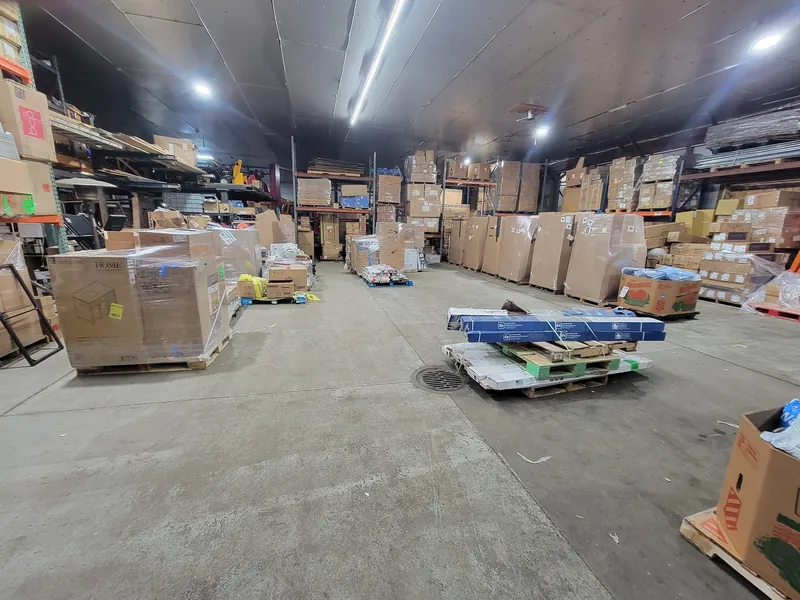
Most people walk into a closeout store expecting chaos, mystery boxes, and broken junk, and then they're surprised to find name-brand housewares, untouched electronics still in original packaging, and furniture that retails for three times what the price tag says. That surprise shouldn't exist. Discount liquidation stores, overstock stores, bargain stores, surplus stores, whatever your local one calls itself, are a genuinely solid way to shop if you know what you're doing. And most people do not know what they're doing in there.

This article breaks down the myths that keep people from getting real value at a liquidation or surplus store, explains how these places actually work behind the scenes, shares real directory data on where the best-rated stores are, and gives you the practical tactics that make a difference. No fluff. Just what you need to stop leaving money on the table every time you walk through those doors.
Myth #1: Liquidation Stores Only Sell Damaged or Defective Merchandise
This is probably the biggest reason people avoid closeout shopping entirely, and it's just not accurate. Here's what actually ends up on these shelves: overstock from major retailers that ordered too much and needed to clear space, shelf pulls that were never even opened, customer returns that were tried once and sent back in perfect condition, and discontinued product lines that factories cleared out because they're moving to a new model. Damaged goods exist, yes, but they're one slice of a much bigger pie.
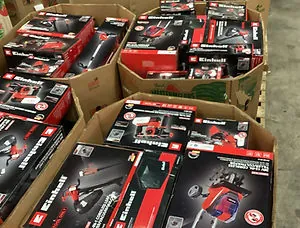
Think about what happens when a big-box retailer over-orders seasonal inventory. They can't hold it all forever. So they sell it in bulk to liquidators, who then break it into smaller lots or individual items and put it on the floor. That garden furniture marked down 60% at your local surplus store? It was probably just sitting in a warehouse because a major chain bought too much of it in spring. Nothing wrong with it at all.
A&R Legendary Sales, a pallet liquidation operation out of Delta, Ohio, holds a perfect 5.0-star rating across 114 reviews. That's not the kind of feedback a store selling broken junk gets. Same with Woocky Wholesale in Omaha, Nebraska, 5.0 stars, 60 reviews. People are not handing out five stars to places that sell them unusable merchandise.
Now, some items will have cosmetic damage or missing original packaging. That's real and you should factor it in. But going in expecting everything to be defective is the wrong mental model. Go in expecting a mix, and you'll find deals you'd never get at a traditional retail store.
Good store staff will often tell you where a particular batch of inventory came from. Asking "is this customer return or overstock?" takes five seconds and tells you a lot about what condition to expect on the products you're buying.
Myth #2: You Can't Find Good Deals Without Knowing Someone on the Inside
People seem to think there's some secret handshake involved in getting the good stuff. Like the real deals are in a back room and you need to be a regular to access them. That's mostly wrong, though frequency does help, I'll get to that in a minute.
Finding a solid discount liquidation store near you is actually pretty straightforward now. Directories like Liquidation Store Pal list 247 businesses across multiple cities, with ratings and often inventory categories. Searching "liquidation sales near me" or "discount outlet store" in Google will surface a mix of chains and local independents. Community boards, local Facebook groups, and even Nextdoor often have people posting about new stores or sales events.
Geographic reach is broader than most people expect. According to the Liquidation Store Pal directory, Phoenix leads with 4 listings, followed by New Castle and Atlanta with 3 each, then South Gate and St. Peters with 2 each. And those are just the top cities, there are 247 listings spread across the country, which means most metro areas have at least one option within reasonable driving distance. Closeout retail isn't some regional specialty; it's genuinely nationwide.
Okay, back to the frequency thing. Visiting regularly does matter, not because of secret inventory, but because stock rotates fast. A good discount retail store doesn't have the same stuff week to week. If you go once and don't find what you wanted, that doesn't mean it isn't there. It might show up next Tuesday. Following store social media accounts or signing up for text alerts (some stores offer this) is a better strategy than assuming one visit tells the whole story.
And if you're also trying to stretch your food budget, it's worth knowing that similar supply chain dynamics apply to grocery, you can browse salvage grocery options in your area the same way you'd search for a liquidation store, and often find deeply discounted packaged goods from the same overstock and surplus systems.
Myth #3: The Ratings Are Too Low to Trust These Stores
Some people assume that discount stores, because of the nature of the product mix, would naturally have mediocre reviews. The actual data says otherwise.
Across 247 listings in the Liquidation Store Pal directory, the average customer rating sits at 4.3 out of 5 stars. That's not a participation trophy score, that's genuinely strong performance. For context, many sit-down restaurants and service businesses hover around 4.0 to 4.2. At 4.3, these stores are beating a lot of traditional retail categories on customer satisfaction.
Five stores in the directory hold a perfect 5.0 rating:
| Business Name | Location | Rating | Reviews |
|---|---|---|---|
| A&R Legendary Sales - Pallet Liquidation | Delta, OH | 5.0 ★ | 114 |
| Woocky Wholesale | Omaha, NE | 5.0 ★ | 60 |
| Ohio Wholesale Liquidation Services | Columbus, OH | 5.0 ★ | 34 |
| Peak Stack Wholesale | Round Rock, TX | 5.0 ★ | 23 |
| Haus Origins Furniture Liquidation Outlet | Vineyard, UT | 5.0 ★ | 22 |
A&R Legendary Sales with 114 reviews at 5.0 stars is particularly telling. That's not a handful of friends leaving nice comments. That's sustained performance over a high volume of transactions. When you see a store like that, you go out of your way to visit, full stop.
When evaluating any store listing, look for consistent ratings above 4 stars, a review count that suggests genuine activity (not 3 reviews over two years), and comments that mention specific product categories. Someone saying "found a KitchenAid mixer for $40 still in the box" tells you more than a generic "great prices!" blurb.
Myth #4: There's No Strategy Involved, You Just Show Up and Dig
Walking in cold without a plan is how you spend two hours and leave with random stuff you don't need while missing the category you actually came for. This happens constantly. Surplus store shopping rewards people who put in about ten minutes of prep before they walk in the door.
Here's what actually works. Before your visit: check the store's social media, because many post photos of new inventory drops. Set a budget that's firm at the top but flexible within categories, meaning you know you'll spend no more than $80 total, but you're open to spending it all on one great find or spreading it across five smaller ones. Make a loose list of what you need, prioritized, so you're not wandering aimlessly.
Go early. This is non-negotiable advice. Best selection is always in the first couple hours after a store opens or after a new shipment hits the floor. Electronics, small appliances, and anything name-brand disappears fast at a good bargain store.
Inspect everything before you put it in your cart. Not paranoid inspection, just practical. Open the box if you can. Check for missing parts. Look at whether accessories are included. For electronics, ask if there's any way to test the item. A good overstock store will often have a testing station or at least not object to you checking basic functionality. A store that gets defensive about letting you inspect merchandise is a store worth skipping.
Based on typical liquidation inventory patterns, housewares, seasonal décor, small kitchen appliances, and apparel tend to have the deepest cuts. Electronics are hit or miss, great when they're there, but move fast. Furniture liquidation outlets like Haus Origins in Vineyard, UT specialize specifically in that category, which is worth knowing if furniture is what you need.
Calculating real value is a skill that takes a few trips to develop. Pull out your phone and check the same item on Amazon or the manufacturer's website. Not the "was" price on a retail tag, the actual current market price. If a closeout store has a blender for $35 that sells for $90 new and shows up at $65 in its "sale" condition on Amazon, that's a real deal. If that same blender is $35 but missing its blade assembly and a replacement costs $30, the math stops working. Do the math every time until it becomes automatic.
One more thing that nobody mentions: bring cash when you can. Some smaller surplus stores offer a small cash discount or at least don't tack on a card processing surcharge. It's not universal, but it comes up often enough to be worth mentioning.
Myth #5: Liquidation Shopping Is Only for People Who Can't Afford Regular Retail
This framing is outdated and a little condescending, honestly. Closeout and liquidation shopping has grown into a multi-billion dollar segment of U.S. retail, and the customer base isn't defined by income bracket, it's defined by whether someone cares about value for money. Plenty of people with perfectly comfortable budgets shop these places because they'd rather pay $40 for a name-brand item than $110 for the same thing at full retail.
Sustainability plays into it too. Buying overstock or surplus goods means those products don't end up in landfills. Retailers who can't sell excess inventory at regular prices would otherwise destroy it or pay to store it indefinitely. When you buy liquidation items, you're absorbing excess that would otherwise be wasted. That's not a small thing.
The growth of stores like these across the country reflects genuine demand, not desperation. A 4.3-star average across 247 listed businesses isn't built by customers who felt they had no choice. It's built by people who came back, found good stuff, and told their friends. That's just how it works.
Discount retail, closeout stores, surplus stores, bargain stores, all of them, has shed its stigma largely because the product quality at good locations is just genuinely solid. A place like Ohio Wholesale Liquidation Services in Columbus doesn't maintain a 5.0 rating across 34 reviews by selling junk to people with no other options. They're doing something right, and their customers know it.
What This Means For You
Stop avoiding closeout stores because of outdated assumptions. Stop walking in unprepared and wondering why you left with nothing useful. And stop ignoring the ratings data that tells you exactly where the best stores are before you ever leave your house.
A solid bargain store or liquidation outlet is one of the few places left in retail where genuine, significant deals still exist on quality merchandise. But you have to know what you're buying, why it's discounted, and what its real market value is. That knowledge gap is the difference between walking out with a $200 item for $45 and walking out with a broken appliance and a bad mood.
Use the Liquidation Store Pal directory to find rated stores in your city. Filter for the ones with consistent ratings above 4 stars and a meaningful review count. Look at what categories they specialize in. Then go early, inspect carefully, and do the math on every item before it goes in your cart.
That's it. That's the whole strategy. It's not complicated, it just requires a little intentionality that most shoppers skip.
What's the difference between a closeout store and a regular discount store?
A closeout or liquidation store sources its inventory from overstock, customer returns, shelf pulls, and discontinued product lines, meaning the inventory changes constantly and comes from major retailers or manufacturers. A regular discount store like a dollar store typically buys cheap goods manufactured specifically for low price points. Liquidation stores often have name-brand, high-quality items at deep discounts; regular discount stores have consistent (but generally lower-end) inventory.
How do I know if a liquidation store is reputable?
Check ratings on a directory like Liquidation Store Pal. Look for stores averaging 4+ stars with at least 20 or more reviews. Read the actual comments for specifics about product quality and staff. Visit in person and notice whether the store is organized, messy, chaotic layouts often mean inconsistent inventory management. Ask about return policies before you buy anything significant.
What types of products should I look for at a surplus store?
Housewares, small kitchen appliances, seasonal décor, apparel, and furniture tend to yield the best value at most closeout and surplus stores. Electronics can be excellent but move fast, so shop early. Avoid buying anything that requires specific accessories or parts unless you've confirmed those are included, that's where deals fall apart.
Is it worth driving to a different city for a top-rated liquidation store?
For a 5.0-star store with 100+ reviews like A&R Legendary Sales in Delta, Ohio? Potentially yes, especially if you're buying in bulk or looking for specific categories like pallets. For a casual shopping trip, stick to your area and use the directory to find the highest-rated nearby option. In practice, the geographic spread of 247 listed businesses means most people have reasonable options within their own metro area.
What does "lot pricing" mean at a liquidation store?
Some stores sell merchandise in lots, meaning you buy a grouped batch of items together for one price rather than picking individual items. This is common at pallet liquidation businesses. Lot pricing can be excellent value if the batch contains items you actually want, but it means you might end up with some things you don't need. Per-item pricing is more flexible and better for casual shoppers. Know which model a store uses before you go.
More Ways to Save
Find a Liquidation Store Near You
Browse our directory of 247+ rated closeout, surplus, and discount liquidation stores across the country. Filter by city, check ratings, and find your next great deal.
Search the Directory