Closeout Warehouses Carry More Name Brands Than Most People Expect
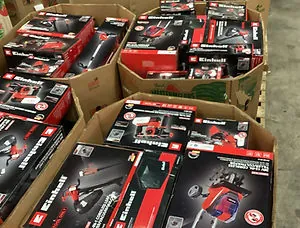
Most people assume these places are full of off-brand junk that nobody wanted. That's not really accurate. Closeout warehouses source bulk inventory directly from major retailers, think department store overstock, canceled orders, and end-of-season clearance lots, and a lot of what ends up on their shelves still has the original retail tags attached.
So What Actually Is a Closeout Warehouse?
A closeout warehouse is a facility that buys large quantities of unsold or excess merchandise from retailers, manufacturers, or distributors, then resells it to the public at reduced prices. They're not thrift stores. They do not sort through donated goods or price items based on condition in the same way. The inventory comes in by the pallet, often still boxed.
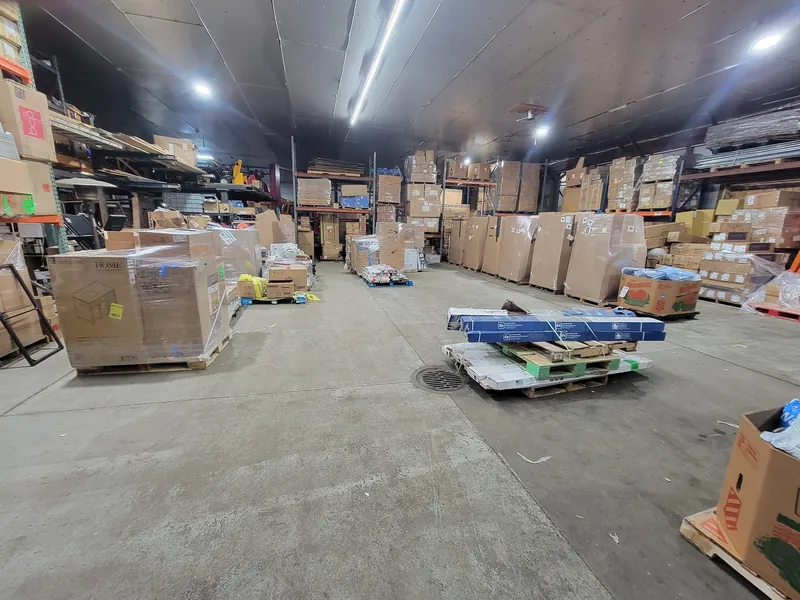
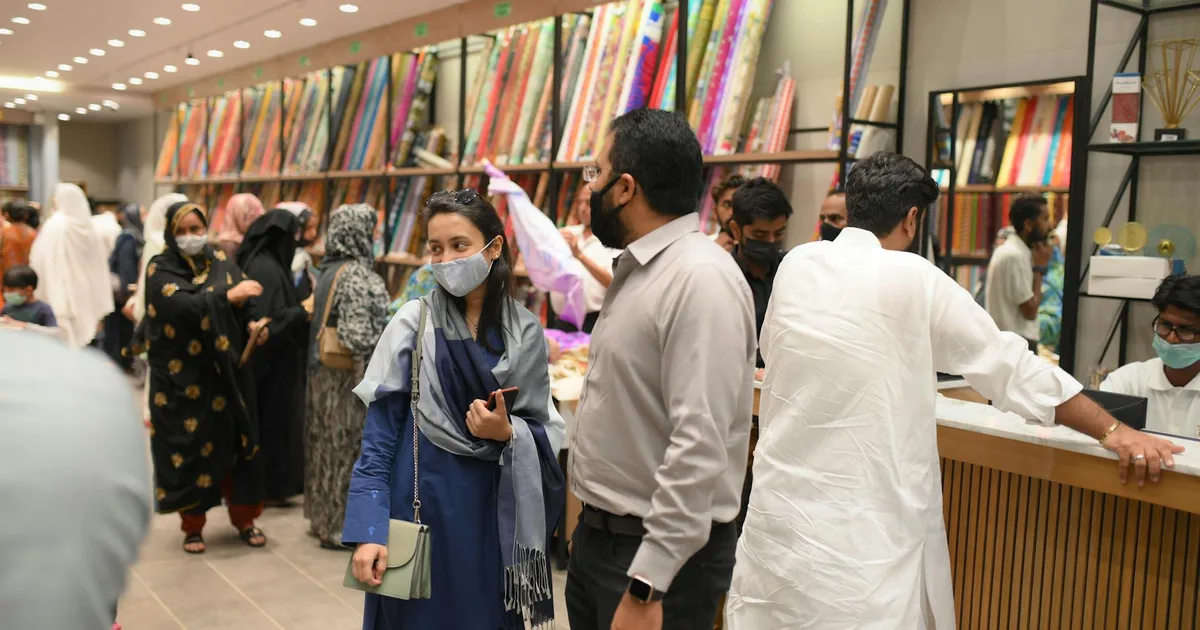
Walking into one for the first time, you might be surprised by the sheer volume. High shelving, concrete floors, forklifts moving in the back. Some closeout warehouses operate more like a warehouse club, with wide aisles and organized departments. Others are pure chaos in the best possible way, boxes stacked ceiling-high, inventory rotating daily, no two visits the same.
And here's something that catches a lot of people off guard: the brands. Kitchen appliances from national retailers. Clothing from recognizable department store chains. Electronics accessories, bedding sets, seasonal decor. Because retailers sell off inventory in bulk lots rather than item by item, everything in that lot lands in the warehouse together, brand names and all.
One practical thing to know: inventory turns fast. A closeout warehouse that had a great selection on Tuesday might look completely different by Saturday. Going once and leaving empty-handed does not mean the place isn't worth revisiting.
How Closeout Warehouses Differ From Liquidation Stores and Thrift Shops
This is where people get confused, and it's worth being clear about.
Thrift stores get donations. They price items individually and rely heavily on volunteer labor. Liquidation stores often buy returned merchandise, sometimes in mixed condition, and sell it by the piece or the bin. Closeout warehouses, by contrast, are buying new or like-new overstock in bulk from retail supply chains. The product has generally never been opened or used. It just didn't sell before the retailer needed to clear shelf space for the next season.
Because the sourcing is different, the pricing structure is different too. Closeout warehouses usually mark items at a fixed percentage off original retail rather than assigning arbitrary prices by hand. You'll often see original price tags still attached with a new sticker on top. That actually makes it easy to calculate your savings on the spot, which is genuinely useful.
Liquidation stores sometimes sell shelf pulls and customer returns alongside new overstock. Closeout warehouses tend to stick to new merchandise, though not always exclusively. It's worth asking staff what the sourcing is if you're buying electronics or anything where condition matters.
Wait, that's not quite right to leave it there, "new" in the closeout world sometimes means "new old stock," meaning the item is unused but could be a few years old. A blender that's technically new might use a cord style that was standard five years ago. Minor thing, but worth a quick look before you commit.
What to Expect When You Walk In
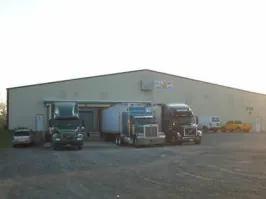
Closeout warehouses are usually bigger than a typical discount store. Parking lots tend to be large and utilitarian, often shared with other wholesale or industrial businesses in the same commercial zone. Don't judge the store by the exterior. Some of the best ones look like an unmarked loading dock from the outside.
Inside, you'll typically find merchandise grouped loosely by category rather than by brand or style. Housewares in one area, apparel in another, seasonal items near the front. Signage is often minimal. Staff are usually happy to point you in the right direction, but don't expect the experience of a staffed retail floor. These places run lean.
Pricing is almost always firm. Closeout warehouses are not negotiating venues. They bought the inventory at a set price and they're pricing to move it. That said, items that have been sitting for a while sometimes get marked down further, so a second visit to a specific location can pay off.
A few things to bring: a measuring tape if you're buying furniture or large items, your phone for quick price comparisons, and cash or a card that doesn't charge foreign transaction fees if the warehouse is independently owned. Some smaller operations are cash-preferred.
Finding Closeout Warehouses Worth Your Time
Not every closeout warehouse operates at the same level. Some are well-organized, rotate inventory regularly, and carry merchandise from recognizable retail chains. Others are less consistent. Quality varies by location, by the lots they're able to source, and honestly by how well the staff manages the floor.
Liquidation Store Pal has 247+ verified listings across this category, with an average rating of 4.3 stars, which is solid for a business type where experiences can vary a lot depending on the day and the current inventory. Reading recent reviews matters more here than in other retail categories. A review from eight months ago tells you less than one from last week, because the inventory has completely turned over since then.
Look for listings that mention specific sourcing (which retailers they work with), membership requirements if any, and whether they sell by the piece or require bulk purchases. Some closeout warehouses are open to the public with no membership. Others operate more like a buying club. That detail is worth checking before you drive out.
Closeout warehouses reward repeat visits and a little patience. Go in without a specific shopping list, keep an open mind about what you find, and you'll do well.