Cost Guide: How Much Can You Really Save at Liquidation Stores?

You're walking through a massive warehouse-style store, fluorescent lights humming overhead, and you spot a brand-name air fryer still in the box sitting on a shelf for $28. You double-check the tag. Yep, $28. Your brain does the math fast because you saw that exact model at a big-box retailer last week for $89. That feeling, part disbelief, part pure satisfaction, is exactly what keeps people coming back to liquidation stores again and again.

But here's what nobody tells you upfront: not every visit ends with a steal. Savings at a discount liquidation store can range wildly depending on what you're buying, what condition it's in, and honestly, what day you showed up. So the real question isn't whether liquidation stores save you money. They do. The question is how much, and under what circumstances. This guide breaks that down with real numbers, real store data, and some honest talk about when these places deliver and when they don't.
What Are Liquidation Stores and How Do They Actually Work?
A liquidation store goes by a lot of names. You might see it called a bargain store, a closeout store, an overstock store, or a surplus store. Some places call themselves discount outlet stores or just clearance centers. They're all pulling from the same basic idea: buying merchandise that major retailers and manufacturers need to move fast and cheap, then selling it to regular shoppers at prices well below normal retail.
Where does the inventory actually come from? A few different places. Retailers end up with more stock than they can sell, especially after seasonal pushes. A big-box store might order 10,000 units of a patio furniture set in spring and only move 7,000. Those leftover 3,000 units get bundled and sold off to liquidators. Customer returns are another huge source, products come back for all kinds of reasons, sometimes barely used, sometimes genuinely broken. Shelf pulls happen when a store resets its floor and pulls products that didn't sell but are still perfectly good. All of this merchandise flows down the supply chain and ends up in a discount retail store or liquidation outlet near you.
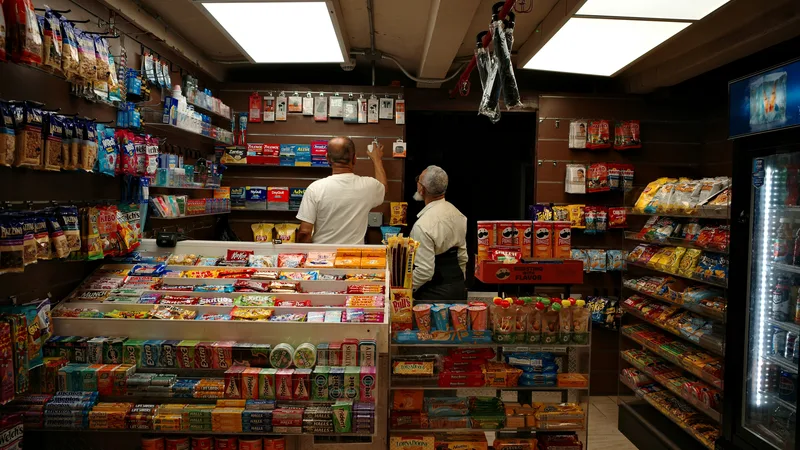
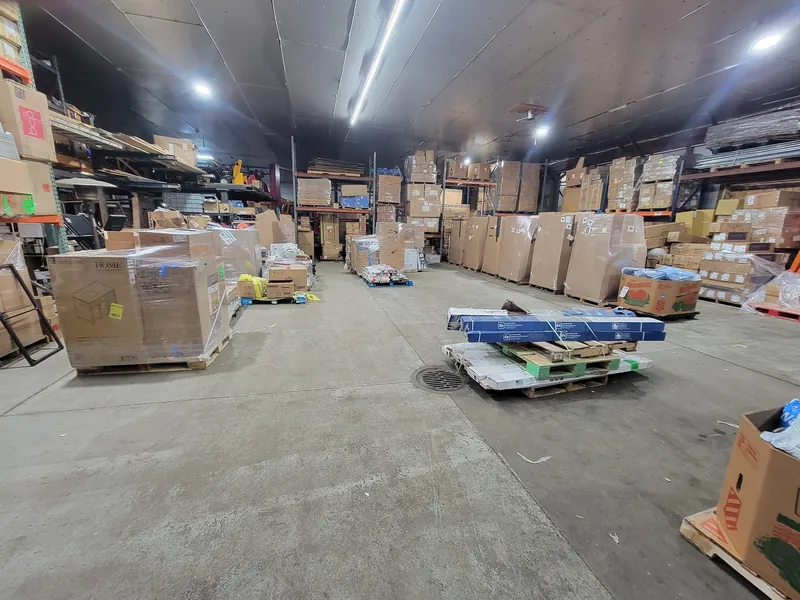
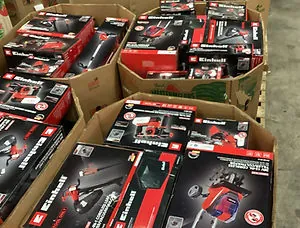
Now, there are different formats to know about. Some liquidation stores are physical walk-in spots, usually in strip malls or warehouse spaces, where you browse and pick items individually. Others run as online auction platforms where you bid on lots of returned goods. And then there's the world of liquidation pallets, which is a completely different beast. Buying a pallet means you're paying for a whole skid of mixed merchandise, sight mostly unseen, at a bulk rate. That's less for your average weekend shopper and more for resellers or small business owners who want to buy liquidation items in volume.
For most people reading this, individual item shopping at a physical store is the most practical route. You see what you're getting, you can check the condition, and you walk out with exactly what you chose.
Before you walk into any liquidation or surplus store, pull up the retail price of any big-ticket items you're hoping to find. Your phone is your best tool here. If you don't know what something costs at full retail, you can't actually tell if the liquidation price is a deal.
How Much Can You Actually Save? A Real Cost Breakdown
Okay, let's get into the numbers. Savings at a closeout store are not uniform across every product category, and that's worth understanding before you go in with sky-high expectations.
Electronics tend to see discounts in the 20% to 50% range on open-box items in good condition. A $200 Bluetooth speaker might show up for $110 or $120. That's solid, though not jaw-dropping. Where electronics can get really cheap is on customer returns where the item powers on but has cosmetic damage, cracked packaging, or a missing accessory, those can drop to 60% or 70% off, but you're taking a risk on functionality.
Furniture is one of the better categories at a liquidation store. Floor models, overstock pieces, and items with minor scratches or dings can go for 40% to 70% below retail. Haus Origins Furniture Liquidation Outlet in Vineyard, Utah carries a perfect 5.0 star rating with 22 reviews, which tells you people are genuinely happy with what they're finding there. Furniture liquidation can be a real win if you're furnishing a space on a tight budget and don't mind some wear.
Clothing and apparel are hit or miss. Seasonal overstock, winter coats in February, swimwear in September, can go for 50% to 70% off. Mid-season basics might only be 20% to 30% off. It depends entirely on what got over-ordered.
Tools and hardware are consistently strong at these stores. Contractors and DIYers know this. A returned cordless drill set that got opened and put back is often 40% off with nothing wrong with it. Same goes for shop supplies, fasteners, paint, and things like that.
Household goods, small appliances, and kitchen items are all over the map, but you can regularly find 30% to 60% savings on things like blenders, coffee makers, storage organizers, and bed linens.
Product condition grades matter enormously here. "New in box" items at a bargain store are the obvious best-case scenario, full retail quality at a fraction of the price. "Like new" or "open box" is usually fine. "Damaged" is where you need to slow down and think hard. A damaged label on a piece of furniture might mean a small scratch you'll never notice. On an appliance, it might mean a dent that affects nothing. Or it might mean the thing doesn't work. You genuinely need to inspect.
Worst-case scenario: you grab something marked down 60% that needs $40 in repairs to function, which wipes out most of your savings. Best-case: you find a brand-new-condition product that a retailer just had too many of, at half price or better. Both happen regularly.
What the Data Actually Shows About Liquidation Stores
Numbers are useful here. Our directory at Liquidation Store Pal lists 211 businesses across the country, and the average customer rating across all of them sits at 4.4 stars. That's not a fringe or sketchy retail segment. That's a well-reviewed, widely established type of shopping that real people consistently report good experiences with.
Cities like Las Vegas, Indianapolis, Columbus, Mooresville, and Vicksburg each have multiple listings, which reflects how embedded these stores are in everyday retail life across very different kinds of markets. Las Vegas and Indianapolis especially have built-up concentrations of discount and surplus stores worth knowing about.
And yes, some individual stores are genuinely outstanding. A&R Legendary Sales in Delta, Ohio, which specializes in pallet liquidation, has 114 reviews and a perfect 5.0 rating. That is not a fluke. Over a hundred people went out of their way to leave a review, and every single one was positive. Woocky Wholesale in Omaha has 60 reviews and a 5.0. Ohio Wholesale Liquidation Services in Columbus has 34 reviews at 5.0. Peak Stack Wholesale in Round Rock, Texas hits 5.0 on 23 reviews. The pattern is real, these places deliver when they're run well.
| Business Name | Location | Rating | Reviews |
|---|---|---|---|
| A&R Legendary Sales - Pallet Liquidation | Delta, OH | 5.0 ★ | 114 |
| Woocky Wholesale | Omaha, NE | 5.0 ★ | 60 |
| Ohio Wholesale Liquidation Services | Columbus, OH | 5.0 ★ | 34 |
| Peak Stack Wholesale | Round Rock, TX | 5.0 ★ | 23 |
| Haus Origins Furniture Liquidation Outlet | Vineyard, UT | 5.0 ★ | 22 |
A 4.4 star average across 211 businesses, with multiple stores holding perfect scores across dozens of reviews, is genuinely strong for any retail category. For context, most chain grocery stores hover around 3.8 to 4.2. If you've been hesitant about shopping at an overstock store because you assumed quality would be unpredictable, the data pushes back on that pretty firmly.
Speaking of finding deals across multiple store types, if you're serious about cutting your grocery costs too, salvage grocery stores offer similar discount models on food and pantry items, worth knowing about if you're trying to stretch a household budget across multiple categories.
Where to Find Liquidation Stores Near You and What to Look For
Searching for liquidation sales near me is a good start, but you'll get better results with more specific terms. Try "discount outlet store near me," "surplus store near me," or "closeout store near me" in Google Maps. A lot of these businesses don't have massive marketing budgets, so they don't always show up unless you're searching with the right words. Online business directories like Liquidation Store Pal are built exactly for this, pulling together listings by city so you're not hunting blind.
Once you find a few options, check reviews before you make the trip. Look for recent reviews, not just overall star count. A store with a 4.5 rating but all reviews from three years ago might have changed significantly. Recent reviews that mention specific product categories, "great for tools," "tons of kitchen stuff this week", are more useful than generic praise.
Return policy is something a lot of people forget to check. Many liquidation and closeout stores sell items as-is, meaning all sales are final. That's standard, but you want to know before you buy a $60 appliance that turns out to be dead on arrival. Some stores are more flexible than you'd expect, especially on big-ticket items, but you need to ask.
Parking lots at these places are often huge and sometimes a little chaotic, which is actually a good sign, it usually means the inventory is big and people come from a distance to shop. One thing worth noticing is whether the store organizes merchandise by category or just throws everything into bins. Organized stores are easier to shop efficiently. Bin stores can be wild and require more time, but they often have the deepest discounts because everything is priced the same regardless of what it is, sometimes a dollar or two per item.
Search by city to find discount liquidation stores near you, read real customer ratings, and get store details before you drive out. Cities like Las Vegas and Indianapolis have multiple well-rated options listed, but the directory covers markets across the country.
Tips for Getting the Most Out of Every Visit
Inventory rotates fast at these places. That's not a marketing line, it's genuinely how they work. New merchandise comes in constantly because retailers are always offloading excess. Going once and deciding a store "never has anything good" is a mistake a lot of first-timers make. In practice, the people who do best at a discount liquidation store are the ones who visit regularly, even briefly.
Arrive early when you know a restock is happening. Some stores have predictable delivery days. A quick question to a staff member, "when do you usually get new stock in?", can set you up for much better finds. Weekday mornings after a delivery are often the sweet spot before the weekend crowds pick through everything.
Seasonal and discontinued items are where you find the best value. A store receiving a shipment of last year's model space heaters in October can price them at 60% off because they need the floor space, but functionally those heaters are identical to the current model. Same logic applies to holiday décor, summer sports gear in fall, and any product line a manufacturer has officially discontinued.
Customer returns in good condition are another underrated category. Products get returned for ridiculous reasons all the time, the color was slightly off from the photo, the buyer changed their mind, a gift was duplicated. That stuff ends up at a surplus store looking practically new, priced like it's been used for years. Inspect it carefully, but don't avoid it reflexively.
Now for the traps. Overbuying is a real problem at these stores because everything feels like a deal and it's easy to fill a cart with stuff you don't actually need. If you wouldn't have bought it at full price, ask yourself hard whether you're actually saving money or just spending money you weren't going to spend. That $8 electric wine opener is not a saving if you didn't need one.
Damaged goods deserve a second look before you commit. A small crack on a storage bin, fine. A cracked screen on a tablet, you need to know if it's cosmetic or functional damage, and you need to understand what repair would cost. Do that math before you buy.
No return policy means no return policy. Don't assume. Ask every time on any item over $30 or so.
And if you're a budget-minded shopper who hits multiple types of discount stores, it's worth knowing that the same value mindset applies at other discount retail formats too. For food specifically, exploring salvage grocery options in your area can extend your savings well beyond household goods and into your weekly grocery bill.
Frequently Asked Questions
Are liquidation stores reliable places to shop?
Yes, more than most people expect. Across 211 businesses in our directory, the average customer rating is 4.4 stars. Multiple stores hold perfect 5.0 ratings across dozens of reviews. These are not shady operations, they're legitimate retail businesses that happen to sell overstock, returns, and closeout merchandise at reduced prices.
How much can I realistically save at a closeout store?
Savings range from about 20% to 70% off retail, depending on the product category and condition. Electronics and tools tend to fall in the 30% to 50% range for items in good condition. Furniture and seasonal goods can hit 60% to 70% off. New-in-box items are closer to 20% to 40% off since the condition is pristine.
What is the difference between a liquidation store and a regular discount store?
A regular discount retail store like a dollar store buys inventory specifically to sell at low prices, that's their sourcing model. A liquidation or surplus store is buying merchandise that another retailer or manufacturer needs to offload, so the inventory is less predictable but the discounts on name-brand items are often deeper.
Should I buy electronics at a liquidation store?
You can, but inspect carefully. Open-box electronics in good condition are often a strong deal. Damaged or return-grade electronics need more scrutiny, check that they power on, look for obvious functional issues, and know the store's return or exchange policy before you commit.
How do I find liquidation stores near me?
Search "discount outlet store near me," "liquidation sales near me," or "surplus store near me" in Google Maps. You can also use the Liquidation Store Pal directory to browse by city. Top cities like Las Vegas and Indianapolis have multiple well-rated options, and the directory covers businesses across the country.