Creating a Liquidation Shopping Routine: Tips for Success
Ever walked out of a liquidation store with a cart full of stuff and no real plan for how it happened?

That feeling of stumbling through a discount liquidation store without a system is more common than people admit. You go in looking for one thing, you leave with six random items, half of which you probably didn't need, and you're not even sure if you got good deals. The good news is that liquidation shopping rewards people who show up with a routine. And building that routine isn't complicated. It just takes a little intention.
A liquidation store, also called a closeout store, overstock store, surplus store, or bargain store, is a retail outlet that sells merchandise that didn't move through normal retail channels. Think of retailer overstock that had to be cleared out to make room for new inventory, shelf pulls that got swapped out mid-season, customer returns from big-box chains, and surplus goods from manufacturers who produced more than buyers ordered. These places sell all of that at a fraction of the original price. That's the whole appeal.
Liquidation shopping has grown into a serious money-saving strategy for millions of people, and it's not hard to see why. Prices on name-brand goods, furniture, tools, and electronics can run 30 to 70 percent below what you'd pay at a traditional retailer. But the savings only happen reliably when you know what you're doing. This article walks through exactly how to build a routine that gets you real results, from preparation before you ever leave your house to tracking your wins over time.
Understanding How Liquidation Stores Work
Most people shop at traditional retailers and take for granted that the shelves will look roughly the same every week. Liquidation stores do not work that way at all. Inventory arrives in lots, often without much predictability, and what's there one Tuesday might be completely gone by Thursday. That's not a flaw in the system. That's the system. Understanding this is the first thing that separates casual bargain hunters from people who actually build wealth through discount retail store shopping.
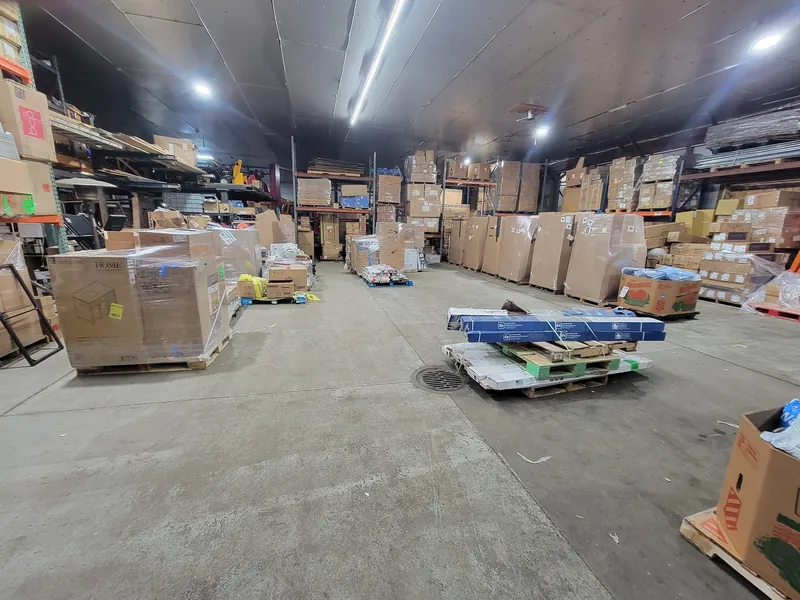
Merchandise at a closeout store or overstock store can come from a dozen different sources. A major department store needs to clear out last season's clothing before new product arrives. A warehouse has too many units of a specific appliance model because a retailer cancelled its order. A big-box chain processes thousands of customer returns each week, and those items get bundled into pallets and sold off. All of that flows downstream into the liquidation supply chain, eventually landing on shelves at your local discount outlet store or getting listed in online liquidation sales.
Online and in-store formats are genuinely different experiences and require different approaches. Online liquidation sales, where you bid on or buy lots and pallets sight unseen, carry higher risk because you're often making decisions from a manifest or a low-resolution photo. In-store shopping at a physical discount liquidation store lets you hold items, check for damage, and compare prices on the spot. For most people starting out, in-store shopping is the safer entry point. Online buying makes more sense once you understand what to look for and have developed some feel for what certain categories of goods are actually worth.

Inventory rotation is unpredictable by nature, and honestly, that unpredictability is exactly why having a routine matters more here than at any traditional store. If you just wander in whenever you feel like it and browse without a plan, you'll miss the best stuff. People who show up consistently, especially right after new shipments land, are the ones walking out with the real finds.
Ask store staff what day new inventory typically arrives, then plan to visit the very next morning. At most surplus stores and closeout locations, the first 24 hours after a new shipment is when the best items disappear. Early birds genuinely do win here.
Building Your Pre-Shopping Preparation Routine
Preparation is where most people drop the ball. They search for "liquidation sales near me," find a store, and drive over with no plan. That approach produces inconsistent results at best. A real routine starts before you pull out of your driveway.
Set a budget before every visit. Not a vague "I'll spend around fifty bucks" budget, but an actual number you commit to. Write it down. Liquidation stores are genuinely good at creating a sense of urgency because items feel scarce (and often are), and that urgency can push you to spend more than you intended. Having a number in your head before you walk in gives you an anchor.
Skip making a specific shopping list. You'll almost never find exactly what's on a traditional list at a surplus store or bargain store, because the inventory isn't predictable enough. Instead, make a category list. Write down something like "tools, small appliances, kids clothing, outdoor furniture" and then stay open to whatever shows up in those categories. This keeps you focused without locking you into finding something specific that may not be there.
Research the store before you go. Directories like Liquidation Store Pal list hundreds of locations across the country, with customer reviews and ratings you can read before making the trip. With 247 businesses listed and an average customer rating of 4.3 out of 5 stars, there's enough review data to make real judgments about which stores are worth your time. A store with 80 reviews averaging 4.5 stars is a different experience than one with 4 reviews and no comments. That context matters.
Sign up for email newsletters from the stores you visit regularly. Follow them on social media. Some liquidation stores, especially the smaller independent ones, post photos of new arrivals on Instagram or Facebook before the merchandise even hits the floor. That kind of early notice is gold. And if you don't want to wait for a post, just call the store and ask which day of the week new shipments typically arrive. Most staff will tell you. It's not a secret, and asking takes about 30 seconds.
One more prep habit worth building: do a quick price check on retail sites before you leave home if you have specific categories in mind. If you know you're looking for a stand mixer or a cordless drill, spend five minutes on Amazon or Google Shopping to get a sense of current retail prices. You want a baseline number in your head so that when you see a price tag at the discount outlet store, you can quickly judge whether you're looking at a genuine deal or a markdown from an inflated "original" price.
Developing Smart In-Store Shopping Habits
Arrive early. Seriously, just do it. At a surplus store or bargain store, the gap between early and late can be dramatic, especially on days right after new inventory lands. Good items move fast. Electronics, name-brand tools, quality home goods, anything with obvious resale value or utility gets picked up within hours of hitting the floor. If you show up mid-afternoon hoping to find the same selection as the morning crowd, you're going to be disappointed more often than not.
Walk the store systematically rather than just wandering. Start with whatever high-value category is most important to you. Electronics and tools tend to produce the biggest dollar savings per item, so many experienced shoppers hit those sections first. Home goods like cookware, small appliances, and bedding are worth a close look too. Clothing sections at a discount liquidation store can be hit or miss depending on the store's sourcing, but occasionally you'll find name-brand pieces for a few dollars.
Inspect every item before you put it in your cart. Check for cracked casings, missing parts, water damage on electronics, torn packaging that might mean something is missing inside. This sounds obvious, but people get lazy about it when they're excited by a price. Buying a broken item for three dollars is not a bargain. It's just a broken item that cost three dollars.
And here's where a lot of shoppers get tripped up: not every markdown at a closeout store is actually a deal. Some stores price items against a suggested retail price that nobody was ever paying in the first place. A "70% off" sticker means very little if the original price listed is double what the item sells for at Target. Always check the actual current retail price on your phone before buying anything over twenty dollars. This habit alone will save you from a lot of regret.
Stay flexible and genuinely open-minded. Some of the best finds at a liquidation store are things you weren't looking for. A surplus store might get a lot of high-quality kitchen knives one week and a batch of outdoor power tools the next. Shoppers who only buy what's on their category list and never deviate miss out on unexpected deals. The discipline you actually need is not "stick to the list no matter what" but rather "don't buy something just because it's cheap if you'll never use it."
Also, pay attention to the pricing label system. Many stores use colored tags that indicate when an item arrived. Older tags often get marked down further as the weeks pass. Knowing the color rotation at your regular store is a small but real advantage, and most regulars figure it out pretty quickly just by watching.
Tracking Your Finds and Managing Your Purchases
Keep a shopping log. This sounds fussy, but it's actually one of the most useful habits you can build if you shop liquidation stores regularly. Nothing complicated, just a note in your phone or a small notebook where you record what you bought, what you paid, and what the comparable retail price was. Do this for three months and look back at the numbers. Seeing that you saved four hundred dollars over a quarter makes the habit feel real and worth maintaining. It also shows you which stores and which product categories are producing your best results.
Price research before buying is especially important for higher-ticket items. If you find a power tool at an overstock store listed at sixty dollars with an original price tag of one hundred and twenty, pull out your phone and check what that exact model is actually selling for right now. Maybe it's eighty dollars at Home Depot and fifty-five on Amazon. That changes the calculation. You might still be getting a deal, but it's a smaller one than the tag suggests. Or maybe retail is actually one hundred and forty and you're getting a genuinely great price. Either way, you want to know.
Return policies at liquidation stores are often much stricter than what you're used to at traditional retailers. Many closeout and surplus stores operate on an "all sales final" basis, especially for electronics and opened items. Some offer a short window of a few days for exchanges only. Read the return policy posted at the register before you commit to any purchase you're unsure about. This is not an area where it's safe to assume.
By the way, if you're someone who loves finding deals beyond just liquidation goods, there are some great overlapping communities worth knowing about. People who shop at salvage grocery stores often apply many of the same habits: showing up on restock days, checking dates carefully, and staying flexible about what they buy. In practice, the mindset transfers surprisingly well across different kinds of discount shopping.
Liquidation Shopping by the Numbers: Industry Snapshot
Numbers tell a useful story here. According to data from the Liquidation Store Pal directory, there are currently 247 businesses listed across multiple cities, with an average customer rating of 4.3 out of 5 stars. That average is genuinely high for any retail category, and it suggests that people who find and use these stores tend to leave satisfied.
| Business Name | Location | Rating | Reviews |
|---|---|---|---|
| A&R Legendary Sales - Pallet Liquidation | Delta, OH | 5.0 ★ | 114 |
| Woocky Wholesale | Omaha, NE | 5.0 ★ | 60 |
| Ohio Wholesale Liquidation Services | Columbus, OH | 5.0 ★ | 34 |
| Peak Stack Wholesale | Round Rock, TX | 5.0 ★ | 23 |
| Haus Origins Furniture Liquidation Outlet | Vineyard, UT | 5.0 ★ | 22 |
A&R Legendary Sales in Delta, Ohio stands out specifically because of the volume of reviews behind that 5.0 score. A perfect rating with 114 reviews carries real weight. That's not a handful of friends leaving nice comments; that's a sustained track record across a large sample. Woocky Wholesale in Omaha has 60 reviews at 5.0, and Ohio Wholesale Liquidation Services in Columbus comes in with 34 reviews at the same top score.
Typically, the geographic spread of top cities in the directory is interesting too. Phoenix leads with 4 listings, followed by New Castle, Atlanta, South Gate, and St. Peters with 2 to 3 listings each. What this tells you is that liquidation retail is not concentrated in one region; demand for discount retail store options exists across very different kinds of cities, from large metros like Atlanta and Phoenix to smaller markets like New Castle and St. Peters. If you've been searching for "where to find liquidation stores" in your area and coming up empty, there may be more options nearby than you think, just not on the obvious platforms.
Haus Origins Furniture Liquidation Outlet in Vineyard, Utah is worth a specific mention. Furniture liquidation is a category where the savings can be truly substantial, sometimes thousands of dollars on a single piece. A 5-star rating with 22 reviews for a furniture-specific outlet is a strong signal that the buying experience there is positive and the quality of goods is solid. Furniture at a surplus store carries more risk than, say, buying overstock kitchen gadgets, so that kind of track record matters more.
With 247 businesses and an average rating of 4.3 stars across the Liquidation Store Pal directory, you have real data to work with before ever setting foot in a store. Use it. Filter by rating, read recent reviews, and check whether reviewers mention specific product categories that match your shopping goals.
Frequently Asked Questions
What is a liquidation store and how is it different from a regular discount store?
A liquidation store, sometimes called a closeout store, overstock store, or surplus store, sells merchandise that didn't move through normal retail channels. That includes retailer overstock, shelf pulls, customer returns, and manufacturer surplus. Regular discount stores like dollar stores buy products specifically intended for that price point. Liquidation stores are selling goods that were originally destined for full-price retail, which is why you can find brand-name items at steep markdowns. Inventory changes constantly and is not predictable.
How do I find reputable liquidation stores near me?
Start with a directory like Liquidation Store Pal, which lists 247 businesses with customer ratings and reviews. Searching "liquidation sales near me" on Google will also pull up local options, but the results don't always include enough review data to judge quality. Reading actual customer reviews before visiting saves you a wasted trip. Focus on stores with at least 20 reviews and a rating above 4.0 for the most reliable experience.
Can I return items bought at a liquidation store?
Many liquidation and closeout stores have strict return policies, and some operate on an all-sales-final basis. Always read the posted return policy before buying, especially on electronics or anything you haven't been able to fully inspect. Don't assume the policy matches what you'd get at a big-box retailer. Asking at the register before you pay is completely reasonable and most staff won't mind.
Is it safe to buy electronics at a surplus or overstock store?
It can be, but it requires more care than buying new from a regular retailer. Check that all components are present, test the item if the store allows it, and look for any visible damage to cords, screens, or casings. Research the model online to confirm what the retail price actually is and whether known issues exist with that product. For higher-ticket electronics, check if any manufacturer warranty might still apply to the item.
What are the best product categories to shop at a discount liquidation store?
Electronics, tools, home goods, and name-brand clothing tend to offer the best combination of savings and usability. Furniture liquidation can produce big savings but requires more inspection. Perishable or dated items need careful checking. As a rule, the categories that work best for you will depend on your local store's sourcing; after a few visits, you'll develop a feel for which sections at your regular store consistently deliver.
More Ways to Save
Find Liquidation Stores Near You
Browse our directory of 247+ businesses, read real customer reviews, and find the best-rated discount liquidation stores, overstock outlets, and surplus stores in your area.
Search the Directory