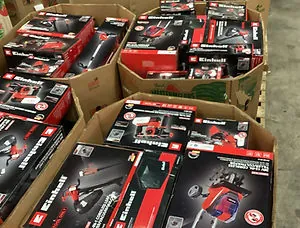
Full Pallets of Returned Goods: What Buyers Actually Get
Ever wondered what happens to all those returned televisions, kitchen gadgets, and power tools that big retailers can't resell? A lot of it ends up on pallets, sold in bulk to pallet liquidation businesses, and eventually to buyers like you.
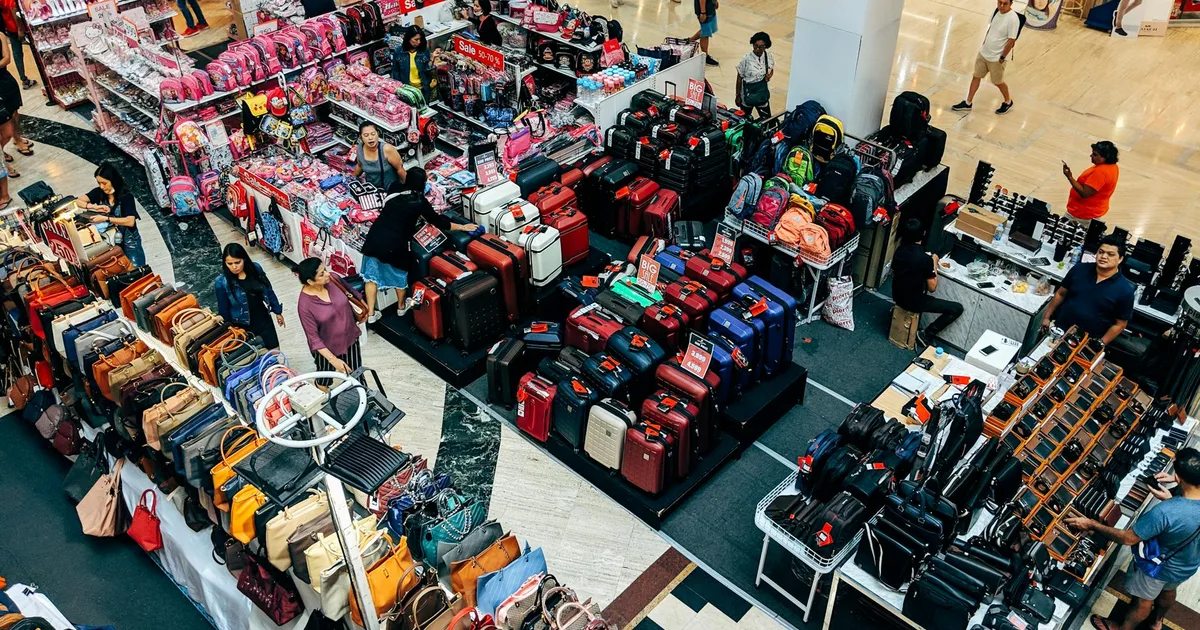
Pallet liquidation is exactly what it sounds like. A seller loads a wooden pallet with returned, overstock, or shelf-pull merchandise and sells the whole thing as a single lot. You're not picking individual items off a shelf. You're buying the whole stack, sight mostly unseen, and sorting through it yourself. It's a different kind of buying experience, and it rewards people who go in knowing what to expect.
What Pallet Liquidation Actually Is
At its core, pallet liquidation exists because major retailers need to move product fast. Returns pile up. Overstock takes up warehouse space. Rather than handling each item individually, they bundle goods onto pallets and sell them off, usually to liquidators and wholesalers who then resell to the public.
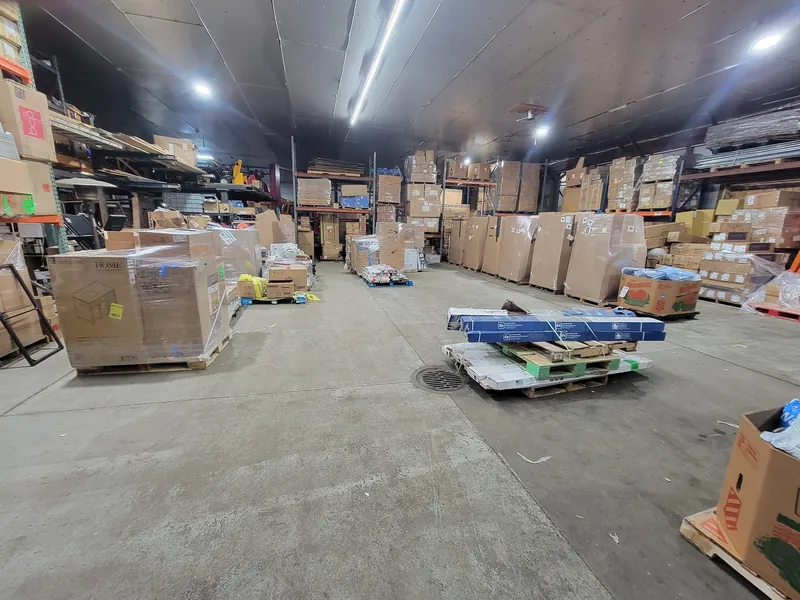
Walking into one of these facilities for the first time, you'll probably notice the sheer volume of stuff before anything else. Rows of shrink-wrapped pallets. Cardboard boxes stacked high. Forklifts moving in the background. It doesn't look like a retail store. It looks like a warehouse, because it is one.
Honestly, the variety can be a little overwhelming at first.
Pallets are typically sorted by category: electronics, home goods, clothing, toys, general merchandise. Some pallet liquidation businesses buy directly from one retailer, so you might see a pallet that's entirely one brand's returned inventory. Others buy from multiple sources, which means a single pallet could have a blender, three pairs of sneakers, a baby monitor, and a set of drill bits. That's not unusual at all.
Most items on a pallet are customer returns. Some are new and untouched because the original buyer changed their mind. Others have been opened, tested, or lightly used. A portion may be damaged or non-functional. Reputable pallet liquidation businesses grade their pallets, often using labels like "Grade A," "Grade B," or "salvage," which gives you a rough sense of the condition before you buy. Always ask about grading if it's not clearly labeled.
How These Places Differ from Bin Stores and Thrift Shops
Pallet liquidation gets lumped in with bin stores and thrift shops sometimes, but the buying model is pretty different. Thrift stores sell individual items, usually donated goods, at low prices. Bin stores take liquidation merchandise and dump it into bins for customers to sort through item by item. Pallet liquidation cuts out a few of those steps.
You're buying wholesale. Not one mug. The whole pallet.
This matters because the economics are different. A single pallet might cost anywhere from $100 to several hundred dollars or more depending on the category and condition grade. Electronics pallets tend to run higher. General merchandise or clothing pallets can be more affordable. But you're getting dozens or even hundreds of individual items for that price, which is where the value comes in, assuming you can move or use what's on it.
Bin stores and thrift shops are better for casual buyers who want one or two things. Pallet liquidation works better for resellers, small business owners, or serious buyers who have storage space and a plan for the inventory. You do not need a reseller license at most pallet liquidation facilities that sell to the public, but it's worth checking before you show up.
Among the 247+ verified listings on Liquidation Store Pal, pallet liquidation businesses consistently earn strong reviews, with an average rating of 4.3 stars across the directory, which suggests buyers are generally getting what they expect when they understand the format going in.
What to Expect When You Show Up
Most pallet liquidation facilities are open to walk-in buyers, but some require appointments, especially if you're coming to inspect pallets before purchasing. Call ahead. Nothing's worse than driving 45 minutes to find out the facility only does scheduled viewings on certain days.
Bring cash or check that your card is accepted. Payment policies vary more than you'd think at these places.
Once inside, you'll usually be able to view pallets that are available for sale. Some facilities let you open boxes and inspect contents. Others sell pallets as sealed lots, meaning you're buying based on a manifest, which is a printed list of what's supposed to be on the pallet. Manifests are not always 100% accurate, by the way. Items go missing during sorting. Damaged goods get pulled. Treat the manifest as a guide, not a guarantee.
Bring your own moving equipment if you can. A lot of pallet liquidation businesses will load your vehicle with a forklift, which is genuinely useful when you're hauling a full pallet, but you'll need a truck or a large SUV. A sedan is not going to cut it.
One small thing worth noticing: pricing labels at these facilities are often handwritten or printed on plain stickers. It feels informal compared to a regular retail environment, but that's normal. The informality is part of the format.
How to Get the Most Out of a Pallet Liquidation Buy
Start with a category you actually know. If you've never sold electronics, don't start with an electronics pallet. Condition grading on tech items requires more knowledge than most other categories, and the risk of buying non-functional items is higher. Clothing, home goods, or toys are more forgiving entry points for first-time pallet buyers.
Research resale values before you commit. Pull up sold listings on eBay or Facebook Marketplace for the types of items you'd expect on the pallet. If a Grade B general merchandise pallet costs $200 and the realistic resale value of its contents is $180, that's not a good buy. Do the math before you load it into your truck.
Build a relationship with a facility you trust. Pallet liquidation businesses that deal with repeat buyers often give better access, early notice on good pallets, or more flexibility on inspections. Showing up consistently and being straightforward about what you're looking for goes a long way.
And don't expect every pallet to be a win. Even experienced buyers take a loss sometimes. In practice, the goal is to come out ahead across multiple buys, not necessarily on every single one.
Frequently Asked Questions
- Do I need a business license to
More Ways to Save