Health and Safety in Overstock Stores: What You Need to Know

You Found a Great Deal. But Is It Actually Safe to Buy?
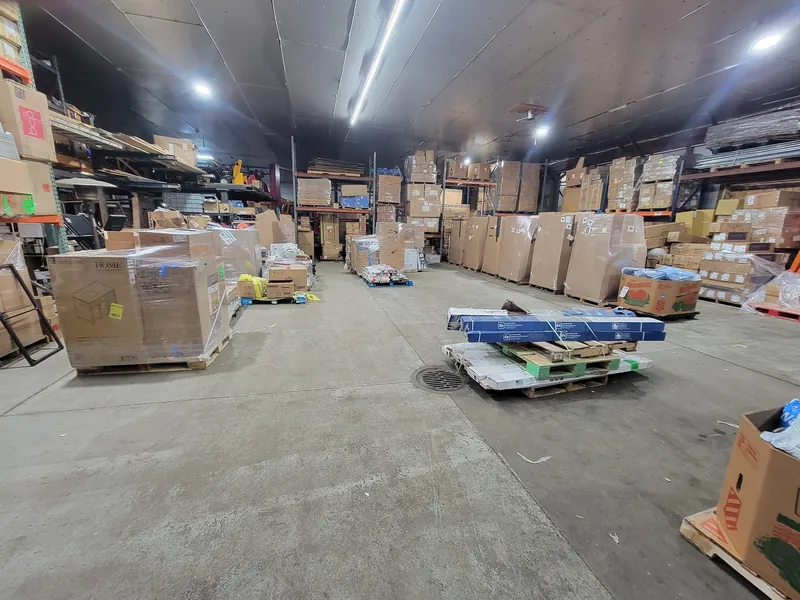
You walk into what looks like a packed warehouse. Shelves are stacked floor to ceiling with random boxes, half-open packages, and items that clearly came from somewhere else before ending up here. There's a flatscreen TV next to a pile of baby toys next to canned goods near the back wall. You spot something you need at 70% off and grab it, but you don't actually know where it came from, whether the seal is intact, or if it was pulled from a store shelf for a reason. That feeling of uncertainty? Completely valid.

Overstock stores, liquidation stores, closeout stores, and surplus stores have exploded in popularity over the last decade, and for good reason. Prices are genuinely low. You can find brand-name products at a fraction of retail cost. Budget-conscious shoppers, resellers, and bargain hunters have made these places a regular stop. But here's what nobody tells you when you're standing in that aisle: the rules are different here. Product conditions vary. Safety seals are sometimes missing. Expiration dates need checking. And the physical store environment itself can present hazards that a polished chain retailer simply does not have.
This article breaks down everything you actually need to know to shop smart and stay safe at a discount liquidation store, whether you're a first-timer or a regular who never thought twice about it. We'll cover product inspection, in-store physical safety, health considerations for food and chemical products, and real data from the Liquidation Store Pal directory on what the market actually looks like right now.
What Makes These Stores Different, and Why That Matters for Safety
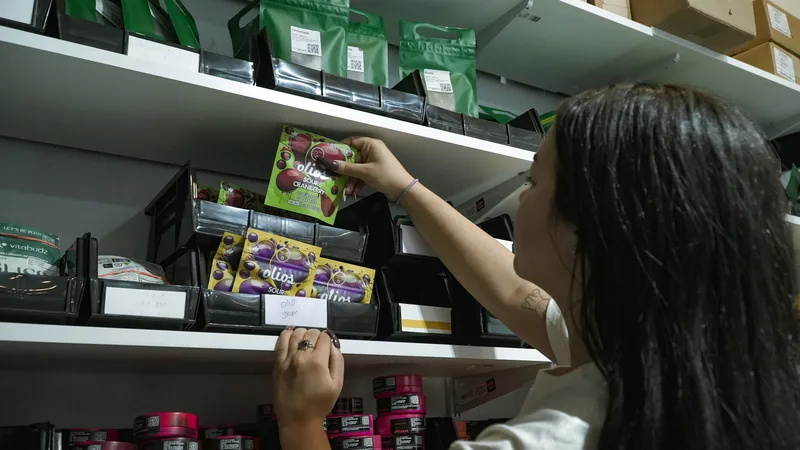
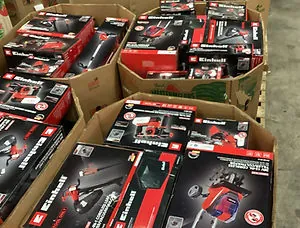
Walking into a bargain store or overstock store for the first time is a little disorienting. It does not look like a Target or a Home Depot. Merchandise is often densely packed, aisles can be narrow, and the inventory turns over constantly. One week there are pallets of blenders. Next week it's outdoor furniture and canned soup. That's not a flaw in the business model; it's literally how liquidation retail works. Stores buy liquidation items in bulk from retailers, manufacturers, and distribution centers, and what they get varies batch to batch.
Because the stock comes from returns, closeouts, and surplus inventory, product conditions can be all over the map. Some items are brand new, never opened, in perfect packaging. Others are customer returns that may have been opened, used, or repackaged by someone at a big-box store's returns processing center. A small number might have damage that wasn't caught before the pallet was sold. Reputable discount retail stores grade their inventory and label items accordingly, but not every store does this consistently, and not every shopper knows to look for those grades.
None of this means these places are dangerous. Most are not. But it does mean you need a different mindset than you bring to a regular retail store.
Many reputable surplus stores grade their products with labels like "Like New," "Open Box," "Salvage," or "Customer Return." If a store uses a grading system, that's a good sign they're being transparent about what you're buying. If nothing is labeled and the staff can't tell you where an item came from, factor that into your decision.
Reputable discount liquidation stores do maintain real standards. They have safety protocols, return policies, and staff who know the inventory. This is not a lawless gray market. But knowing what questions to ask and what to look for puts you in a much better position as a shopper.
How to Inspect Products Before You Buy
This is the single most important habit you can build when buying liquidation items. Take 60 seconds before you put something in your cart.
For electronics and appliances, check the packaging first. Is the box crushed in a way that could have damaged the product inside? Are there any visible cracks on the device itself? If it's an open-box item, do all the accessories and cables appear to be included? A missing power cord might not be a safety issue, but a cracked housing on an electric appliance absolutely is. Do not buy a blender or a space heater with a broken casing regardless of how cheap it is.
Toys deserve extra scrutiny, especially if you have young kids. Check for sharp edges from broken plastic, missing small parts that could be choking hazards, and whether any battery compartments are intact. Toys that were returned by other customers may have been played with hard before coming back.
Product recalls are a real issue at closeout stores and nobody talks about it enough. Items get pulled from mainstream retail for all kinds of reasons, and sometimes those very items end up in liquidation channels. Before buying anything that involves electricity, heat, or goes near a child's mouth, spend 30 seconds on the CPSC website (cpsc.gov) and search the product name. This is especially worth doing for car seats, baby gear, and kitchen appliances. Yes, it takes a minute. Do it anyway.
Ask the staff. Seriously. Many good surplus stores have a condition grading system for their pallets and staff who can tell you whether something came from a store return, a closeout, or an overstock batch. "Overstock" typically means new and unsold. "Customer return" means someone bought it, used it (maybe), and brought it back. That's a big difference if you're buying a baby monitor or a kitchen knife set.
Visit cpsc.gov/recalls and search any secondhand or liquidation item before buying, especially electronics, children's products, or anything with heating elements. Takes 30 seconds and could save you a real headache.
In-Store Physical Safety: What to Watch Out For on the Floor
Okay, this part sounds overly cautious but it's genuinely practical.
High-density shelving in a discount outlet store means merchandise is stacked higher and closer together than you're used to. Boxes near the edges of shelves, pallets blocking partial aisle views, and items stacked at odd heights are common. These stores are restocking constantly, sometimes while customers are shopping. A toppling box of cookware from a high shelf is not a minor inconvenience.
Wear closed-toe shoes. Not sandals, not flip-flops. If you're doing a real run through a liquidation store, you're probably moving heavy stuff around, and dropped merchandise is a real possibility. Kids should stay close to you and out of the reach of low-hanging shelves that might look like a climbing structure to a four-year-old (and yes, this happens).
Watch for wet floors near loading dock areas or back sections of the store. These areas often have less formal signage than the main retail floor. Same goes for uneven flooring where pallets have been dragged across tile over and over. It's just something to be aware of as you move through the store.
If you see a safety hazard, tell a staff member immediately. A reputable bargain store or discount liquidation store responds fast to this kind of thing because their ratings and reputation depend on it. Don't just step around a tipping shelf and move on. Say something.
One more thing about big bulky items, furniture, exercise equipment, large appliance boxes. Do not try to wrestle these into your car alone. Ask for help. Most stores have staff or carts for this. Trying to solo-carry a 90-pound treadmill box through a parking lot because you don't want to wait is how people get hurt.
The Numbers: What the Liquidation Store Pal Directory Actually Shows
Data from the Liquidation Store Pal directory currently lists 247 businesses across five cities. That's a meaningful number, and the breakdown by city says something interesting about where these stores are clustered: Phoenix leads with 4 listings, followed by New Castle and Atlanta with 3 each, then South Gate and St. Peters with 2 apiece.
What catches my eye is the spread. This isn't just a big-city phenomenon. New Castle and St. Peters are not major metros, but they still have active surplus store markets. Budget shoppers in smaller communities are actively finding and rating these places, which means access to liquidation retail is broader than most people assume when they search "liquidation sales near me."
Average customer rating across all 247 listings is 4.3 stars. Honestly, that's higher than I would have expected for a category that gets some skepticism from new shoppers. It suggests that the majority of these businesses are being run well enough that real customers leave satisfied reviews.
And then there are the outliers worth knowing about:
| Business Name | Location | Rating | Reviews |
|---|---|---|---|
| A&R Legendary Sales - Pallet Liquidation | Delta, OH | 5.0 ★ | 114 |
| Woocky Wholesale | Omaha, NE | 5.0 ★ | 60 |
| Ohio Wholesale Liquidation Services | Columbus, OH | 5.0 ★ | 34 |
| Peak Stack Wholesale | Round Rock, TX | 5.0 ★ | 23 |
| Haus Origins Furniture Liquidation Outlet | Vineyard, UT | 5.0 ★ | 22 |
A&R Legendary Sales in Delta, Ohio has 114 reviews at a perfect 5.0. That's not a fluke. Getting 114 people to leave reviews, and all of them positive, means they're doing something consistently right. If you're in Ohio and looking for where to find liquidation stores worth trusting, that's a name to start with. Same goes for Woocky Wholesale in Omaha with 60 reviews at 5.0. These are stores with real track records.
Using a verified directory is a smarter approach than just typing "discount outlet stores near me" into Google and hoping for the best. A directory filters for legitimate businesses with real customer feedback, which matters when you're trying to avoid the sketchy one-off pop-up that disappears after two weeks.
Health Considerations: Food, Chemicals, and Personal Care Products
This section is where people get lazy, and it's the one that can actually affect your health.
Plenty of closeout stores and overstock stores carry food items, personal care products, cleaning supplies, and over-the-counter medications. You can get incredible deals on this stuff. You can also get burned if you're not paying attention.
Check expiration dates on everything consumable. Every single time. Not just a glance, actually read the date. Some stores stock items that are close to expiry because that's why they were liquidated in the first place. Buying a case of protein bars three months past their best-by date is, at minimum, a waste of money. With certain products like infant formula, canned goods with compromised seals, or medications, it can be a genuine health issue.
Look at the seal. Is it broken? Is the cap cracked? Is there dried residue around the lid that suggests leaking or previous opening? These are all reasons to put the item back. A personal care product with a broken seal could have been contaminated, diluted, or simply exposed to air long enough to degrade. Not worth it for 80 cents of savings.
Household chemicals need their own level of attention. Cleaning products, pesticides, and solvents sometimes end up at surplus stores in bulk, and occasionally packaging gets damaged in transit. A leaking bleach container in your car on the way home is a bad afternoon. Check for damage, proper caps, and no staining on the outer packaging before you buy.
Speaking of food at discount stores, if you're specifically interested in salvage grocery options, there's a whole separate category of store designed just for that. You can explore salvage grocery options in your area to find stores that specialize in closeout and near-expiry food products and have better systems for managing those products safely than a general liquidation store would.
Refrigerated or frozen items are a different conversation. Most overstock stores are not set up for temperature-controlled food. If you see loose refrigerated goods in a general liquidation environment with no proper cold storage, I'd skip them entirely. The savings are not worth food safety risk.
For any food, supplement, medication, or personal care product at a discount liquidation store: check the expiration date, inspect the seal, look for damaged packaging, and verify the storage conditions look appropriate. If any of these fail, leave it on the shelf.
Smart Shopping Habits That Actually Make a Difference
There are a handful of habits that separate savvy liquidation shoppers from people who end up frustrated.
Go in with a list, or at least a category in mind. It sounds boring but it keeps you from impulse-grabbing a box of mystery electronics that costs $40 and turns out to be three broken keyboards and a charging cable for a phone that hasn't been made since 2014. (This is more common than you'd think.) Discount retail stores are genuinely good at triggering that "deal brain" feeling where everything seems worth grabbing. Some of it is worth grabbing. Not all of it is.
Actually, wait, the mystery pallet thing can be a great deal if you're reselling. That's a completely different use case. If you're buying for personal use, stick to items you can inspect directly.
Know your return policy before you buy. Some surplus stores have no returns, especially on electrical items or opened packages. That's not inherently shady; it's the nature of the business. But you need to know this before you carry something home and find it doesn't work. Ask before you get to the register.
Bring your phone. Being able to look up a product model number, check reviews, verify a recall, or compare the in-store price to Amazon takes maybe 90 seconds and can save you from a bad buy. Don't be the person who grabs something and assumes it's a deal just because the original price sticker is on the box.
Shop at reputable places. A verified business directory is genuinely one of the better tools for this. Searching "liquidation stores near me" or "discount outlet stores" on Google gives you a mixed bag. A directory like Liquidation Store Pal filters for businesses that have real reviews and are operating legitimately. Higher average ratings mean more accountability.
Frequently Asked Questions
Are overstock stores safe to shop at in general?
Yes, most are. Data from the Liquidation Store Pal directory shows an average rating of 4.3 stars across 247 listed businesses, which reflects generally positive customer experiences. Like any retail environment, safety depends on the specific store. Reputable closeout stores maintain clean, organized spaces and transparent product grading. The key is choosing established stores with real reviews and taking the time to inspect products before buying.
How do I know if a product from a liquidation store has been recalled?
Check the U.S. Consumer Product Safety Commission database at cpsc.gov/recalls. Search by product name or brand. This is especially important for electronics, appliances, children's toys, and baby gear. Takes under a minute and can prevent a real safety issue.
Can I trust food products from a surplus store?
Sometimes yes, sometimes no. Always check expiration dates, intact seals, and packaging condition. Avoid anything with a broken seal, visible damage, or unclear storage history. Refrigerated food in a non-refrigerated environment is a hard no. For stores that specialize in food liquidation with proper storage systems, you can find dedicated salvage grocery stores that handle food closeouts more carefully than a general liquidation store would.