How to Prepare Your Home for Buying Liquidation Items

Picture this: someone drives forty minutes to a discount liquidation store, loads up a cart with a flatscreen TV, a box of assorted kitchen gadgets, and two large storage shelving units, gets home excited, and then realizes the shelving units are six inches too tall for the basement ceiling, the TV remote is missing its battery cover, and there is nowhere to actually put any of it because the garage is already a disaster. The trip felt like a win at the time. It was not. That is the classic liquidation shopping trap, getting swept up in the deals without doing any prep work first, and ending up with a house full of stuff that does not fit, does not work, or just adds to the chaos.
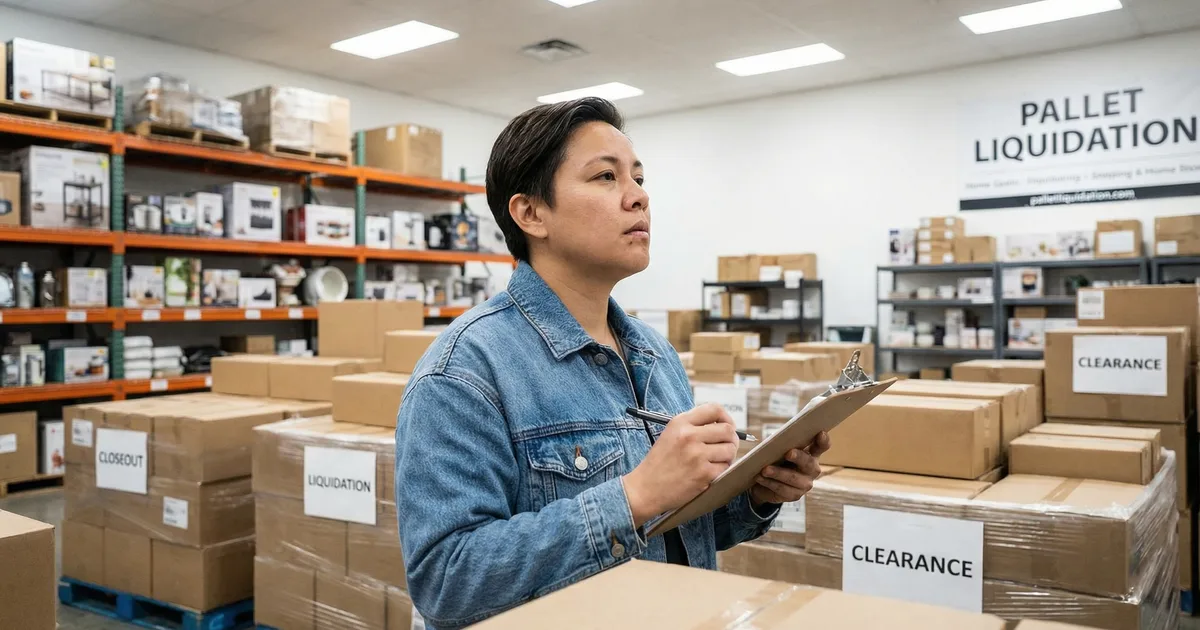
Buying liquidation items is genuinely one of the better ways to stretch a household budget. We are talking about brand-name products, furniture, appliances, tools, and everyday supplies sold at a fraction of their original retail cost. These goods come from store returns, overstock inventory, warehouse closeouts, and discontinued product lines, all the merchandise that retailers need to move fast, which means the prices drop dramatically for anyone willing to dig through it. But the key word there is "willing." Liquidation shopping rewards people who show up prepared. This article walks through exactly how to get your home ready before you ever walk into a bargain store or start browsing liquidation sales near me.
Understanding What Liquidation Items Are and Where to Find Them
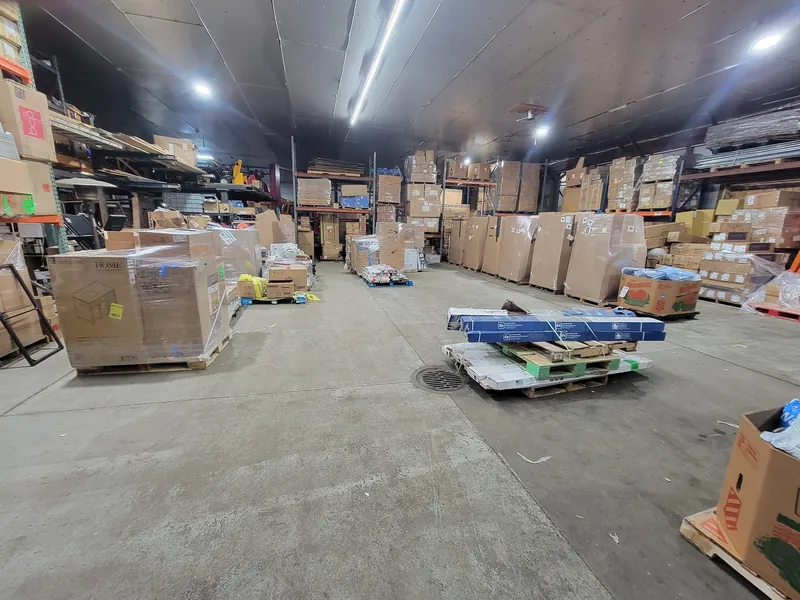
Not all discount stores are the same thing, and mixing them up leads to wrong expectations. A surplus store typically carries excess government or military inventory, industrial supplies, or bulk goods that a large organization needed to offload. A closeout store focuses on end-of-season merchandise and discontinued product lines from name-brand retailers, so you might find last year's kitchen appliances still in the box at sixty percent off. An overstock store deals in products that retailers ordered too many of, the stuff is perfectly new, it just did not sell fast enough. A discount outlet store can mean a lot of things depending on who is running it, but often it is a physical location attached to a brand's distribution chain. A true discount liquidation store pulls from all of these sources at once, so the inventory is mixed, unpredictable, and often genuinely wild. One visit you find a pallet of unopened cookware. Next time it is mostly garden hoses and office chairs.
Knowing which type of store you're walking into helps you calibrate your expectations before you spend a dime. Liquidation Store Pal's directory currently lists 247 businesses across multiple cities, and the average customer rating sits at 4.3 stars, which is honestly better than a lot of regular retail categories. Phoenix leads with 4 listings, Atlanta and New Castle each have 3, and South Gate and St. Peters each have 2. That spread matters because liquidation shopping is still very much a local, in-person activity for most people. You want to be able to touch the merchandise, check for damage, and load it into your car yourself.

Finding reputable stores used to mean word of mouth or stumbling across a place by accident. Directories like Liquidation Store Pal have changed that considerably. You can search liquidation sales near me and actually pull up verified businesses with real review counts instead of just hoping Google returns something useful. And honestly, the review data tells you a lot. A place like A&R Legendary Sales - Pallet Liquidation in Delta, OH has 114 reviews at a perfect 5.0 stars. Woocky Wholesale in Omaha, NE has 60 reviews also at 5.0. Ohio Wholesale Liquidation Services in Columbus, OH sits at 5.0 stars with 34 reviews. Peak Stack Wholesale in Round Rock, TX and Haus Origins Furniture Liquidation Outlet in Vineyard, UT round out the top-rated spots, both at 5.0 stars. These are not one-off lucky ratings. That kind of consistency across dozens of reviews tells you the store is worth the drive.
A 5.0-star rating with 4 reviews means almost nothing. A 5.0-star rating with 114 reviews like A&R Legendary Sales means the store is consistently delivering. Always look at both the rating and the number of reviews before you make a trip.
Assessing Your Home's Space and Storage Capacity Before You Shop
This is the step most people skip entirely. They figure they'll "find space" once they get home. That almost never works out the way they picture it.
Before your first trip to any discount outlet store or surplus store, spend an hour doing a real walkthrough of your home. Open every closet. Check under the beds. Walk into the garage and actually count how many empty shelving units you have versus how many are already packed. You are not cleaning right now, you are just looking. You want a clear mental picture of where things can actually go before you start buying things that need to go somewhere.
Measure things. Seriously, get a tape measure and write down the dimensions of your storage spaces. Measure door frames, hallways, and the actual floor space in your garage or basement. A lot of furniture and appliances sold at closeout stores come in big, heavy boxes, and it is miserable to find out the washing machine you just bought cannot make the turn into the laundry room. Measure the doorway. Measure the hallway. Measure the space where the item is going. Do this before you shop, not after.
Also think about which areas of your home actually need attention right now. Kitchen low on storage containers? Bathroom out of basics? Garage a total mess? Identifying those zones before you walk into a bargain store keeps you from blowing your budget on things that are cheap and fun to look at but do not solve any real problem you have. Focused shopping at a discount retail store beats wandering around grabbing random deals every single time.
One thing worth noting here: if you're also stocking up on food-adjacent items like canned goods or dry staples, some salvage grocery options in your area operate on a similar model to liquidation stores and can fill pantry gaps at steep discounts. That's a separate category from household goods, but it fits the same prep logic, know your storage space before you load up a cart.
Creating a Prioritized Shopping List and Setting a Budget
A shopping list for a liquidation store is different from a regular shopping list. At a grocery store, you know what you're going in for and you find it. At a discount liquidation store, the inventory changes constantly, sometimes weekly or even daily. So your list is less "buy these specific items" and more "these are the categories I am watching for."
Organize your needs into three tiers. First tier: things you actually need right now. A replacement vacuum cleaner. Storage bins for the closet you just reorganized. A working toaster because yours died last week. These are the must-finds. Second tier: upgrades you'd love to make if the price is right. Maybe better bed linens, a newer coffee maker, or a second set of towels. These are worth buying if you find them cheap enough, but you are not desperate. Third tier: long-term replacement items. A spare set of dishes in case yours break. Tools you'll need eventually for a home project that is six months away. These only make sense to buy if the price is genuinely ridiculous.
Budget-setting at overstock stores and surplus stores needs to account for the fact that you do not know what you are going to find. Set a per-trip cap, something like fifty or one hundred dollars depending on your situation, and a total monthly limit. This sounds obvious but it matters. Liquidation stores are genuinely exciting in a way that regular retail is not, and it is easy to spend two hundred dollars in twenty minutes without noticing. The prices feel so low that it stops registering as spending. A cart full of five-dollar and eight-dollar items adds up fast.
Research retail prices on your phone before you go. Look up what a decent set of silicone kitchen utensils costs at a regular store. Know what a mid-range oscillating fan typically runs. When you are standing in a closeout store holding something for twelve dollars that retails for fifty, you will know immediately whether you are holding a deal or just a cheap product that nobody wanted. That knowledge only comes from doing the research first.
Set your per-trip cap before you leave home, not in the parking lot. Once you're standing in front of shelves full of cheap goods, your judgment shifts. Decide the number when you're calm and at home.
Organizing Your Home to Receive New Items
Here is where the real prep work happens. You cannot just bring liquidation hauls home and stack them in a corner. Well, you can, but then you end up with that garage situation from the opening of this article, and nobody wants that.
Start by decluttering before you shop, not after. Go through your kitchen cabinets and pull out duplicates, broken things, and stuff you haven't touched in a year. Same with the bathroom, the linen closet, the junk drawer, all of it. Donate what is usable, sell anything worth selling, and throw out the rest. You are not just making space, you are also giving yourself a clearer picture of what you actually need. That directly feeds back into your shopping list for the discount outlet store.
Create what I'd call "landing zones" in your home. These are specific, pre-designated spots for specific categories of things. A shelf in the laundry room for cleaning supplies only. A bin in the garage for tools and hardware. A cabinet in the bathroom for extra toiletries and first aid items. A drawer in the kitchen for batteries, tape, and small hardware. When you come home from a surplus store with a bunch of random useful stuff, each item already has a home. Nothing sits on the counter for three weeks waiting for you to figure out where to put it.
Labeling makes this stick. You do not need a fancy label maker (though if you find one at a bargain store for three dollars, absolutely grab it). Masking tape and a marker works fine. Label your shelves and bins so that everyone in the household knows where things go. This matters especially if you shop liquidation sales frequently or buy in bulk. Rotating stock in the bathroom cabinet or the pantry shelf becomes automatic when everything has a labeled spot.
And clear some physical floor space before your next trip. Not metaphorical space. Actual square footage in your garage or spare room where you can set things down and sort through them before they get put away. Liquidation items sometimes need a little sorting, testing, or even light cleaning before they go into their permanent spots.
Inspecting and Testing Items Before and After Purchase
This section is where a lot of new liquidation shoppers lose money. Not big money, but annoying money.
In the store, before anything goes in your cart, check the box or packaging first. Is it sealed? Torn? Opened and re-taped? A re-taped box at a discount liquidation store could mean a return, which could mean missing parts. Open it right there if the store allows it. Count the parts against the list on the box. Check for cracks, dents, or anything that makes the product look like it had a rough trip through a returns warehouse. Check expiration dates on anything consumable, cleaning products, batteries, health items, food-adjacent goods. Some of these products have been sitting in a distribution center for eighteen months.
Electronics and appliances deserve extra scrutiny. If the store has an outlet available, plug it in. Test it. A lot of legitimate closeout stores and overstock stores will let you do a basic function test before buying. If they don't allow testing at all, factor that into your decision about whether the price is low enough to justify the risk.
At home, test everything within the first day or two. Do not let items sit in boxes for a week before you open them. If something is defective, you want to know immediately while the return window is still open, if there even is one. Many liquidation stores have limited or no return policies, so speed matters here. Plug in the lamp. Run the blender. Check that the vacuum actually has suction. Confirm the furniture parts are all present before you throw away the box.
Keep your receipts in one place. A folder, a drawer, a shoebox, whatever works. Mark each receipt with the date and what you bought. If you shop at multiple stores like you might when looking for liquidation sales near me across different neighborhoods, keeping your receipts organized also helps you track which stores consistently have quality merchandise and which ones have a higher rate of duds.
| Business Name | Location | Rating | Reviews |
|---|---|---|---|
| A&R Legendary Sales - Pallet Liquidation | Delta, OH | 5.0 ★ | 114 |
| Woocky Wholesale | Omaha, NE | 5.0 ★ | 60 |
| Ohio Wholesale Liquidation Services | Columbus, OH | 5.0 ★ | 34 |
| Peak Stack Wholesale | Round Rock, TX | 5.0 ★ | 23 |
| Haus Origins Furniture Liquidation Outlet | Vineyard, UT | 5.0 ★ | 22 |
One last thing about shopping at these places: the parking lots at some larger surplus stores can be genuinely chaotic, especially on weekends. People are loading heavy shelving units, pallets, and bulky appliances into minivans and pickup trucks. Go on a weekday morning if you can. You will have more space, more time with the staff, and sometimes first pick of a new shipment that came in overnight. That timing advantage is real.
Frequently Asked Questions
What is the difference between a liquidation store and a thrift store?
A thrift store sells donated items, usually clothing, books, and household goods, at low prices to support a charitable mission. A discount liquidation store sells overstock, returned, or surplus merchandise from retailers and manufacturers, often still in original packaging. Liquidation merchandise is usually newer and more consistent in quality, but you cannot always predict what category of goods will be in stock on any given day.
Is it safe to buy electronics from a closeout store or overstock store?
Yes, with some caution. Many electronics at closeout stores are brand new or lightly returned items that work perfectly fine. Check the packaging carefully for signs of tampering or damage, test the item as soon as you get home, and keep your receipt. If the store does not allow returns, factor the risk into your decision before buying.
How do I find liquidation sales near me?
Directories like Liquidation Store Pal list verified businesses with real customer reviews. Searching by city gives you a useful shortlist. Phoenix, Atlanta, New Castle, South Gate, and St. Peters are among the cities with the most listings currently. You can also check local Facebook groups, estate sale listings, and wholesale club newsletters for one-time liquidation events in your area.
How much space should I clear before shopping at a surplus store?
At minimum, clear enough space to receive and sort whatever you plan to buy. A dedicated area of about six to ten square feet in a garage or spare room works well as a staging area where you can open boxes, test items, and organize before putting things in their permanent spots. If you plan to buy bulk quantities, clear more.
Do liquidation stores have return policies?
It varies significantly by store. Some have standard return windows similar to regular retailers. Others sell everything as-is with no returns at all. Always ask before you buy, especially for electronics and appliances. Knowing the policy upfront lets you decide how much risk you are comfortable taking on a given item.
More Ways to Save
Find Liquidation Stores Near You
Browse our directory of 247+ businesses, including top-rated stores like A&R Legendary Sales and Woocky Wholesale, with real customer reviews and location details.
Search the