Navigating Liquidation Sales: A Comprehensive Resource for Shoppers

You've Probably Walked Past One Without Knowing It
Picture this: you're driving down a strip mall and you spot a store with a hand-painted sign in the window that says "Everything Must Go, Up to 80% Off." You slow down. You wonder if it's worth pulling in. Most people keep driving. But the ones who stop? They often walk out with a flatscreen TV for $60, a pile of brand-name kitchen gadgets still in the box, or enough furniture to fill a room at a fraction of what any regular retailer would charge.

Liquidation shopping is one of those things that sounds sketchy until you actually do it. Then you're hooked. This article is going to walk you through everything you need to know about finding and shopping at liquidation stores, bargain stores, closeout stores, and the whole ecosystem of discount retail that most shoppers completely ignore. We'll get into the real market data, specific strategies, and how to avoid common mistakes.
What Liquidation Stores Actually Are (And How They Differ From Each Other)
Most shoppers lump everything together under "discount store," but these store types are genuinely different from each other, and knowing the difference will make you a much smarter buyer.
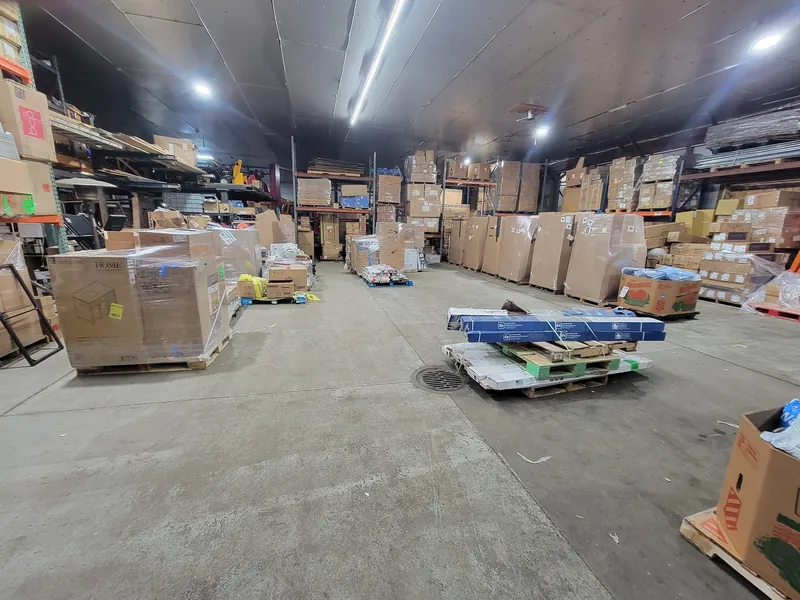
A liquidation store gets its inventory from businesses that need to move product fast. This could be a retailer closing down, a warehouse clearing space for new seasonal goods, or a company that ordered too much of something. The defining feature is that merchandise changes constantly and prices reflect the urgency to move it. You might go in one week and find pallets of unopened toys. Come back two weeks later and it's all appliances. That unpredictability is part of the appeal, honestly.
Closeout stores are slightly different. They specialize in buying the final runs of discontinued products from manufacturers and brands. Think of it like this: a clothing brand kills a product line because it didn't sell well, or a tech company discontinues a gadget model. Closeout stores scoop those up in bulk and sell them at a steep discount. Inventory is more consistent than pure liquidation, but you still won't find the same thing twice once it sells out.
Overstock stores deal specifically with excess inventory from retailers and manufacturers who simply ordered or produced more than they could sell. These items are usually brand new, in original packaging, and never used. Overstock shopping is probably the lowest-risk type of discount buying because product condition is generally excellent. The savings come from the retailer's logistical problem, not from any defect in the product itself.
Surplus stores tend to carry government, military, or industrial surplus, plus odds and ends from various sources. They're a bit more niche. Bargain stores and discount retail stores are broader categories that might pull from any of the above sources, mixing overstock with returns and closeouts on the same shelf.

Then there's the question of where the stuff actually comes from. Customer returns are a massive source of liquidation merchandise. Major retailers like Amazon, Target, and Walmart process millions of returns every year, and most of that product never goes back on the shelf. It gets bundled into truckloads and sold to liquidators. Some items are perfectly fine. Some have minor cosmetic damage. Some are completely broken. That's the mixed-condition reality of return-sourced goods.
Shelf pulls are another big category. These are items pulled from retail shelves to make room for new inventory or seasonal resets. They haven't been bought and returned; they've just been sitting on a shelf. Condition is usually very good. Discontinued product lines work similarly, and these often represent serious deals because the items are brand new and functional, just no longer being made.
Online liquidation platforms have grown a lot in recent years. Sites that sell pallets or individual lots let you buy liquidation items without leaving your house, but you do give up the ability to inspect before buying. For beginners, walking into a physical store first is smarter. You can see exactly what you're getting, feel the quality, and decide on the spot.
Different liquidation store types carry very different merchandise and have very different return policies. Always ask about return policy before you buy anything, especially electronics or open-box items. Some liquidation stores sell everything as-is with zero returns. Others will exchange defective items within a short window. Knowing this upfront saves a lot of frustration.
What the Data Actually Says About This Market
Here's something that might surprise you. Liquidation and discount retail isn't a fringe market. It's a real, growing industry with hundreds of businesses nationwide serving millions of shoppers every year.
Liquidation Store Pal currently lists 211 businesses across the country. Those stores carry an average customer rating of 4.4 stars out of 5. That's not a bad score for a type of retail that sometimes gets dismissed as low-quality or disorganized. It actually compares favorably to many standard retailers.
In practice, the top cities in the directory, each with two listings, include Vicksburg, Columbus, Las Vegas, Mooresville, and Indianapolis. That's an interesting spread geographically, right? Las Vegas makes intuitive sense given the volume of hotel and hospitality industry surplus in that region. But Vicksburg, Mississippi and Mooresville, North Carolina showing up alongside major metros tells you something about how wide the demand for discount liquidation stores really is. It isn't just big cities chasing deals.
Five stores have earned perfect 5.0-star ratings from real customers:
| Business Name | Location | Rating | Reviews |
|---|---|---|---|
| A&R Legendary Sales - Pallet Liquidation | Delta, OH | 5.0 ★ | 114 |
| Woocky Wholesale | Omaha, NE | 5.0 ★ | 60 |
| Ohio Wholesale Liquidation Services | Columbus, OH | 5.0 ★ | 34 |
| Peak Stack Wholesale | Round Rock, TX | 5.0 ★ | 23 |
| Haus Origins Furniture Liquidation Outlet | Vineyard, UT | 5.0 ★ | 22 |
A&R Legendary Sales in Delta, Ohio has 114 reviews and a perfect score. That's not luck. That's a business doing something right consistently. 114 people took time to leave a review, and not one of them gave less than the maximum. Worth paying attention to if you're anywhere near northwest Ohio.
Zooming out a bit, the secondary retail market overall has been growing steadily for years. Large retailers generate staggering amounts of excess inventory, and they'd rather sell it to liquidators at a loss than let it sit in a warehouse or send it to landfill. That pipeline keeps discount liquidation stores well-stocked and keeps prices low. Consumer interest in value-driven shopping has accelerated that trend, especially since inflation started biting household budgets harder.
Honestly, this market was growing before prices jumped. Budget-conscious shopping has always had a strong following. Rising costs just brought a lot of new shoppers into bargain stores and overstock stores who might not have looked twice before.
How to Actually Find Liquidation Sales Near You
Searching "liquidation sales near me" is a fine starting point, but it's just that: a starting point. You'll get a mixed bag of results that might include pop-up estate sales, permanent retail stores, and online-only sellers all jumbled together. You need a more targeted approach.
Business directories built specifically for this niche are far more useful. Liquidation Store Pal aggregates 211 verified store listings with customer ratings, location data, and store descriptions. Searching by city or zip code gives you a cleaner list than a generic search engine, and the reviews are specific to liquidation shopping experiences rather than general retail feedback.
After you find a few candidates, read the reviews carefully. You're not just looking at star averages. Read what people actually say. A 4.2-star store where reviewers mention "new inventory every Tuesday" and "great prices on electronics" tells you something useful. A 4.5-star store where every review just says "great place!" tells you almost nothing. Look for reviews that mention specific product categories, pricing observations, and how staff handled issues with damaged goods.
Social media is genuinely useful for this. Many discount liquidation stores post on Facebook when new pallets arrive or when they're running a flash sale. Following your local bargain store accounts takes about 30 seconds and can tip you off to deals before they're gone. Some stores do weekend-only sales or first-come-first-served events that never get listed anywhere else.
Community boards and local Facebook groups are another underrated source. Someone in your neighborhood probably already knows which closeout store gets fresh inventory on which day. People share this stuff freely once you're in the right local group.
If you're willing to drive, look at the city-based listings in Liquidation Store Pal. Cities like Columbus, Las Vegas, and Indianapolis each have multiple listings. One trip can cover two or three stores in the same area. Map your route before you go, call ahead to confirm hours, and check if any of the stores specialize in different categories so you're not seeing the same types of inventory twice.
Expanding your search radius is worth it for big purchases. If you want furniture or appliances at discount prices, Haus Origins Furniture Liquidation Outlet in Vineyard, Utah has 22 glowing reviews and a perfect rating. If you're doing a longer road trip or visiting that part of the state anyway, planning a stop is an easy decision. A discount outlet store specializing in furniture can save you hundreds on a single piece.
One thing that gets overlooked: calling the store directly before visiting. Ask what categories they're currently carrying, when they restock, and whether they have any sales coming up. Most stores are happy to answer. That two-minute call can save you a wasted trip and point you toward their best days to visit.
If you're also trying to stretch your grocery budget while you're out hunting deals, it might be worth knowing that salvage grocery stores operate on a similar model to liquidation retail, buying overstocked and near-date food products at deep discounts and passing those savings along. Worth having in your back pocket as another stop on a value-shopping day.
Smart Shopping Strategies That Actually Work
Walking into a surplus store or bargain store without a plan is how you end up buying three broken blenders and a set of decorative plates you'll never use. Not that that's happened to anyone writing this article. Definitely not.
Set a hard budget before you walk in. This sounds obvious but it's genuinely hard to stick to in these stores because the deals feel so good. A $200 budget can stretch into $400 of spending very quickly when everything is priced at 60% off retail. Decide on a number, put that much cash in your pocket if you need the physical reminder, and do not go over it.
Make a priority list. What do you actually need versus what would just be nice to have? Write it down on your phone before you go. When you're standing in the store holding a box of something you didn't come for, that list is the voice of reason. Electronics, appliances, and tools are almost always worth prioritizing because the savings at a good overstock store can be enormous. Clothing and shoes are harder because sizing and style are so personal.
Research retail prices before you go. Sounds like extra work, but knowing that a certain brand of air fryer normally sells for $120 means you immediately recognize a $35 price tag as a genuine deal rather than just assuming it is. Stores know shoppers often don't have comparison prices memorized, and while most legitimate liquidation stores price honestly, you want to verify.
In-store, inspect everything. Open boxes. Check for cracks, missing parts, torn packaging. For electronics, ask if the store has a test area or if you can plug something in before buying. Many good stores will accommodate this. If they won't let you test a $50 piece of electronics, that's information worth having before you hand over money.
Grading systems are used by many stores that sell returned merchandise. Common grades run something like Grade A (like new, no visible defects), Grade B (light wear, fully functional), Grade C (visible damage, may need repair), and salvage (parts only or unknown function). Not every store uses the same labels, so ask what their grading means specifically. A "Grade B" at one store might be pristine. At another it might mean the item has been dropped.
Timing matters more than most shoppers realize. Many stores receive new inventory on specific days of the week. Tuesdays and Thursdays are common restock days for stores that buy regular truckloads from retailers. Getting there early on restock days, before the regulars have already picked through everything, makes a real difference. This is the kind of tip that sounds small but changes your results entirely.
Product categories with consistently deep discounts at liquidation stores include small kitchen appliances, housewares and cookware, tools and hardware, seasonal items, and toys. Electronics can be great deals but carry more risk because of condition variability. Clothing is hit or miss. Furniture at a dedicated furniture liquidation outlet is often excellent value, especially for solid pieces from name brands.
Buying for Resale: What You Need to Know
A growing number of shoppers aren't just buying for personal use. They're buying liquidation items to resell on platforms like eBay, Facebook Marketplace, or local flea markets. It's a legitimate small business model, and a good one if you do it carefully.
Lot and pallet purchases are the main path for resellers. You buy a mixed pallet of goods, usually sight-unseen or from a manifest (a list of what's supposed to be in the lot), and then sort through it to resell individual items. A&R Legendary Sales in Delta, Ohio is built around exactly this model, and with 114 five-star reviews, they're clearly doing it right.
Before buying a pallet, calculate your per-unit cost. If a pallet costs $300 and contains 60 items, you're paying $5 per item on average. Then estimate what percentage of those items will actually be resellable, and at what price. If 30% are damaged beyond resale and the sellable items go for $15 each on average, you're looking at 42 items times $15 equals $630 in potential revenue against a $300 cost. That's a decent margin, but you have to factor in your time, selling fees, and shipping.
Mixed-condition pallets are inherently risky. Typically, the manifest doesn't always match reality. Some liquidation businesses are more reliable than others about what's in a lot. This is where ratings and reviews matter enormously. A business with 60 reviews and a 5.0 rating like Woocky Wholesale in Omaha is telling you that lots of buyers have had good experiences with them repeatedly. That track record is worth more than a low price from a business with no reviews.
Start small as a reseller. Buy one pallet, sort it, sell what you can, and calculate your actual profit. Then adjust. Don't commit to buying three pallets a month until you've proven the math works with your specific setup, your time, and your selling channels. Patience here pays off more than enthusiasm.
Check whether a liquidation store offers manifested pallets (with a detailed list of contents) versus unmanifested lots (blind buys). Manifested pallets are lower risk because you can estimate value before buying. Unmanifested lots are cheaper per item but much harder to predict. Both have their place, but beginners should start with manifested.
One more thing on the resale side: certain categories move much faster on secondhand platforms than others. Small kitchen appliances, brand-name tools, baby gear in good condition, and video games tend to sell quickly. Bulky furniture is harder to resell unless you have local buyers lined up. Clothing resale depends heavily on brands and condition. Know your selling channel before you buy for resale, because what sells fast on eBay is different from what sells fast at a flea market.
And if you're building a res