Overstock, Returns, and Closeouts: The Real Story Behind Liquidation Stores
247 verified listings averaging 4.3 stars. That tells you something real: people are finding genuine value at liquidation stores, and a lot of them are coming back. These aren't the dusty, disorganized surplus sheds they used to be. Many are well-run operations with fresh truckloads arriving weekly, clear pricing, and product variety that honestly surprises first-timers.

But there's a learning curve. Knowing what a liquidation store actually is, where the merchandise comes from, and how it differs from an outlet or thrift shop will save you time and help you walk out with things you actually want.
What a Liquidation Store Actually Is
A liquidation store sells merchandise that retailers, manufacturers, or warehouses need to move fast. That includes overstock (products a retailer ordered too many of), closeout items (goods from a discontinued line), and customer returns. Big-box chains like Target, Walmart, and Amazon sell pallets of this merchandise to liquidators at a fraction of retail cost, and those savings get passed on to you.
The pricing reflects that. Discounts of 40% to 80% off retail are common. Some items come in unopened original packaging. Others are customer returns that may show signs of use or missing accessories. That range is exactly why understanding what you're buying matters more here than at a regular retailer.
One thing worth knowing: the inventory turns over fast, sometimes within days. A liquidation store isn't stocking shelves the way a grocery store does. What's there on Tuesday might be gone by Friday. Go often if you're looking for something specific, or you'll miss it.
What to Expect When You Walk In
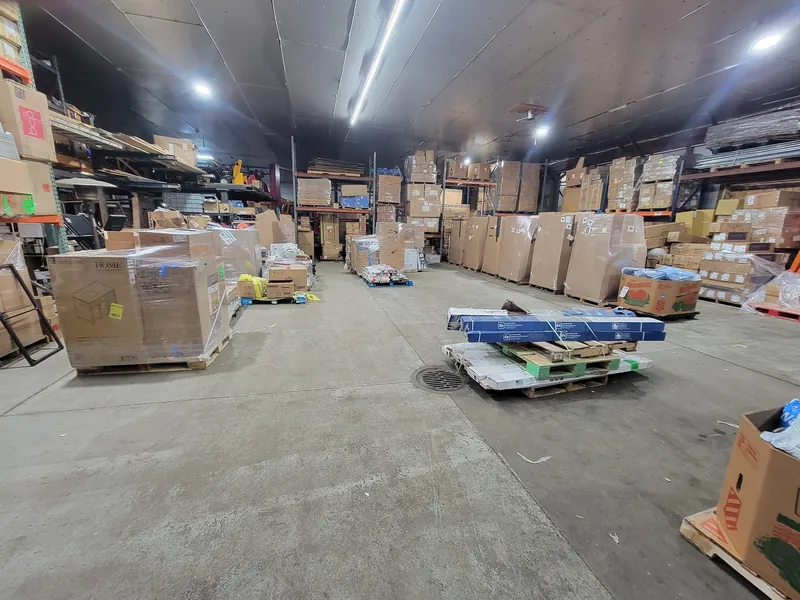
Walking into one for the first time, the layout can feel a little chaotic. Shelves are stocked based on what came in, not by tidy department. You might find a Keurig next to a set of throw pillows next to a box of protein bars. That's not a flaw in the system. It's just how these places work.
Most liquidation stores sort merchandise by condition. Common categories include shelf-pulls (items removed from store shelves but never sold, usually in perfect shape), customer returns (condition varies), and salvage (damaged goods sold as-is, often for parts or crafty repurposing). Some stores label these clearly. Others do not. Ask if you're not sure which category something falls into before you buy.
Pricing systems also vary. Some stores price every item individually. Others price by the bin, where everything in a particular container is one flat rate, say $5 or $10 each. Bin stores are their own subculture, honestly. Regulars show up on restock day with serious energy.
And yes, the parking lots at some of these places are genuinely packed on restock days. People know the schedule and plan around it.
How Liquidation Stores Differ From Outlets and Thrift Shops
Outlet stores sell products directly from a manufacturer, usually last season's inventory or items made specifically for the outlet channel. Prices are lower than retail, but you're still buying new, consistent merchandise from one brand. That's a different experience entirely.
Thrift stores sell donated goods. Quality varies wildly, prices are usually very low, and you might find a gem or you might find nothing useful. But the merchandise comes from individual donors, not retail supply chains.
Liquidation stores sit in their own category. You're getting recent retail merchandise, often within the same year it was sold at major chains, at steep discounts. A returned Instant Pot that someone opened and never used can show up on a liquidation shelf at $25. That's the draw.
I would choose a liquidation store over a thrift shop any day if I'm looking for electronics, kitchen gear, or tools. The sourcing is more predictable, and the condition is generally better documented.
Tips for Getting the Most Out of These Stores
- Check the condition category before you assume something is new. Shelf-pulls and customer returns look similar in the box but are not the same thing.
- Bring your phone. Look up retail prices on the spot so you actually know whether a deal is a deal.
- Ask staff when new pallets arrive. Most stores have a restock schedule and staff will tell you if you ask directly.
- Inspect items that matter. Clothing, small appliances, and opened goods deserve a closer look before you commit.
- Do not assume missing parts can be replaced cheaply. Sometimes they can. Sometimes a $30 item becomes useless without a $60 proprietary component.
Liquidation stores reward patience and repeat visits. You're not going to walk in once and find exactly what you need every time. But if you go regularly and know what you're looking at, these places consistently deliver real value on things you'd otherwise pay full retail for.
Frequently Asked Questions
Are the products at liquidation stores real or counterfeit?
Reputable liquidation stores source directly from major retailers and wholesalers. Counterfeits are not a standard concern the way they might be at an unverified street market. That said, you're buying as-is in many cases, so inspect before you buy.
Can you return items at a liquidation store?
Policies vary significantly by store. Many sell everything as final sale, especially in bin sections. Check the return policy posted at the register before you buy anything you're unsure about.
Why do prices change so often?
Because inventory changes constantly. A store might mark down items that have been sitting for a week to clear space for a new pallet. Prices dropping over time is common and expected in this format.
Is everything at a liquidation store damaged?
No. A large portion of liquidation merchandise is overstock or shelf-pulls in perfect, unopened condition. Customer returns and salvage items are also present, but they're usually a portion of the inventory, not all of it.
How do I find a good liquidation store near me?
Start with verified listings. Liquidation Store Pal's directory covers 247+ locations with real ratings from people who've been there, which cuts down the guesswork considerably when you're trying to find a reliable store in your area.
Liquidation stores aren't for every trip. But for