Trends in Discount Retail: What's Hot in Liquidation Stores

You're Tired of Paying Full Price. So Is Everyone Else.
You walk into a regular retail store, pick up something ordinary, a blender, a pair of work boots, a set of bed sheets, and just kind of stare at the price tag for a second. Not because you can't afford it. More because it feels wrong. Like the number on the tag doesn't match the thing you're holding. That feeling? It's not just you. Millions of shoppers have started asking whether there's a smarter way to buy, and a lot of them are ending up at the same answer: liquidation stores, overstock stores, bargain stores, and closeout outlets that sell the exact same caliber of product for a fraction of the cost. This article breaks down what's happening in that world right now, what's selling, who's shopping, and how to find the best spots near you.
What Even Is a Liquidation Store?
Fair question. A lot of people use the terms interchangeably and they're mostly right to do it, but there are some real differences worth knowing. A liquidation store typically sells merchandise that retailers need to move fast, returned items, overstock, shelf pulls, and sometimes salvage goods that didn't quite make it to store shelves the first time. A closeout store focuses on end-of-line products, things a manufacturer or retailer is discontinuing. An overstock store deals primarily in surplus merchandise, products that got ordered in too large a quantity and need to go somewhere.
All of these fall under the broader category of discount retail, and they share one important trait: the inventory wasn't supposed to end up there. It got rerouted. And because of that rerouting, the prices are usually shockingly good.
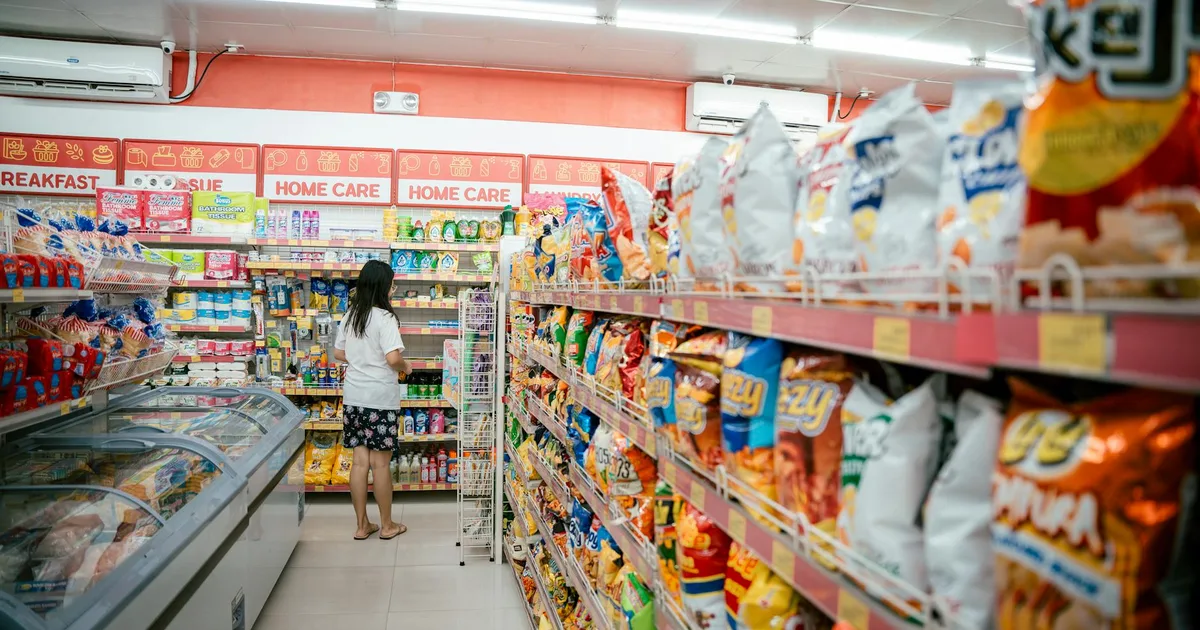
What makes a discount liquidation store different from, say, a dollar store or a thrift shop is the sheer variety and the quality floor. You might find a KitchenAid mixer sitting next to a box of phone cases sitting next to a pallet of power tools. Inventory shifts constantly. That unpredictability is actually part of the appeal, walking into one of these places feels a little like a treasure hunt, and honestly that's not a bad way to spend an afternoon.
Why Discount Retail Is Growing So Fast Right Now

A few things converged at once to make this industry explode. Inflation hit hard and hasn't fully let go. Supply chains went haywire during and after the pandemic, and retailers ended up with massive overstock on certain categories while running dry on others. All that excess merchandise had to go somewhere, and a lot of it flowed into the surplus store and liquidation channel.
At the same time, shopping habits shifted. People got comfortable buying things online without seeing them first, which means return rates for e-commerce spiked. Some estimates put return rates for online purchases at 20 to 30 percent in certain categories. All those returns, most of them perfectly usable, many of them unopened, get bundled into lots and sold through liquidation channels because it's not worth it for big retailers to restock them individually.
And here's the part that a lot of people don't realize: that returned merchandise often looks brand new. Sometimes it literally is brand new. The box got dinged in shipping, someone changed their mind, or a store over-ordered before a season ended. None of that affects whether the product actually works.
Searches for "liquidation sales near me" have been climbing steadily for years. People want local options. They want to walk in, feel the product, load it into their car. The demand is real and it's geographic, communities in Phoenix, Atlanta, Columbus, and dozens of other cities are seeing more of these stores open up, and the ones already operating are doing strong business.
By the Numbers: What the Liquidation Store Pal Directory Shows
Liquidation Store Pal currently lists 247 businesses across its directory, with an average customer rating of 4.3 stars. That's not a bad number. For context, a lot of standard retail chains hover around 3.8 or 3.9 on third-party review platforms. A 4.3 average across 247 discount retail stores suggests that shoppers are genuinely happy with what they're finding, not just tolerating it.
Looking at city-level data, Phoenix leads with 4 listings, followed by New Castle and Atlanta with 3 listings each, and South Gate and St. Peters with 2 listings apiece. That geographic spread matters. It tells you this isn't a niche coastal phenomenon, it's happening in the Southwest, the Southeast, the Midwest, and the mid-Atlantic corridor all at once.
Some individual stores in the directory are putting up remarkable numbers. A&R Legendary Sales, a pallet liquidation business in Delta, Ohio, carries a perfect 5.0 stars across 114 reviews. That's a lot of reviews to maintain a perfect score on. Woocky Wholesale in Omaha, Nebraska sits at 5.0 stars with 60 reviews. Ohio Wholesale Liquidation Services in Columbus, Ohio has 34 reviews and a 5.0 rating. Peak Stack Wholesale in Round Rock, Texas and Haus Origins Furniture Liquidation Outlet in Vineyard, Utah round out the five-star club, each with over 20 reviews.
That's five separate businesses across five different states, all at perfect ratings. Something is clearly going right in this industry.
| Business Name | Location | Rating | Reviews |
|---|---|---|---|
| A&R Legendary Sales - Pallet Liquidation | Delta, OH | ⭐ 5.0 | 114 |
| Woocky Wholesale | Omaha, NE | ⭐ 5.0 | 60 |
| Ohio Wholesale Liquidation Services | Columbus, OH | ⭐ 5.0 | 34 |
| Peak Stack Wholesale | Round Rock, TX | ⭐ 5.0 | 23 |
| Haus Origins Furniture Liquidation Outlet | Vineyard, UT | ⭐ 5.0 | 22 |
What's Actually Selling: Hot Categories Right Now
Walk into any busy discount outlet store and you'll notice certain categories dominate the floor space. Electronics are almost always there, open-box TVs, returned Bluetooth speakers, phone accessories, laptop bags, charging cables by the bin. Home goods are enormous right now: cookware, small appliances, bedding, storage bins, picture frames. Tools move fast, especially power tools from name brands. And apparel, particularly seasonal clothing that didn't sell through, fills racks in most of these places.
Furniture liquidation is worth calling out specifically. Stores like Haus Origins in Vineyard, Utah are proof that there's a real market for discounted furniture. Big-box stores and online furniture retailers deal with massive return rates because sofas and dining sets are hard to ship without damage, and a small scratch or a misaligned leg means the product can't go back on a regular shelf. But that scratch doesn't mean you shouldn't buy it. It means you might get a $600 coffee table for $140.
Seasonal inventory is one of the most reliable categories to watch. After major holidays, Christmas, back-to-school, Halloween, a wave of unsold seasonal merchandise hits the liquidation channel hard and fast. If you're flexible on timing, you can buy holiday decorations in January for almost nothing and have them ready for next year. Not glamorous, but it works.
Liquidation merchandise is usually sorted into condition grades. Grade A means like-new or unopened. Grade B means tested and working but may show wear. Grade C covers items that are damaged or untested. Always ask the store how they grade their inventory before buying in bulk. A pallet of Grade A electronics and a pallet of Grade C electronics are very different investments even at similar prices.
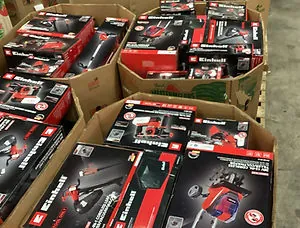
Pallet buying is where things get interesting for more serious shoppers. Instead of picking individual items, you bid on or buy entire pallets of mixed merchandise, sometimes a few hundred pounds of product for a few hundred dollars. It's a gamble. You might open a pallet of returned electronics and find three items that resell for $200 each, or you might get a pallet of broken humidifiers. Most experienced buyers start with individual items to learn a category before moving to pallets. That's just the smarter path.
The Reseller Economy: Real People Making Real Money
Something shifted in the past five or six years. Reselling stopped being a side hustle that people whispered about and became a genuine business model that a lot of folks pursue full-time. And liquidation stores are the engine behind a huge chunk of it.
Here's how the basic model works. A reseller finds a discount liquidation store or a wholesale liquidation operation like the ones listed in this directory. They buy items individually or in bulk lots. They sort through the inventory, test what needs testing, photograph the good stuff, and list it on eBay, Amazon, Facebook Marketplace, Poshmark, Mercari, or at a local flea market. Profit comes from the spread between what they paid and what buyers are willing to pay retail.
In practice, the margins can be genuinely good. A returned Instant Pot that cost $12 from a liquidation pallet can list for $45 on Facebook Marketplace. A set of like-new tools bought for $30 might move for $90 at a flea market. Multiply that across a weekend's worth of inventory and you're looking at real income.
Directories like Liquidation Store Pal have made it easier to find reputable sources. Knowing where to find liquidation stores in your specific metro area used to require word of mouth or stumbling across a place by accident. Now you can search by city, check the ratings, read reviews, and show up with a plan. That lower barrier to entry is why more people are trying this out.
On a similar note, if you're into discount sourcing more broadly, salvage grocery stores are worth exploring as a parallel channel. They operate on similar principles (overstock, closeout, surplus food products) and some resellers who focus on pantry goods have built solid businesses through that route too.
A good reseller builds relationships with store owners. If you show up regularly, buy consistently, and aren't a pain to deal with, some stores will give you early access to new pallets or call you when a specific category comes in. That relationship piece is underrated. A lot of the best deals never make it to the general floor.
How to Find the Best Liquidation Stores Near You
Start with a directory. That sounds obvious but it matters because not all liquidation stores have strong web presences. Many operate out of warehouses or industrial spaces with minimal signage and no Google Ads budget. Searching "liquidation sales near me" on Google will get you some results, but a dedicated directory gives you verified listings, ratings, and contact information in one place.
Once you have a shortlist, check the ratings and read actual reviews. Not just the star number. Read what people say. Reviews on bargain stores and wholesale operations tend to mention specific things: whether the staff is knowledgeable about inventory grades, whether the prices are fair, whether the place is organized or a disaster to shop in. Pay attention to those details.
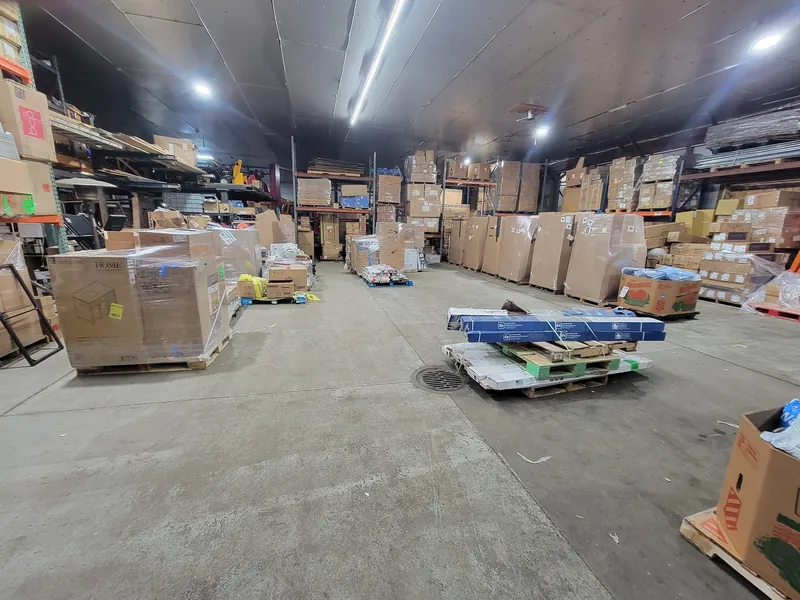
Visit in person before buying in bulk. Every store has its own personality. Some are immaculate, well-organized operations with clearly labeled condition grades and return policies. Others are controlled chaos, bins everywhere, no obvious pricing, staff that doesn't know what came in last week. Neither type is automatically bad, but you need to know which one you're dealing with before you spend serious money.
Liquidation Store Pal lists 247 businesses across the U.S. with verified ratings averaging 4.3 stars. Sort by city or rating to find highly-rated discount retail stores near you. Stores with 30+ reviews and ratings above 4.5 are usually a safe starting point for first-time buyers.
Ask about their sourcing. Reputable stores will tell you where their merchandise comes from, big-box retail returns, manufacturer overruns, Amazon return pallets, estate sales. Vague answers or reluctance to explain the supply chain is worth noting. Not necessarily a dealbreaker, but worth noting.
Also, and this is slightly random but genuinely useful: check the parking lot situation before you commit to a bulk buying trip. Some of the best wholesale liquidation warehouses are tucked into industrial parks with tight loading situations, and showing up in a sedan when you need a pickup truck makes for a rough afternoon. Call ahead if you're planning to haul anything heavy.
If you're a reseller, consider making a spreadsheet of the stores in your area with notes on visit dates, what categories they typically carry, their pricing structure (per item vs. per pound vs. per pallet), and their return policies if any. A few visits in, you'll start to see patterns in what each store does well. Some places are great for tools and terrible for apparel. Some have killer electronics one month and nothing interesting the next. That pattern knowledge is actually your competitive edge over the casual shopper who just walks in cold.
For shoppers who are just looking to stretch their household budget, the same general advice applies: find a highly-rated discount retail store near you, go in without a fixed list, and keep an open mind. You're not guaranteed to find exactly what you need on any given visit. But you'll almost certainly find something worth buying, and you'll pay less than you would anywhere else.
What the Industry Looks Like from Here
Retail return rates are not going down. E-commerce is not shrinking. Inflation may ease but shopping habits that formed in tight-budget years tend to stick. All of that points toward continued growth in the liquidation and surplus store channel, not a pullback.
Small and mid-size liquidation operations have room to grow because they do something big-box discounters can't: they move fast, stock weird things, and give shoppers the thrill of not knowing what they'll find. That experience has real value, and the 4.3-star average across 247 listings in this directory suggests customers agree.
If you're considering starting a reselling business, or if you just want to buy liquidation items without getting burned, the tools to do it well are right in front of you. A solid directory, verified reviews, and a little patience go a long way. And if you're in Phoenix, Atlanta, Columbus, or any of the other cities with strong directory representation, you've got options.
Worth mentioning again: if you're building out a broader discount sourcing practice, checking out what's available through salvage grocery channels alongside your liquidation shopping can round out what you're able to source and resell. Different channel, same underlying logic.
Good deals are out there. You just need to know where to look and how to evaluate what you find.
Frequently Asked Questions
What is the difference between a liquidation store and a thrift store?
A thrift store primarily sells used goods donated by individuals, usually clothing, books, and household items. A liquidation store sells overstock, returned merchandise, and surplus items sourced directly from retailers, manufacturers, or e-commerce return centers. Liquidation stores often carry brand-new or like-new products, while thrift stores typically carry previously owned items. Pricing structures are also different; liquidation stores may sell by the pallet or lot in addition to individual items.
Are products in liquidation stores safe to buy?
Generally yes, but it depends on the category