Bulk Buying at Liquidation Stores: When Bigger Quantities Actually Pay Off

Ever wondered if grabbing more than you need is actually worth it? At liquidation stores, buying in larger quantities is often one of the smartest moves you can make, but only if you know what to look for and when to pull the trigger.

Liquidation stores work differently from regular retail. Stock turns over fast, prices are already marked way down, and there's no guarantee that item will be there next week. That unpredictability is actually what makes bulk buying so useful here. If you find something good, getting more of it right now often beats coming back for a second trip.
Why Bulk Discounts Hit Different at Liquidation Stores
Most liquidation stores are trying to move product quickly. They are not interested in holding inventory. That pressure works in your favor when you're willing to take a larger quantity off their hands in one go.
A lot of these places will drop the per-unit price noticeably when you ask about buying a case or a lot of something. We're talking 10 to 30 percent off an already-reduced price in many cases. That stacks up fast on everyday items like cleaning supplies, paper goods, canned food, or personal care products.
Worth noting: not every store advertises bulk pricing. Sometimes you just have to ask the staff directly. Walk up, point at the stack of dish soap or the bin of laundry pods, and ask if there's a better price for taking the whole thing. You'd be surprised how often the answer is yes.
Across the 247+ verified listings on Liquidation Store Pal, a big chunk of stores carry consumable goods that genuinely make sense to buy in volume. Consumables are the sweet spot for bulk buying because you will use them eventually no matter what.
What Actually Makes Sense to Buy in Bulk
Not everything is a good candidate. Bulk buying works best when the item is something you use regularly, does not expire quickly, and does not take up so much space that it becomes a problem at home.
Good categories to target:
- Cleaning products (dish soap, surface spray, laundry detergent)
- Paper products (paper towels, toilet paper, napkins)
- Non-perishable food (canned goods, pasta, rice, coffee)
- Personal care basics (shampoo, conditioner, body wash, razors)
- Pet food and supplies, if the brand matches what your pet already eats
Skip bulk buying for anything with a short shelf life, anything seasonal that you might not use again, or anything you've never tried before. Buying 24 bottles of a conditioner you've never used is a gamble. Buy one first. Come back for the rest if you like it. And yes, these stores usually do hold stock for at least a few days if you ask nicely.
Okay, that last part is not guaranteed. But it happens more often than people expect.
How to Negotiate and Calculate on the Spot
Do the math before you commit. Pull out your phone and figure out what you'd pay per unit at a regular grocery store or big-box retailer. Then compare that to what the liquidation store is offering per unit at the bulk price. If you're saving 40 percent or more per unit, it's usually a solid deal.
Keep a few numbers in your head going in. Regular retail prices for your most-used household staples. Storage space you have available. Expiration dates on perishables. These three things together will tell you whether a bulk deal is actually a deal or just a lot of stuff you don't need.
Negotiating feels awkward the first time. It gets easier. Most liquidation store staff expect it, especially for larger quantities. A simple "is there a better price if I take all of these?" is enough to open the door. Worst case, they say no and the price is still probably pretty good.
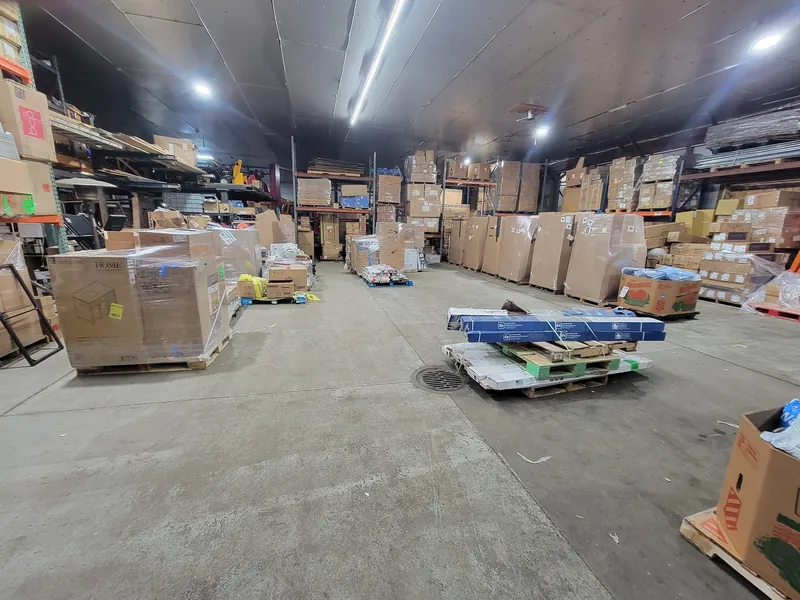
One thing that catches people off guard: liquidation stores sometimes price items by the lot rather than individually. You'll see a pallet price or a box price with no per-unit label. Do not walk away confused. Ask them to break it down. Any good store will tell you what you're actually paying per piece.
Storing Your Haul Without Losing Your Mind
Bulk buying only saves you money if the stuff doesn't go bad in your garage. Storage planning is part of the strategy, not an afterthought.
A few practical rules:
- Check expiration dates before buying large quantities of anything with a shelf life
- Keep liquids away from heat and direct sunlight, especially cleaning products and shampoo
- Rotate stock so older items get used first
- Use clear plastic bins to keep bulk goods organized and visible
Funny thing about buying in bulk: the savings can feel abstract until you realize you haven't bought paper towels in three months. That's when it clicks.
Liquidation stores are not designed for leisurely browsing. Stock moves. Prices change. A good deal today might be gone by Saturday. Buying more when the price is right is not hoarding; it's just smart timing.
Frequently Asked Questions
Do all liquidation stores offer bulk discounts?
Not all of them have a formal bulk pricing policy, but many will negotiate if you're willing to ask. It varies by store and by the specific product. Asking costs nothing.
What's the minimum quantity that usually qualifies for a bulk deal?
It depends on the store, but a common threshold is buying a full case, a box, or a pallet rather than individual units. Some stores will offer a slight discount for as few as six or twelve of an item.
Is bulk buying at a liquidation store safe in terms of product quality?
Generally yes, as long as you check expiration dates and inspect packaging for damage before buying. Liquidation goods are often overstock or returns, not defective products. Just look before you commit.
Can I return bulk purchases if something is wrong?
Return policies at liquidation stores vary widely. Many have limited or no-return policies. Check the policy posted at the store before you buy in volume, especially for anything you cannot inspect thoroughly on the spot.
More Ways to Save