Buying More to Spend Less: The Bulk Strategy That Actually Works at Liquidation Stores

Ever wonder why some people walk out of a liquidation store with a cart stacked high while you're carrying two items? They figured something out early. Buying in bulk at a liquidation store isn't just about grabbing quantity; it's one of the few shopping strategies where the math genuinely works in your favor, often in ways that aren't obvious until you're standing at the register.

Why Liquidation Stores Reward Quantity
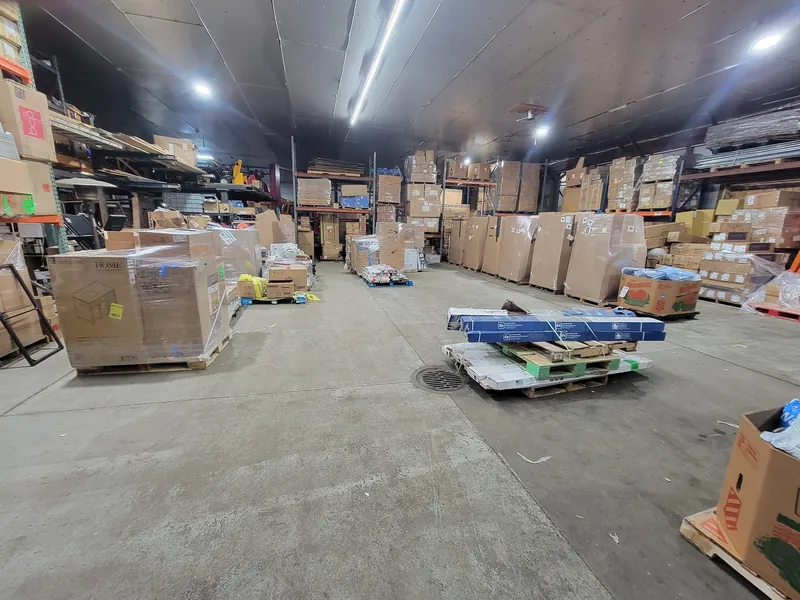
Liquidation stores operate differently from regular retail. Their inventory arrives in pallets, lots, and truckloads, and the goal is to move product fast. That creates a situation most retail stores don't offer: the more you take off their hands, the more flexibility a store has to drop the price.
Okay, so here's something a lot of first-timers miss entirely. Many liquidation stores don't advertise their bulk discounts on signs. You have to ask. Walk up to someone working the floor and say, "If I grab ten of these, what can you do on price?" More often than not, they have room to move.
This isn't a trick. It's just how these places are structured. A store that bought 500 units of something for pennies on the dollar would rather sell you 20 of them at a small discount than store the remaining 480 in a back room for another month. Time is a real cost for liquidation stores, and buyers who understand that have an edge.
At Liquidation Store Pal, with 247+ verified listings and an average rating of 4.4 stars, a lot of the highest-rated stores specifically note their willingness to negotiate on volume. That's not a coincidence. The stores that treat bulk buyers well tend to build loyal customers who come back regularly.
What to Actually Buy in Bulk (and What to Skip)
Not everything is worth grabbing in large quantities. Some things are obvious wins. Non-perishable household goods, cleaning supplies, paper products, shelf-stable food items, and basic tools are almost always smart bulk buys. They don't expire quickly, they're easy to store, and you'll use them eventually no matter what.
Electronics and appliances are trickier. Buying two of something is reasonable if you've tested one and it works. Buying twelve untested units is a gamble, and it's not a gamble worth taking unless you're reselling or you've got a very specific reason.
Clothing in bulk can work well if you're buying basics like socks, undershirts, or work gloves. Buying ten of the same graphic tee in one size is... a different story. Unless that's your thing. No judgment.
One genuinely underrated bulk category at liquidation stores: seasonal items bought out of season. A liquidation store stocking holiday decorations in January is practically giving them away. Buy enough for the next two or three years and you've saved yourself real money. Sounds obvious when you say it out loud, but most people walk past those bins entirely.
And here's a small thing worth knowing: watch the price tags at these places. Some liquidation stores use color-coded tags by week or arrival date. If you're buying in bulk, going for items with older tag colors often means the store is even more motivated to clear them out, which gives you more leverage when you ask about a volume price.
How to Negotiate Without Making It Awkward
Some people freeze up at the idea of asking for a discount. That's understandable. But at a liquidation store, it's genuinely expected. These aren't big-box retail employees with strict pricing rules; many of them are authorized to make deals on the spot.
Keep it simple. Pick your items, count them out, and approach a staff member or the manager at the register before you ring up. Say something like: "I've got fifteen of these. Is there a better price if I take them all?" That's it. You're not haggling over a car. You're having a 30-second conversation.
Wait, that's not quite right to frame it as negotiation at all. It's really just asking a question. Most of the time, the answer is either yes or a small counter-offer. Rarely is it a flat no.
If you're a repeat visitor to the same store, mention it. "I come in pretty regularly" carries weight. Liquidation stores love steady customers who buy volume, because those customers are predictable and low-effort compared to one-time browsers.
Bringing cash can also open doors. Some of these stores prefer it for larger transactions, and offering to pay cash for a bulk order sometimes gets you an extra few percent off that a card payment wouldn't.
Making Bulk Buying Part of Your Routine
Going once and loading up is fine. But building bulk buying into a regular habit at a good liquidation store is where the real savings compound over time.
Pick two or three product categories you buy consistently, and make those your targets every visit. Cleaning supplies, pantry staples, personal care items. Every time you see them at a liquidation store at a price that makes sense, grab multiples. Over a year, that habit can easily save hundreds of dollars compared to buying the same items at full retail price.
It also helps to keep a rough mental list of what you already have at home. Buying 20 bottles of dish soap sounds great until you realize you already have 15 under the sink. Good bulk buying requires a little awareness of your actual consumption rate. Buy what you'll genuinely go through in a reasonable timeframe.
Liquidation Store Pal makes it easier to find stores that are worth the trip. Reading reviews on individual listings often reveals which locations regularly stock certain product types, which helps you plan before you walk in the door. A store with strong reviews for household goods is probably a better bet for bulk cleaning supplies than one that mostly carries clothing.
Go in with a plan, ask the right questions, and don't be shy about filling that cart. The stores in this directory are built for exactly this kind of buyer.