How to Find the Best Bargain Stores in Your Area: A Complete Guide

Most people assume bargain shopping means settling for junk. That's completely wrong, and the numbers prove it.

Liquidation stores, closeout stores, and overstock stores have quietly become one of the smartest ways to buy everyday goods, furniture, electronics, and groceries at a fraction of retail price. This isn't a fringe hobby anymore. Bargain shopping has grown into a real consumer strategy that a lot of financially savvy people swear by, and directories like Liquidation Store Pal now list over 211 verified discount retail stores across the country, averaging a pretty impressive 4.4-star rating from real customers. That kind of score doesn't happen when stores are selling garbage. Something interesting is going on here, and this guide is going to walk you through exactly how to find these stores near you, figure out which ones are worth your time, and make the most of every trip.
Understanding the Different Types of Bargain Stores
Before you go hunting for liquidation sales near you, it helps to know what you're actually looking for, because these stores are not all the same thing. People use the terms interchangeably, but there are real differences in what each type carries, how they price things, and what kind of shopping experience to expect.
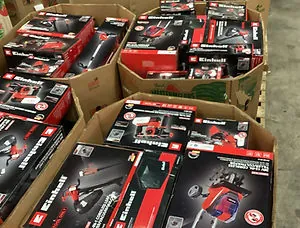
A liquidation store gets its inventory from retailers or manufacturers who need to offload merchandise fast. This could be a chain store that went bankrupt, a company with too much stock after a bad season, or a warehouse that's clearing space for new product. The stuff ends up at a discount liquidation store for pennies on the dollar, and that savings gets passed along to shoppers. Inventory is unpredictable week to week, which is half the fun and also the reason you can't go in expecting a specific item. A closeout store works a little differently, these places specialize in end-of-line products, discontinued items, and things manufacturers are no longer producing. You'll often find brand-name goods here that simply aren't being made anymore. And then there are surplus stores, which tend to carry excess government or military inventory alongside general merchandise, and they have a particular charm that's hard to describe until you've walked one. (Think old-school camping gear, industrial tools, and then somehow also a pallet of fancy candles in the same room.)
Pricing models vary a lot too. Some overstock stores use flat-rate pricing where everything in a given section costs the same price, say two dollars, five dollars, whatever the bin is marked. Others tag items with the original MSRP and show a percentage discount off that, which lets you see exactly how much you're saving. A third model, and honestly one of the more interesting ones, is a rotating markdown system where an item's price drops the longer it sits on the shelf. Walk in on day one and that blender might be ten dollars. Come back two weeks later and it could be two dollars. Or it's gone. That's the gamble.
Look up the store type online before making the trip. Search the store name plus words like "liquidation," "closeout," or "overstock" to understand what kind of inventory and pricing to expect. Knowing this ahead of time saves a wasted drive.
Bulk buyers should know that many of these places also sell pallets and lots to people who want to buy liquidation items in volume for resale. Individual shoppers get the same merchandise broken down into single units. Both options can be worth exploring depending on what you're after.
How to Search for Bargain Stores Near You
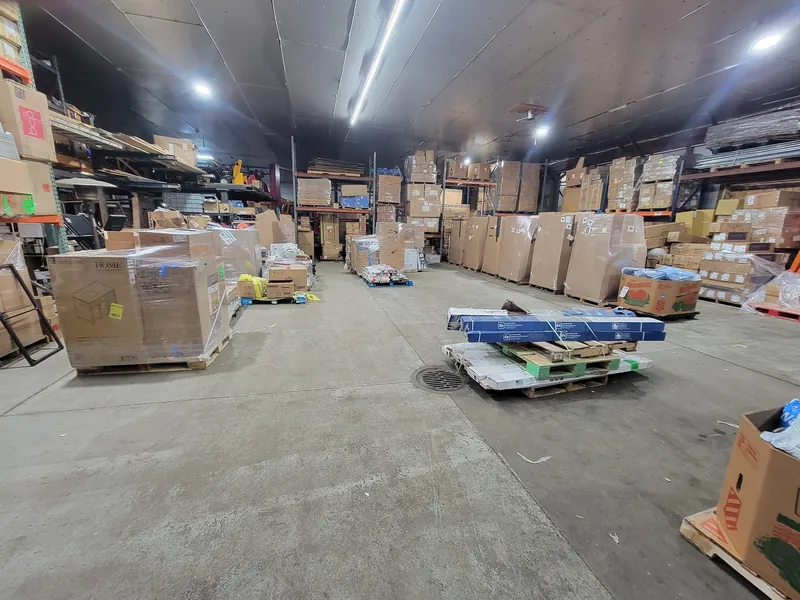
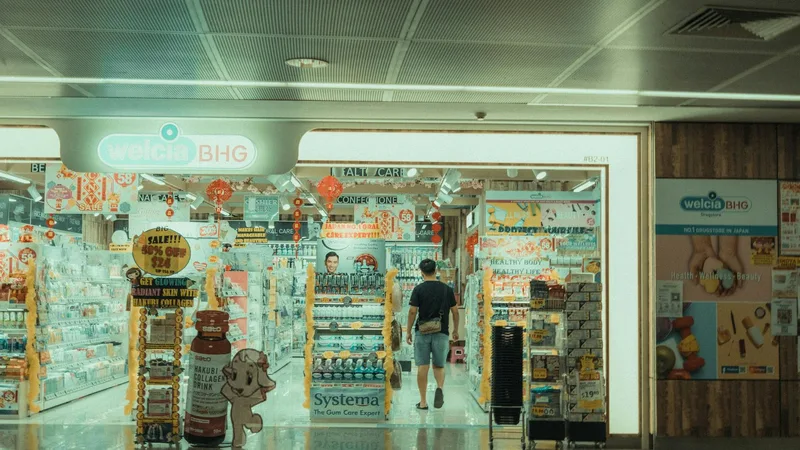
Finding a good discount liquidation store in your city takes a little more effort than finding, say, a Target. These places don't always have big marketing budgets. Many operate out of warehouse spaces or strip malls in lower-rent commercial zones, and they're not always easy to spot if you don't know where to look. But there are a few reliable methods that actually work.
Start with a dedicated business directory. Liquidation Store Pal lists verified stores with addresses, hours, contact details, and customer reviews, and you can filter by city or region to find what's close to you. This matters more than it sounds because a general Google search for "bargain store near me" will pull up all sorts of results that may not actually be liquidation or closeout stores at all. Using a directory focused specifically on this niche gets you to the right category of store faster. Cities like Indianapolis, Las Vegas, Columbus, Mooresville, and Vicksburg each have multiple listings on the directory, so if you're in or near any of those areas you've got options already lined up.
Google Maps is also genuinely useful here, not just for directions but for discovery. Search "surplus store" or "liquidation sales near me" or "discount outlet store" in the map view and zoom into commercial and warehouse districts in your city. These stores tend to cluster in industrial corridors where rent is cheap and square footage is big, so if you find one on the map, there's often another within a few blocks. Drop a pin and explore the area a bit.
And don't overlook community leads. Local Facebook groups, Reddit threads in communities like r/frugal or city-specific subreddits, and Nextdoor are all surprisingly good sources for word-of-mouth recommendations. Real people post about these finds all the time, especially when a new store opens or a great deal is on. Employees at thrift stores and flea markets are also worth asking. They usually know exactly which discount retail stores are operating nearby, and they'll often tell you which ones are worth the trip and which ones aren't.
Start with Liquidation Store Pal for verified listings, cross-reference with Google Maps to spot nearby clusters, and then check local community groups for any hidden gems that haven't made it into directories yet. You'll end up with a solid working list in under an hour.
One more thing worth knowing: a lot of people who shop at surplus stores or liquidation spots also cross over into salvage grocery shopping, which is its own whole category. If you're the type who loves a deal on food staples, browsing salvage grocery options in your area is a natural extension of the same mindset. Different type of store, same basic principle of buying good product at reduced cost because of timing or excess supply.
What to Look for When Evaluating a Bargain Store
Not every discount liquidation store is worth a repeat visit. Some are excellent. Some are chaotic in a way that's not fun. Knowing what separates a good one from a frustrating one will save you time and help you build a short list of go-to spots.
Reviews matter, and the data from Liquidation Store Pal shows what a genuinely excellent store looks like. A&R Legendary Sales, a pallet liquidation store in Delta, Ohio, holds a perfect 5.0-star rating across 114 reviews. That's not a fluke. Woocky Wholesale in Omaha has 60 reviews and a 5.0. Ohio Wholesale Liquidation Services in Columbus has 34 reviews at 5.0. Peak Stack Wholesale in Round Rock, Texas, and Haus Origins Furniture Liquidation Outlet in Vineyard, Utah, round out the top tier, both sitting at a perfect score. These businesses have earned their ratings through consistency, fair pricing, and good customer experience. Look for stores with at least 20 or more reviews before trusting the score, because a 5.0 with three reviews doesn't mean much.
Walk-in experience tells you a lot fast. Is inventory organized enough to actually browse, or is it pure chaos? Are prices clearly marked? Does staff seem to know what they carry? A store that can answer the question "did you get any new shipments this week?" is a store that's on top of its inventory and cares about repeat customers.
Return policy is a real consideration. Many of these places sell items as-is with no returns, which is standard for the industry. That's fine if you know what you're buying, but it does mean you need to inspect items more carefully before paying. Check electronics for obvious damage. Open boxes when you're allowed to. Don't assume something works just because it looks fine on the outside. Fair enough trade-off for the prices, but go in with eyes open.
- Check review count and rating together. A 4.8 with 80 reviews beats a 5.0 with 4 reviews every time.
- Look for clear pricing. Flat-rate bins, percentage-off tags, or markdown schedules should be posted visibly.
- Ask about new inventory days. Many stores restock on specific days of the week.
- Inspect before buying. As-is sales are common at closeout and overstock stores.
- Note the store size and organization. Bigger isn't always better, but a well-organized store saves you time.
A well-run closeout store will also have some kind of system for moving old inventory, whether that's a markdown schedule, a clearance section, or regular pallet sales. Stores that let merchandise sit indefinitely tend to get stale fast, and you'll notice the same items week after week. Freshness of inventory is actually one of the best signals that a store is doing solid business.
Getting the Most Out of Every Bargain Shopping Trip
Finding the store is step one. Actually getting value out of it takes a bit of strategy, especially if you're new to this type of shopping.
Go in without a specific shopping list, at least at first. That sounds counterintuitive, but bargain stores reward flexibility. You're not going to find exactly the brand or model you had in mind. You might find something better, or something completely different that solves the same problem for a fraction of the cost. Shoppers who walk in rigid tend to walk out disappointed. Shoppers who browse openly tend to find things they didn't know they needed.
That said, knowing your price benchmarks matters. Before a trip to an overstock store or surplus store, spend five minutes checking Amazon or Walmart prices on the categories of stuff you generally buy. Furniture, small appliances, cleaning supplies, seasonal goods. Then when you're in the store and you see a vacuum for thirty dollars, you'll know immediately whether that's a deal or just a mediocre discount on something already cheap. Without that mental benchmark, it's easy to get excited about "60% off" when the item wasn't worth full price to begin with.
Before each trip, check retail prices on 3-5 product categories you're likely to encounter. Furniture, small appliances, tools, and household goods are common at liquidation stores. Knowing real market prices turns browsing into smart buying.
Bring cash or check the store's payment policy before you go. Some smaller discount retail stores don't take cards, or they charge a fee for card payments. Not worth being caught off guard when you've already found something worth buying.
Regulars win at this game. Seriously. Shoppers who visit a good store weekly or bi-weekly learn when new stock arrives, they build rapport with staff who sometimes give heads-up about incoming pallets, and they develop a feel for what prices are good versus okay. It's the kind of advantage that only comes from showing up repeatedly. One visit might yield nothing useful. Ten visits to the same store builds real knowledge about how that store works.
If you're also someone who buys food in bulk or loves a deal on pantry staples, it's worth knowing that salvage grocery stores operate on a very similar model to closeout and overstock retailers, just applied to food. Salvage grocery stores carry surplus, discontinued, and near-date food products at steep discounts, and pairing that kind of shopping with a regular run to a discount liquidation store can meaningfully cut your monthly spending across both food and household goods.
Frequently Asked Questions
What is the difference between a liquidation store and a closeout store?
A liquidation store gets inventory from retailers or businesses that need to offload merchandise quickly, often due to bankruptcy, overstock, or store closures. A closeout store specializes in discontinued or end-of-line products from manufacturers. Both offer steep discounts, but the source and consistency of inventory differ. Liquidation stores tend to be more unpredictable week to week, while closeout stores may carry specific brand categories more regularly.
Are liquidation stores worth it?
Yes, if you go in with realistic expectations. You won't always find what you're looking for, but the average rating of 4.4 stars across 211 stores in the Liquidation Store Pal directory suggests most customers leave satisfied. Top-rated stores like A&R Legendary Sales in Delta, OH (5.0 stars, 114 reviews) and Woocky Wholesale in Omaha, NE (5.0 stars, 60 reviews) show that high-quality experiences are genuinely possible at these kinds of stores.
How do I find liquidation sales near me?
Use a dedicated directory like Liquidation Store Pal to find verified listings in your city. Supplement with Google Maps searches using terms like "surplus store," "discount outlet store," or "overstock store" plus your city name. Local Facebook groups and community forums are also good for word-of-mouth recommendations on stores that might not appear in standard directories.
Can I buy liquidation items in bulk?
Many liquidation and surplus stores sell pallets or lots to bulk buyers alongside individual items for regular shoppers. If you're interested in buying liquidation items wholesale for resale, ask the store directly about pallet availability. Some stores list this information on their website or directory profile.
What should I look out for at discount stores?
Check return policies before buying, since most sell items as-is. Inspect products for damage before paying. Know your retail price benchmarks so you can judge whether a deal is actually a deal. And check review counts, not just star ratings, when evaluating a store's reputation.
Are there bargain stores in smaller cities?
Yes. Cities like Vicksburg, Mooresville, and Columbus each appear in the Liquidation Store Pal directory with multiple listings, showing that these stores exist well beyond major metro areas. Smaller cities often have surplus or closeout stores operating in commercial or light-industrial zones that don't get much foot traffic but are worth seeking out.
More Ways to Save
Find Bargain Stores Near You on Liquidation Store Pal
Browse our directory of 211+ verified discount liquidation stores, closeout stores, surplus stores, and overstock retailers. Filter by city, read real customer reviews, and find your next great deal.
Search the Directory