Inside the Inspection Process That Keeps Liquidation Merchandise Worth Buying

You pull a box off the shelf, shake it, and something rattles inside that probably shouldn't. The price is right, but is it actually worth anything? That moment of uncertainty is exactly what quality assurance checks are designed to reduce, both for you and for every other person walking through the door.

Liquidation stores operate differently from standard retail. Products come from overstock, returns, closeouts, and shelf pulls, which means the condition of any given item can vary more than it would at a traditional store. That variability is part of the appeal, honestly. But it also means that without some kind of regular inspection process, a liquidation store can slide from "great deals" into "buyer beware" territory pretty quickly.
What Actually Goes Wrong Without Regular Checks
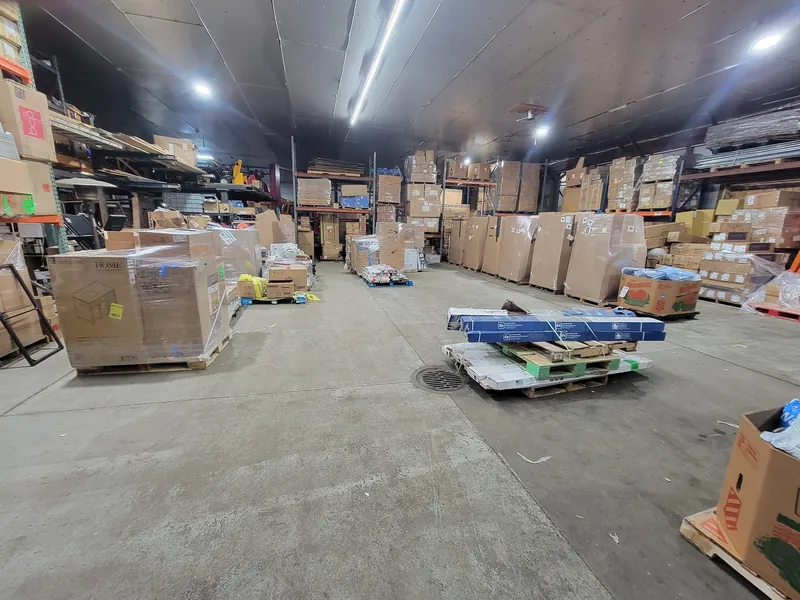
Walk into a liquidation store that doesn't do quality checks and you'll often notice it before you even look at the merchandise. Boxes stacked haphazardly, items with missing components shelved alongside complete units, no clear way to tell what's been tested and what hasn't. It feels like a gamble, and not a fun one.
The real problem isn't that a single bad item slips through. That happens everywhere. In practice, the problem is when a store accumulates merchandise it hasn't actually evaluated, because returns and overstock keep arriving faster than staff can sort through it. You end up with a floor full of products that look fine but may be missing parts, damaged internally, or simply non-functional. And because liquidation pricing is already low, some stores assume buyers will just accept that risk.
Most buyers don't accept it quietly. They stop coming back.
Across the 247+ verified listings in the Liquidation Store Pal directory, stores that score lower in user ratings almost always have reviews mentioning inconsistent product condition. Not price. Not selection. Condition. That tells you something real about what shoppers actually care about once they're through the door.
Broken seals on electronics. Missing hardware in furniture flat-packs. Clothing with damage tags removed. These are specific, recurring complaints that quality checks catch when they're actually happening on a schedule.
What a Quality Assurance Check Looks Like in Practice
It's not as complicated as it sounds. A real inspection process at a liquidation store usually involves a few consistent steps: sorting incoming merchandise by condition category, opening and spot-checking a sample of units from each lot, flagging items that are incomplete or visibly damaged, and pricing accordingly rather than shelving everything at the same flat rate.
Good stores do not just inspect once when a shipment arrives. They re-check merchandise that's been on the floor for a while, because products get handled, opened, and sometimes partially picked through by other customers. A box that arrived complete can end up incomplete after a week on the shelf. That second pass matters.
Honestly, the pricing transparency piece is underrated. A store that marks "missing remote" or "tested, powers on" on a label is telling you something valuable. That label is proof that someone actually looked at the item. No label, no note? That's a different kind of signal.
Actionable things to look for when you're evaluating a store's quality practices:
- Check whether items are sorted by condition grade (like Grade A, B, or "as-is") rather than all lumped together at one price.
- Ask a staff member if they test electronics before putting them out. A store with real checks will have a straightforward answer.
- Look at how damaged or incomplete items are handled. Are they discounted further and labeled clearly, or just mixed in with everything else?
Why the Directory's Inspection Standard Raises the Bar
Liquidation Store Pal's verified listings aren't just a headcount. Stores in the directory are subject to regular inspections that confirm they're maintaining acceptable merchandise quality, not just on the day they applied, but on an ongoing basis. That's a meaningful distinction.
An average rating of 4.4 stars across the directory doesn't happen by accident. Stores that consistently pass quality checks tend to earn better reviews, retain repeat customers, and generate the kind of word-of-mouth that matters in a local market. It's a straightforward chain of cause and effect.
And here's a small thing worth noticing: stores that take quality checks seriously usually look different inside. Aisles are cleaner. Products are grouped more logically. You're less likely to find a random single shoe sitting on a shelf next to a set of dishes. That organizational coherence is often a byproduct of having staff who are trained to actually look at what they're putting out.
Stores that pass inspections consistently are the ones worth returning to, even if a specific trip doesn't yield a great find. Trust builds over time, and it builds because the standard is maintained.
How to Use This Information When You're Deciding Where to Shop
Start with ratings, but don't stop there. A 4-star store with 200 reviews is a much more reliable signal than a 5-star store with 6 reviews. Volume matters when you're reading user feedback on liquidation stores, because the sample size tells you whether the quality is consistent or just occasionally good.
Read the recent reviews specifically. Quality at a liquidation store can shift when management changes, when supplier relationships change, or even just when staffing gets thin. A store that was great two years ago might not be holding to the same standard now. Recent feedback tells you where things actually stand.
Wait, that's not quite the full picture. Ratings alone won't tell you what category of merchandise a store specializes in, and quality checks apply differently depending on what's being sold. Electronics require functional testing. Clothing needs condition grading. Hardware and tools need completeness checks. A store that does excellent quality control on clothing might not have the same process for electronics. Look for stores whose quality reputation matches the type of product you're actually shopping for.
Practical steps before your next visit:
- Filter your search on Liquidation Store Pal by rating and check whether recent reviews mention product condition specifically.
- If you're buying electronics or anything with components, call ahead and ask whether items are tested before going on the floor. It's a reasonable question and a good store won't be put off by it.
- Give extra credit to stores that clearly label damaged or incomplete items at a separate price point. That transparency is worth something.
Quality assurance checks aren't a guarantee that every item you pick up will be perfect. Nothing in liquidation retail is. But they're