Liquidation Prices Look Cheap Until You Check What They're Actually Worth

Picture this: you're standing in a liquidation store, holding a blender with a bright orange tag that reads $18. Feels like a steal. You toss it in the cart without a second thought, and it's only later, scrolling through your phone at home, that you find the exact same model on clearance at a big-box retailer for $14. That small gap adds up fast when you're buying six or seven items in one trip.

Liquidation stores genuinely do offer strong value. But "strong value" is not automatic. It's something you confirm, not assume.
Why Liquidation Pricing Is Not Always What It Seems
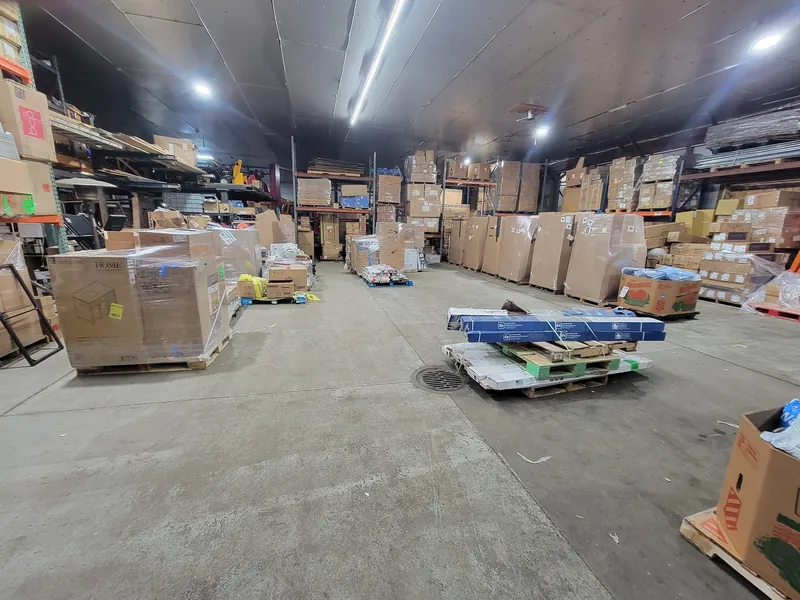
Most liquidation stores price by the pallet or the lot. Individual items get tagged quickly, sometimes without anyone checking what that item actually sells for elsewhere. So you'll occasionally find a $9 item that's a genuine score, and right next to it, a $22 item that's cheaper on Amazon. Both have the same handwritten sticker energy. Neither announces which is which.
Honestly, that's just how these places work, and there's nothing sinister about it. It's a volume business.
Before you walk into any store listed on Liquidation Store Pal, spend five minutes doing a quick benchmark. Pull up Google Shopping or a price-comparison site and search for two or three of the specific items you're hoping to find. Write down the regular retail price and the current lowest price you can find online. That number becomes your anchor. Anything at the liquidation store priced below that anchor is worth picking up. Anything priced above it, you leave on the shelf.
One more thing to watch: condition matters when comparing. A liquidation store might sell an item at $15 that retails for $30 new, which sounds great, until you notice the box is open and a part is missing. Factor condition into your price comparison, not just the sticker.
What to Check While You're Actually in the Store
You do not need a complicated system. Your phone is enough.
Scan the barcode with Google Lens or the Amazon app. Both will pull up the product and show you current prices across multiple sellers in about four seconds. For smaller electronics, kitchen appliances, and name-brand tools, this works almost every time. For generic or store-brand items, you may need to search manually by product description instead.
Something I noticed on a recent visit to a liquidation store: pricing labels are sometimes stuck directly over the original retail price tag. Peel carefully at the corner before you scan, because that original price gives you an instant reference point without even needing your phone. Some stores use that retail price as their baseline for discounting, so seeing it helps you judge whether the markdown is real or just cosmetic.
With 247+ verified listings on Liquidation Store Pal, each rated by real visitors, you can also check store reviews before you go to get a sense of whether a particular location tends to price fairly. Stores with ratings near the directory average of 4.4 stars often get specific praise in reviews for honest pricing. That's useful pre-trip research that takes two minutes.
Building a Simple Comparison Habit Over Time
The first few times you compare prices in a liquidation store, it feels slow. You're stopping to scan every third item. But after a few visits, you start to develop a rough mental catalog of what things actually cost. You stop second-guessing $8 dish soap but immediately flag a $45 air fryer for a quick check.
Keep a note on your phone with "floor prices" for the categories you buy most often. If you regularly pick up cleaning supplies, small kitchen gadgets, or kids' toys at these places, just jot down the lowest prices you've confirmed for common items. That list gets more useful every time you add to it.
And here is something worth saying plainly: you will sometimes find that a liquidation store is not the cheapest option for a specific item. That's fine. Buy what makes sense, leave what doesn't, and do not feel obligated to spend just because you made the trip. The stores worth returning to are the ones where your comparison checks keep coming back in their favor.
Putting It Together Before Your Next Visit
Good comparison shopping at a liquidation store is not about being skeptical. It's about being informed enough to recognize a real deal when you see one. Those moments do happen, and they happen often enough to make the habit worthwhile.
Before you go: benchmark two or three target items at home. In the store: scan barcodes, check condition, and peel back labels when you can. After a few visits: build your personal price list for the categories you care about most.
In practice, the stores in the Liquidation Store Pal directory are there because they've been verified and reviewed. Your job is simply to show up knowing what things are worth. Do that, and the good deals stop feeling like luck.