Stop Guessing and Start Knowing What That Price Tag Is Actually Worth

Picture this: you're holding a blender at a liquidation store. The tag says $18. Feels like a deal. You grab it, pay, drive home, and then your partner pulls it up on Amazon for $14.99 with free shipping. That specific sting, right there, is exactly what a quick price check before you walk in the door can prevent.

Liquidation stores move fast. Inventory changes weekly, sometimes daily. And because the pricing model is different from a regular retailer, there is no shelf tag telling you what it "normally" sells for. That job falls to you.
Why Price Research Hits Different at Liquidation Stores
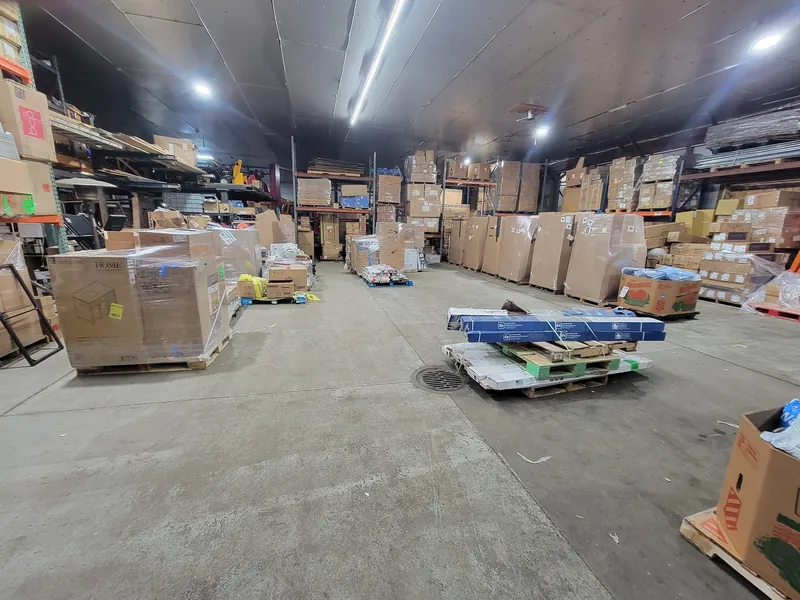
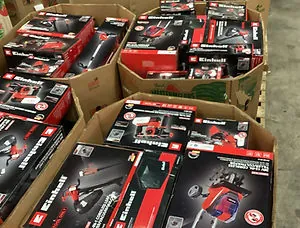
At a standard retail store, the original price is printed right there. You know what you're saving. Liquidation stores don't work that way. Products arrive in pallets from returns, overstock, closeouts, and discontinued lines. The store prices them based on what they paid, not what the item originally retailed for.
That creates real opportunity. Seriously, a $60 item priced at $15 is not uncommon. But it also means you can't assume every low number is a bargain. Some items get priced at liquidation stores for more than their current market value, especially electronics where the model might be outdated or the category has dropped in price since the unit was manufactured.
A few minutes on Google, Amazon, or even eBay's "sold listings" filter gives you an actual market price. Not a suggested retail price from three years ago. What things are selling for right now, today.
Checking sold listings on eBay is underrated for this. Completed sales show what buyers actually paid, not just what sellers are asking.
Build a Simple Pre-Visit Routine
You do not need a spreadsheet or a complicated system. A basic routine takes maybe ten minutes the night before or in the car before you go in.
Start with your category. If you know a liquidation store in your area tends to carry kitchen goods, tools, or baby items, run a quick search on Amazon for the types of products you're hoping to find. Get a ballpark for what those items cost new. Then note a few brand names common in that category. KitchenAid, Dewalt, Graco. Having those names in your head helps you move fast on the floor without second-guessing every label.
When you're actually in the store, use your phone. Most liquidation stores do not mind. Scan a barcode or just type the product name into Amazon or Google Shopping. Takes about 20 seconds per item.
One thing that catches people off guard: condition matters a lot for pricing. A returned item might be fully functional or it might be missing a part. Check the box. Open it if the store allows. A $20 item that's missing the power cable isn't a $20 item anymore.
With 247+ verified listings on Liquidation Store Pal, covering a wide range of store types and locations, you can also read through store reviews before you visit. Other people sometimes mention what kinds of products they found and whether the prices were competitive. That context is genuinely useful.
What to Actually Compare (and What to Skip)
Not every item deserves a full price check. Clothing, for example, is usually priced low enough at liquidation stores that comparison shopping isn't worth the time unless it's a specific brand you know well. Generic household supplies, same thing.
Focus your research energy on items over $15 or so, and especially on electronics, appliances, tools, and name-brand goods. Those categories have clear market prices and the savings, or lack of savings, are big enough to matter.
For electronics, always check the model number specifically. A 2019 model of a popular smart TV might look like a deal at $120 until you see that the current version is $140 and includes features the older one doesn't have. Not a bad deal, necessarily, but worth knowing before you load it into your cart.
Wait, that is not quite right, it's not just about features. Older electronics also have shorter remaining software support windows, which matters for smart devices. Add that to your mental checklist.
Toys and games are another category worth checking. Prices fluctuate a lot, especially around seasons, and a board game priced at $22 might be available new for $18 on a retailer's clearance section. These places sometimes overprice popular games without realizing the market has already moved.
Turn Price Knowledge Into Buying Confidence
Knowing prices doesn't just save money. It also takes the hesitation out of buying. When you know a $35 price tag represents a 60% discount off current market value, you don't stand there debating it for five minutes. You grab it.
That confidence matters more than it sounds. Good inventory at liquidation stores moves fast. Other shoppers are walking the same aisle. An item you've already mentally vetted is an item you can act on immediately.
Price research also helps you set a budget that's actually useful. Instead of walking in with a vague "I'll spend around $50," you can walk in knowing that if you find a Dewalt drill at under $40 or a cast iron skillet under $15, those are clear buys. You've done the math in advance.
One more thing worth mentioning: the parking lots at busier liquidation stores can be a useful signal. A full lot on a weekday morning usually means fresh inventory just hit the floor. That's when prices are most likely to be set quickly and when the best items are still available. Combining that timing with your price research is a genuinely good strategy.
I would rather spend ten minutes on my phone the night before than spend $40 on something I could have bought online for half the price. That trade-off is always worth it.
Frequently Asked Questions
- What's the best app for quick price checks at a liquidation store? Amazon's app lets you scan barcodes directly, which is fast and accurate for most consumer goods. Google Shopping works well for items without intact barcodes since you can search by description.
- Should I compare to new prices or used prices? Both. If the item is open-box or clearly used, compare it to used prices on eBay's sold listings. If it's sealed and new, compare to current retail.
- Are liquidation store prices negotiable? Sometimes, especially on damaged items or things that have
More Ways to Save