The Best Deals Are Already Gone by Noon — Here's Why Your Clock Matters

The Problem Nobody Talks About: Empty Shelves Before Lunch
247 verified liquidation store listings across our directory, and the single complaint that shows up most often in reviews is not about prices or product condition. It's about arriving too late. Shoppers describe walking in mid-afternoon and finding picked-over shelves, cracked-open pallets with nothing left worth buying, and that particular frustration of seeing an empty spot where something clearly used to be.

This is not bad luck. It's timing.
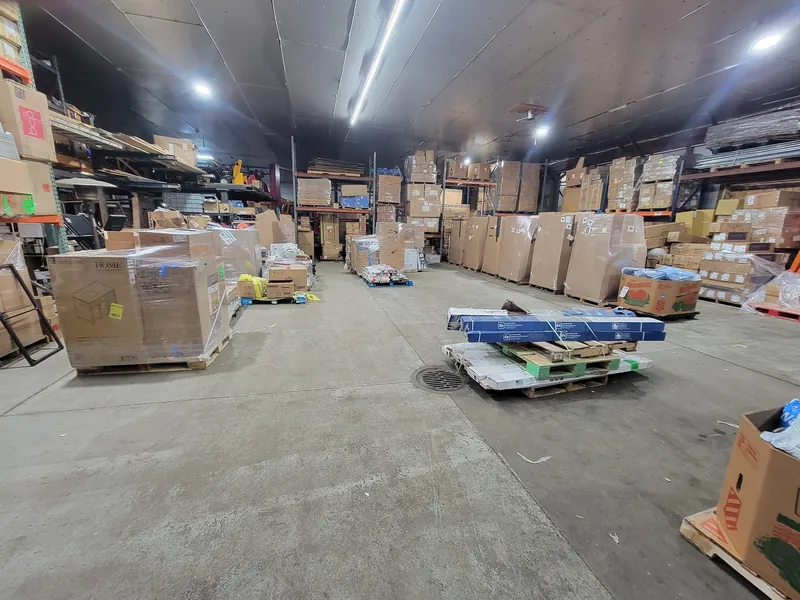
Liquidation stores operate on a fundamentally different rhythm than a regular retailer. There's no replenishment cycle that quietly refills the shelf overnight. What comes in is what there is, and once it's gone, it's gone. A pallet of overstock kitchen appliances, a box lot of name-brand tools, a rack of returned clothing, those move fast. Really fast. The regulars know this, and they plan around it.
And honestly, "the regulars" is worth thinking about. Every busy liquidation store has a small group of people who show up at the same time, on the same days, almost every week. They're not there because they have nothing else to do. They're there because they've figured out that timing is half the strategy.
Why Liquidation Stock Moves So Quickly
Most people underestimate how much inventory can turn over in a single morning at a liquidation store. These places buy in bulk from retailers, manufacturers, and warehouse closeouts. A single truckload might contain 200 to 400 individual items. Sounds like a lot. But a busy store with a loyal customer base can move a significant chunk of that within two or three hours of opening.
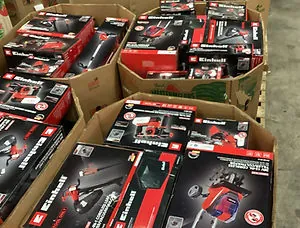
Prices are the obvious reason. Liquidation stores routinely sell items at 30%, 50%, even 70% below what you'd pay retail. At those prices, hesitation is expensive. Someone who walks in at 9 a.m. and sees a box of brand-name power tools at 60% off is not going to leave to think about it. They're buying it right then.
Add in the fact that many stores do not restock shelves throughout the day. New merchandise comes in by pallet or truckload, and it often gets put out all at once, usually in the morning before or right after opening. Come in at 2 p.m. and you're shopping what's left after the morning crowd went through everything.
Worth noting: some of the highest-rated stores in our directory, the ones averaging close to that 4.4-star mark, specifically mention in their store policies when new shipments arrive. That information is there if you look for it.
What Actually Works: Practical Timing Strategies
Go early. That's the short version. But let's be more specific about what "early" means and how to make it work.
First, find out when the store opens and plan to be there within the first 30 minutes. Not an hour later. Not "sometime in the morning." Within the first half hour. This is when the freshest merchandise is out, the best items haven't been picked through, and you have the most time to look through everything properly before the mid-morning rush hits.
Second, ask about shipment schedules. This feels awkward the first time you do it, but staff at liquidation stores are usually pretty direct about this. Ask something simple: "Do you have certain days when new stock comes in?" Most stores receive shipments on a predictable schedule, often two or three times a week. If you can align your visit with the day after a big delivery, you're working with maximum selection.
Some stores get deliveries overnight and put everything out first thing in the morning. Others receive a truck mid-week and spend the afternoon sorting before putting items on the floor the next day. Once you know the pattern for a specific store, you can time your visits almost surgically.
Also: weekdays beat weekends, almost without exception. Saturday morning at a liquidation store can feel like a sprint. Weekday mornings, especially Tuesday through Thursday, tend to be calmer and more productive.
Making This Work Across Multiple Stores
One store is good. Rotating between two or three is better.
With 247+ verified listings on Liquidation Store Pal, there's a real opportunity to build a small circuit of stores you visit on a rotating basis. Each store has its own shipment schedule, its own specialty areas, and its own rhythm. Once you've visited a few times and figured out the timing, you can plan a week where you hit Store A on Tuesday morning (their truck day), Store B on Thursday right at open, and so on.
This sounds like a lot of coordination. It really isn't. After two or three visits to any given store, you start to notice patterns without even trying. The parking lot at one store I visited was always packed by 10 a.m. but nearly empty at 8:30. That's not a coincidence; that's the window.
Wait, I should clarify something here: this strategy works best if you're flexible about what you're looking for. If you absolutely need a specific item on a specific day, liquidation stores are probably not your best option regardless of timing. But if you're open to deals across categories, and most regular shoppers are, timing your visits gives you a huge advantage over the people who just wander in whenever.
Use the store ratings and reviews on the directory to get a sense of how busy a location tends to be. Stores with high review volume and strong ratings are popular for a reason, but popular also means competitive. Budget extra time for those, and get there earlier than you think you need to.
Early visits, shipment awareness, and a loose rotation between a few good stores. That combination works better than any other approach for getting real value out of liquidation shopping.
Frequently Asked Questions
- How early should I arrive at a liquidation store? Aim for within 30 minutes of opening. That window is when selection is best and competition is lowest.
- How do I find out when a store gets new shipments? Just ask. Most staff are happy to share this, and some stores post it on a sign near the entrance or on their social media.
- Are weekends worth it? You can find deals on weekends, but expect more competition and more picked-over shelves. Weekday mornings are almost always better.
- What if I can't go in the morning?
More Ways to Save